Cyber Monday hits your inbox hard. Dozens of apps and services you already use will dangle 40-60% off their annual plans. The discount feels urgent, and the math looks obvious. But an annual subscription deal is only worth it if you’ll still want the service next October. Before you hand over a lump sum, a few minutes of honest math can separate a smart move from a quiet waste of money.
Monthly vs. annual: the real break-even
Most subscription services price their annual plan at roughly 8-10 months of the monthly rate. That means you need to use the service for at least 9 or 10 months before the annual price actually saves you anything. Cancel at month five, and you’ve paid more per month of use than if you’d stayed monthly.
Here’s how the math shakes out for a typical app:
| Plan | Monthly cost | 12-month total | Break-even month |
|---|---|---|---|
| Monthly | $14.99 | $179.88 | N/A |
| Annual (regular) | $9.99/mo ($119.88/yr) | $119.88 | Month 8 |
| Annual (Cyber Monday 50% off) | $4.99/mo ($59.88/yr) | $59.88 | Month 4 |
A Cyber Monday discount can pull that break-even point forward dramatically. At 50% off, you recoup your money by month four. That’s a real advantage, but only if two things are true:
- You’ve used the service consistently for at least three months already.
- Nothing about your life is about to change in a way that makes the service irrelevant (moving, switching jobs, dropping a hobby).
If you signed up for a meal-planning app two weeks ago and haven’t opened it since Tuesday, a discounted annual deal isn’t a bargain. It’s a prepayment for guilt. Stick with monthly until you’ve proven the habit to yourself.
Deals that renew at full price
The steepest Cyber Monday discounts come with a catch: they’re introductory. Your first year might cost $49. Your second year quietly jumps to $129. The company isn’t hiding this, but they’re not exactly shouting about it either. The renewal price is usually buried in the terms below the checkout button.
How to spot the renewal trap
Check three things before you buy:
- Look for language like “renews at regular price” or “introductory rate” on the checkout page.
- Search the service’s pricing page for the standard annual cost. Compare it to what you’re paying now.
- Read the cancellation policy. Some services require 30 days’ notice before renewal, or they charge you automatically.
A worked example
Say a cloud storage plan normally costs $119.88/year. Cyber Monday drops it to $59.94 for year one. You save $59.94 the first year. But if you forget to cancel or renegotiate before month 13, you’re locked into $119.88 for year two. Over 24 months, your total is $179.82, which averages out to $7.49/month. The monthly plan at $12.99 would have cost $311.76 over the same period, so you still save. But the savings are smaller than the Cyber Monday ad implied.
The point isn’t to avoid these deals. It’s to know the real two-year cost before you commit to the first-year price.
Putting the renewal date on your calendar now
You just saved $60 on an annual plan. Great. Now protect that win. Set a reminder 30 days before your renewal date. Not a vague mental note. An actual calendar event with a specific action attached to it.
What your reminder should say
A good reminder includes three pieces of information:
- The name of the service and the amount it will renew at.
- The exact cancellation deadline (some require 14 days, others 30).
- A one-sentence decision prompt: “Still using this weekly? If yes, look for a new discount code. If no, cancel today.”
That last part matters. A reminder that just says “Spotify renews” doesn’t prompt a decision. You’ll dismiss it and forget.
Where to track renewal dates
A spreadsheet works. So does a notes app. If you use Amppfy, the subscriptions list shows your next charge date for each service, which makes the weekly check-in a natural time to glance at what’s coming up. Whatever tool you pick, the key is one list in one place. Scattering renewal dates across three apps guarantees you’ll miss one.
The 10 minutes you spend setting reminders today will save you from paying full price on autopilot next November.
Which subscriptions to lock in and which to leave monthly
Not every subscription deserves a year of commitment. The right choice depends on how predictable your usage is and how stable the service’s pricing tends to be.
Lock in annually
- Subscriptions you use daily or near-daily (music streaming, cloud storage, a password manager).
- Services with a track record of raising monthly prices but honoring locked annual rates.
- Tools tied to ongoing projects: a design app for your side business, a learning platform you’re halfway through.
Keep monthly
- Anything you use seasonally. A fitness app you drop every summer isn’t worth 12 months of prepayment.
- Services you’ve had for less than 90 days. You haven’t proven the habit yet.
- Entertainment subscriptions you rotate. Many households cycle between two or three streaming services, watching one for a couple of months and then switching. Monthly billing supports that strategy. Annual billing fights it.
Here’s a quick decision table:
| Signal | Go annual | Stay monthly |
|---|---|---|
| Usage frequency | Daily or weekly | A few times a month or less |
| Time with service | 3+ months | Under 90 days |
| Seasonal pattern | Year-round | Drops off for months at a time |
| Discount depth | 40%+ off | Under 20% off |
| Renewal price known | Yes, and it’s acceptable | Unknown or much higher |
A 15% discount on something you’ll cancel in four months isn’t a deal. A 50% discount on something you use every morning is.
A quick check before you pay for a year
Before you enter your card number, run through this short list. It takes about two minutes and can save you from a purchase you’ll regret by March.
- Open the app or service right now. When was your last login? If it’s been more than two weeks, pause.
- Calculate the true monthly cost of the annual plan, including the renewal price for year two. Divide total two-year cost by 24.
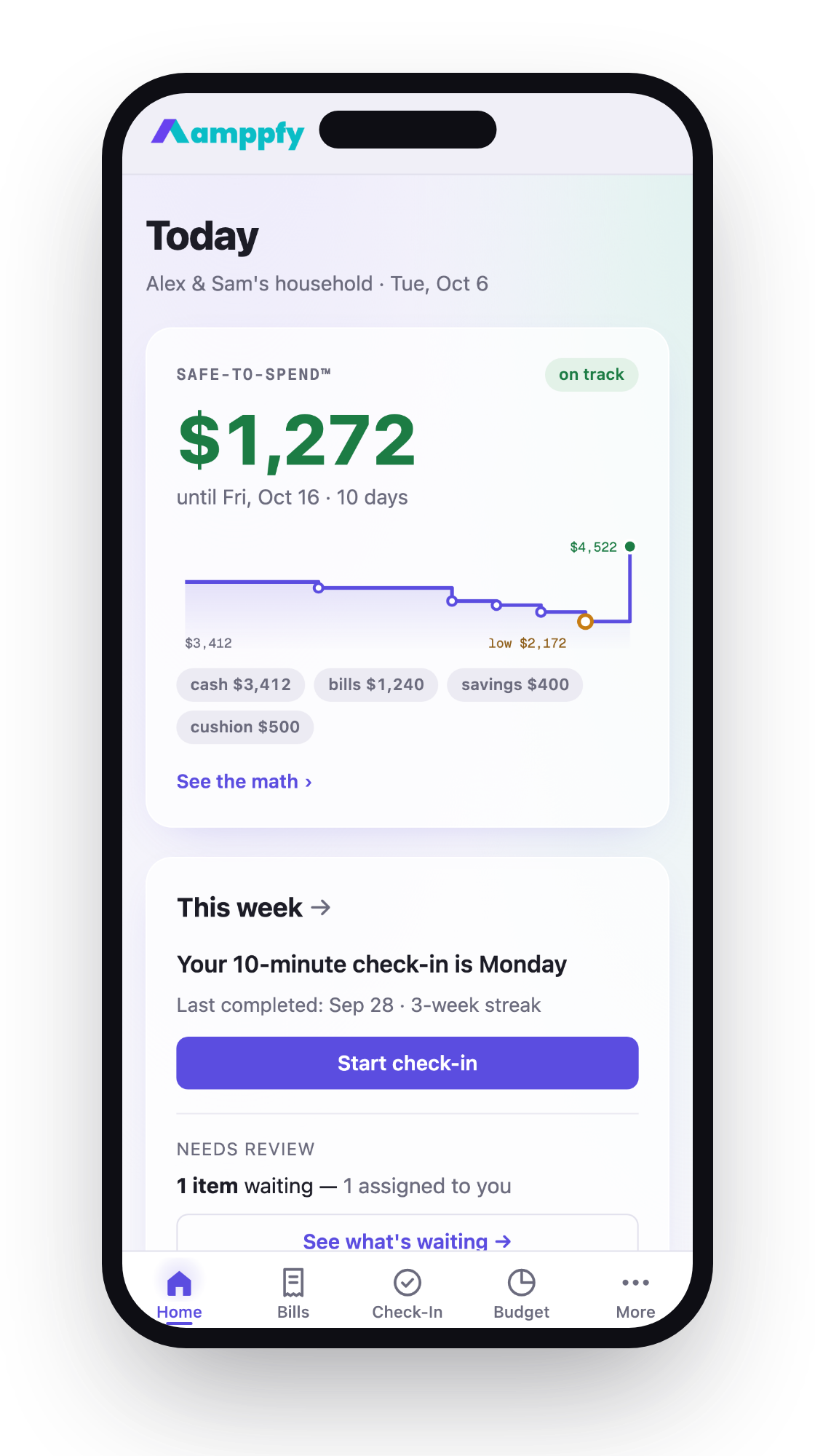
- Check your cash flow. A $120 annual charge today means $120 less in your checking account this week. If that drops your available cash below your comfort zone, the monthly plan might be smarter even if it costs more over time. A quick look at your Safe-to-Spend™ number tells you whether the lump sum fits without squeezing your next few weeks.
- Ask yourself: if this service disappeared tomorrow, would you go find a replacement, or would you shrug? The shrug test is surprisingly reliable.
- Set the calendar reminder before you check out. Not after. If you tell yourself you’ll do it later, you won’t.
That’s the whole process. Five steps, two minutes. You’ll either feel confident about the purchase or you’ll close the tab, and both outcomes are good ones.
Frequently asked questions about annual subscription deals
Is an annual subscription deal worth it if I’m not sure I’ll use the service all year?
Probably not. The savings from an annual plan only materialize if you use the service past the break-even point, which is typically month 8-10 at regular pricing or month 4-5 with a Cyber Monday discount. If you’re uncertain, stay monthly for another quarter. You can always switch to annual later, and many services run smaller sales throughout the year.
Do Cyber Monday subscription discounts apply to existing subscribers?
It depends on the company. Some extend the deal to current monthly subscribers who switch to annual. Others restrict it to new accounts. Check the fine print, and if the deal is new-customer-only, contact support. Many companies will match the offer rather than lose you. The worst they can say is no.
What happens if I cancel an annual subscription before it expires?
Most services let you cancel anytime, but you won’t get a prorated refund for unused months. You’ll keep access until the end of your paid period. A few companies, especially smaller SaaS tools, do offer partial refunds. Read the refund policy before purchasing. If there’s no refund option and you’re unsure about the service, that’s another reason to stay monthly.
How many annual subscriptions is too many?
There’s no universal number, but the real question is whether you know the total. According to a 2025 C+R Research survey, the average American underestimates their monthly subscription spending by roughly 2.5 times. Add up every annual charge, divide by 12, and look at that monthly number. If it surprises you, you’re carrying too many. Listing them all in one place, whether a spreadsheet or an app like Amppfy with its subscriptions tracker, makes the total impossible to ignore.
Make Cyber Monday work for next year, too
The best annual deal is one you planned for, not one you grabbed in a panic at 11:58 p.m. Know your break-even month, know the renewal price, and set reminders before you check out. That combination turns a flashy discount into actual savings you’ll still feel next November.
If you want a clear picture of whether a lump-sum charge fits your cash flow right now, get Amppfy free. Enter your balances, bills, and payday once, about ten minutes, and you’ll see your Safe-to-Spend™ number before your next paycheck. It’s a quick way to know whether that annual plan is a smart move or a squeeze.