Someone Just Sent You a Check You Weren’t Expecting: Here’s Why That’s a Problem
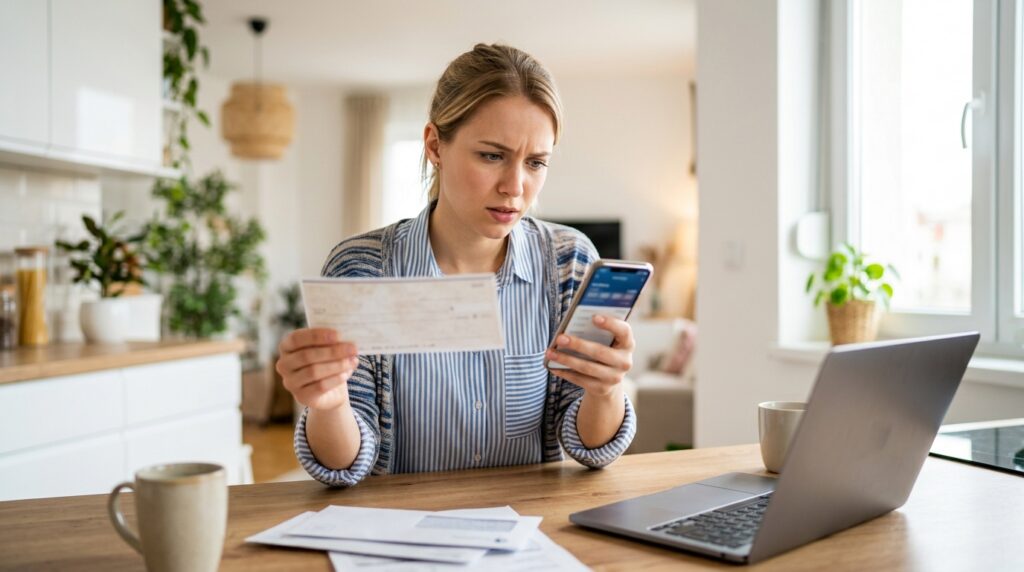
You get a check in the mail or via a message. It looks real, it’s made out to you, and the amount is more than you expected. Your first instinct? Deposit it. Your second instinct should be to stop and think, because fake check scams have cost Americans hundreds of millions of dollars, and the person left holding the bag is almost always the one who deposited it.
If you’re new to banking or just haven’t encountered this kind of fraud before, this guide breaks down exactly how these scams work, why your bank won’t protect you the way you’d expect, and what to do if you’ve already fallen for one.
Why Fake Checks Still Fool Smart People in 2026
You might assume fake checks are a relic of the early 2000s. They’re not. The FTC receives tens of thousands of reports about check fraud every year, and the median loss per victim hovers around $2,000. Younger adults (ages 20-29) report these scams more often than older age groups, likely because they’re targeted through online job boards, social media marketplaces, and gig platforms.
The reason these scams persist is simple: most people don’t understand how check processing actually works. There’s a gap between when your bank makes funds “available” and when the check actually clears. Scammers exploit that gap ruthlessly.
» Protect yourself from predatory lenders and avoid costly scams: How To Avoid Predatory Lenders And Spot Scams
How Check Processing Actually Works (And Why It Matters)
Here’s the part most people get wrong. When you deposit a check, your bank typically makes some or all of the funds available within one to two business days. You see the money in your account and assume the check is legitimate. Reasonable assumption, right?
Wrong. That availability is basically your bank extending you credit based on the assumption that the check is good. The actual verification process, in which your bank contacts the issuing bank to confirm that the funds exist, can take days or even weeks. Sometimes it takes up to 6 weeks for a fraudulent check to bounce.
|
What You See |
What’s Actually Happening |
|---|---|
|
Funds appear in your account (1-2 days) |
Bank provisionally credits your account |
|
You spend or send the money |
The check is still being verified with the issuing bank |
|
Check bounces (days to weeks later) |
Bank reverses the deposit and debits your account |
|
You owe the bank the full amount |
This timing mismatch is the engine of fake-check fraud. The scammer is counting on you to act during that window when the money looks real but isn’t confirmed.
» Avoid returned deposit fees by knowing what happens when a check bounces: Returned Deposit Fees Explained What Happens When Check Bounces After Deposit
The Anatomy of a Fake Check Scam: Five Common Setups
Scammers aren’t using just one playbook. Here are the most common scenarios where fake checks show up:
-
Overpayment scams: Someone “buys” something you’re selling online, sends a check for more than the asking price, and asks you to wire back the difference. The check bounces. The wire transfer doesn’t.
-
Mystery shopper jobs: You’re “hired” to evaluate a money transfer service. They send you a check, ask you to deposit it, then wire a portion somewhere. Classic.
-
Prize or sweepstakes winnings: You’ve “won” a foreign lottery or sweepstakes. The check covers “taxes and fees” you need to pay upfront by sending money to a third party.
-
Remote job offers: A new “employer” sends you a check to buy equipment or supplies from a specific vendor. The vendor is the scammer.
-
Rental or loan scams: Someone sends a check as a deposit or loan payment, then claims they sent too much and asks for a partial refund.
The common thread? Every version involves you depositing a check and sending real money somewhere else before the check bounces.
» Protect your checking account from fraud and avoid check washing scams: Check Washing Scams How To Protect Your Checking Account From Fraud
What Happens If You Deposit a Fake Check: A Step-by-Step Breakdown
So what actually happens to you financially when you deposit one of these checks? Here’s the typical sequence, and it’s not pretty:
-
Day 1: You deposit a $3,500 check via mobile deposit or at your branch
-
Day 2-3: Your bank makes $3,500 available in your account
-
Day 3-5: You send $2,000 via wire transfer, Zelle, or gift cards to the scammer (as instructed)
-
Day 7-30: The issuing bank rejects the check as fraudulent
-
Day 7-30: Your bank reverses the $3,500 deposit from your account
-
Result: You’re now negative $2,000 in your account, plus potential overdraft fees
Here’s the part that really stings: you are legally responsible for the full amount. Federal banking regulations (specifically Regulation CC) require banks to make funds available quickly, but they also hold the depositor responsible when a check turns out to be fake. Your bank didn’t make you send money to the scammer, so from their perspective, this is your problem.
» Reduce wire transfer fees and avoid unnecessary costs on your transactions: Wire Transfer Fees Explained Costs Limits How To Reduce Fees
Can Your Bank Tell If a Check Is Fake?
Not immediately, and sometimes not at all, from visual inspection alone. Modern counterfeit checks are printed on high-quality stock with accurate routing numbers, real bank logos, and legitimate-looking account information. Some even use real account numbers stolen from businesses or individuals.
Your bank teller can’t verify a check on the spot. They can look for obvious red flags (wrong font, missing security features, smudged ink), but a well-made fake will pass initial inspection. The only definitive verification comes when the check goes through the interbank clearing process, which takes time.
Red flags you can spot yourself:
-
The check amount is higher than expected or agreed upon
-
The sender asks you to wire money, buy gift cards, or use cryptocurrency after depositing
-
You’re told to act quickly before the check “expires”
-
The check comes from someone you’ve never met in person
-
The routing number doesn’t match the bank printed on the check (you can verify routing numbers on the Federal Reserve’s website)
What to Do If You’ve Already Deposited a Fake Check
If you’re reading this with a sinking feeling because you’ve already deposited a suspicious check, take these steps immediately:
-
Contact your bank right now: Call the number on the back of your debit card. Explain what happened. Ask them to place a hold on the deposited funds and flag the transaction.
-
Stop any outgoing payments: If you haven’t sent money yet, don’t. If you’ve initiated a wire transfer, call your bank to attempt a recall (success isn’t guaranteed, but it’s worth trying).
-
File a report with the FTC: Go to ReportFraud.ftc.gov. This creates an official record and helps law enforcement track scam patterns.
-
File a police report: Some banks require this for their fraud investigation process. It also helps if you need to dispute the debt later.
-
Contact the three credit bureaus to place a fraud alert on your credit reports with Equifax, Experian, and TransUnion. The scammer may have personal information they could use for identity theft.
-
Document everything: Save all messages, emails, the check image, and any correspondence with the scammer. Screenshots matter.
Can You Get Your Money Back?
I’ll be honest: recovery is difficult. Wire transfers and gift card payments are designed to be fast and hard to reverse, which is exactly why scammers prefer them. According to the FTC, only a small percentage of fraud victims recover their full losses.
Your best chances for recovery depend on how you sent the money:
|
Payment Method |
Recovery Likelihood |
What to Do |
|---|---|---|
|
Wire transfer |
Low (but possible if caught quickly) |
Contact your bank’s wire department immediately |
|
Gift cards |
Very low |
Report to the gift card issuer (Google, Apple, etc.) |
|
Zelle/Venmo/CashApp |
Low |
File a dispute through the app and your bank |
|
Cash |
Almost none |
File a police report |
|
Personal check you wrote |
Moderate |
Place a stop payment with your bank |
If your bank account goes negative because of a bounced check, talk to your bank about a repayment plan rather than ignoring it. An unpaid negative balance can be reported to ChexSystems, which is essentially a credit report for bank accounts. A negative mark there can make it hard to open new accounts for up to five years.
How to Protect Yourself Going Forward
The best defense is knowing the pattern. Once you understand that simple fake-check scams come down to “deposit this, then send money back,” you can spot variations from a mile away.
Rules that will keep you safe:
-
Never deposit a check from someone you don’t know personally
-
Never send money to someone who just sent you a check, no matter the reason they give
-
Wait at least two to three weeks before considering any deposited check as truly cleared
-
Verify checks independently by calling the issuing bank using a number you find yourself (not one printed on the check)
-
Be skeptical of any job, prize, or sale that involves you handling money on someone else’s behalf
Tools like Ampffy can help you organize your financial accounts and track unusual activity, which adds another layer of awareness when something doesn’t look right.
Frequently Asked Questions
Generally, unknowing victims aren’t prosecuted. Banks and law enforcement can usually distinguish between someone who was scammed and someone who knowingly committed fraud. However, if you deposit multiple fake checks or there’s evidence you were complicit, you could face criminal charges, including bank fraud. The key factor is intent. Keep all documentation showing you were deceived, as this protects you if questions arise.
Most fake checks bounce within two weeks, but it can take up to six weeks in some cases. The timeline depends on the issuing bank’s processes and whether the check uses a real but stolen account number (which takes longer to flag) versus a completely fabricated one. Don’t assume a check is legitimate just because a week has passed without issues.
It’s possible. Banks view depositing bad checks as a risk, even if you were a victim. If your account goes significantly negative, or if it does so more than once, the bank may close your account and report you to ChexSystems. This is why contacting your bank immediately and being transparent about what happened is so important. Proactive communication shows good faith.
Yes, and they do. Scammers can print checks using any bank’s name, logo, and routing number. They can even use real account numbers obtained through data breaches or stolen mail. This is why calling the bank printed on a suspicious check (using a number you independently verify) is one of the few reliable ways to check authenticity before depositing.