Close Menu

    Subscribe to Updates

    Get the latest creative news from FooBar about art, design and business.

    What's Hot

    Hyatt’s Award Chart Changes Are Now Live; I’m Not Panicking

    June 27, 2026

    Hyatt’s Devaluation Isn’t the Disaster It Looked Like

    June 27, 2026

    Airbnb Expands Hotel Push With Price Match, Bigger Rebates

    June 27, 2026
    Facebook X (Twitter) Instagram
    Amppfy
    • Personal Finance
      • Money Basics
        • How to Master Money Management
        • Psychology of Money Habits
        • How to Set Financial Goals
        • Money Management for Every Life Stage
        • Beyond Budgeting: Advanced Money Skills
        • Financial Literacy
        • Money Management
        • Know Your Money
        • Cash Flow
      • Financial Wellness
        • Understand Your Money Relationship
        • Build a Healthy Money Mindset
        • 7 Money Tips for Financial Freedom
        • Take the Money Health Quiz
        • Monthly Financial Reviews
        • Money Habits
        • Money Mindset
        • Financial Goals
        • Financial Independence
      • Side Hustles & Extra Income
        • 8 Realistic Side Hustles
        • How to Make Money Online
        • Passive Income Ideas That Work
        • Passive Income 101: Ideas That Scale
        • Spot a Bad Passive Income Deal
        • Start Freelance Writing: First $1,000
        • Budgeting with Irregular Income
        • Side Hustle Ideas
        • Passive Income
        • Gig Economy
      • Major Money Decisions
        • Plan a Major Purchase Without Debt
        • Car Buying: Save, Finance, or Lease?
        • Used Car Buying & Negotiation Tips
        • What to Save For vs. Finance
        • Life Insurance 101: Coverage Needs
        • Term vs. Whole Life Insurance
        • Buying a Car
        • Major Purchase Planning
        • Home Improvement
        • Life Insurance
      • Money Tools & Calculators
        • Net Worth Calculator
        • Cost of Living Calculator
        • Compound Interest Calculator
        • Monthly Budget Calculator
        • Savings Goal Calculator
        • Emergency Fund Calculator
        • Savings Calculator
        • Do Money Management Tools Work?
        • Spend Tracking
        • Net Worth
    • Savings
      • Budgeting Tips
        • The 50/30/20 Rule Explained
        • How to Make a Monthly Budget
        • How to Budget Money in 5 Steps
        • The Envelope Method Explained
        • Best Budgeting Apps Compared
        • Common Budgeting Mistakes
        • Budgeting for Couples
        • Start a Budget
        • Budget Methods
        • 50/30/20 Budgeting
      • Ways to Save
        • Save $500 This Month
        • 14 Ways to Cut Monthly Expenses
        • How to Save Money on Groceries
        • Lower Your Utility Bills
        • Budget Swaps for Big Purchases
        • Save Money on Car Insurance
        • Cut Expenses
        • Groceries Savings
        • Smart Saving Strategies
      • Emergency Fund
        • How Much Emergency Fund to Save
        • How to Build an Emergency Fund
        • Start a Rainy Day Fund
        • Sinking Funds vs. Emergency Fund
        • Emergency Fund Essentials
        • Where to Keep Your Emergency Fund
        • Best Emergency Fund Tips
        • Emergency Savings
        • Emergency Buffer
      • Savings Goals & Plans
        • How to Create a Savings Plan
        • How to Set Savings Goals
        • Track Spending Without Spreadsheets
        • 529 College Savings on a Budget
        • Saving During a Recession
        • Budget a Debt-Free Vacation
        • Vacation Budgeting
        • Family Budgeting
        • Savings Goals
        • Recession Saving
      • Savings Tools & Planning
        • Budget Calculator
        • Savings Goal Calculator
        • Emergency Fund Calculator
        • Savings Calculator
        • Compound Interest Calculator
        • Savings Buckets
        • Sinking Funds
        • Maximize Your Savings
        • Savings Tips
        • Savvy Saver
    • Debt
      • Get Out of Debt
        • Debt Snowball vs. Avalanche
        • Pay Off Credit Card Debt Fast
        • Beginner’s Credit Card Payoff Plan
        • Build a Debt Payoff Calendar
        • Use Windfalls to Crush Debt
        • Debt Free Journey
        • Debt Payoff
        • Credit Card Debt
      • Student & Auto Loans
        • Student Loans 101
        • Get Out of Student Loan Debt
        • Income-Driven Repayment Plans
        • Best Student Loan Repayment Option
        • Auto Loans: Shop & Save on Interest
        • Pay Off Your Auto Loan Early
        • Student Loans
        • Auto Loans
        • Auto Loan Debt
      • Debt Consolidation
        • Debt Consolidation Pros & Cons
        • Is Consolidating Debt Right for You?
        • Balance Transfers to Pay Off Debt
        • HELOC to Pay Off Credit Cards
        • 401(k) Rollover to Pay Down Debt
        • How to Refinance a Personal Loan
        • Before You Take a Personal Loan
        • Personal Loans
        • Personal Loan Refinance
      • Managing Debt
        • Navigating Medical Debt
        • Budgeting with a High-Interest Loan
        • Build a Debt-Repayment Fund
        • Debt Payoff for Single Parents
        • Save for a Wedding Without Debt
        • Medical Debt
        • Single Parent Debt
        • Personal Loan Debt
      • Debt Relief & Protection
        • When Bankruptcy Is an Option
        • Avoid Predatory Lenders & Scams
        • Negotiate with Creditors: Scripts
        • Budgeting Around Wage Garnishment
        • Debt Relief
        • Bankruptcy
        • Creditor Negotiation
        • Predatory Lenders
        • Wage Garnishment
    • Credit
      • Credit Scores
        • Credit Score 101
        • Check & Improve Your Credit Score
        • Credit Utilization: A Simple Fix
        • Check Your Credit Score Free
        • Rebuild Credit After a Setback
        • How Credit Scores Are Calculated
        • What Credit Scores Mean
        • Credit Health
      • Credit Reports
        • Read & Dispute Your Credit Report
        • Dispute Template That Works
        • How Long Negative Marks Last
        • Remove Negative Items
        • What to Expect as Items Age Off
        • Understanding Credit Utilization
        • Credit Basics
        • Checking Your Credit Score
      • Building Credit
        • Best Starter Credit Cards
        • Secured vs. Unsecured Cards
        • Secured Cards & Credit-Builder Loans
        • Build Credit as a Gig Worker
        • Boost Your Score Before a Mortgage
        • Borrow Now vs. Wait
        • Build Credit
        • Credit Cards for Beginners
        • Credit for Gig Workers
      • Credit Cards
        • Best Rewards Credit Cards
        • Credit Card Hacks: Intro APRs
        • Balance Transfers Explained
        • Earn Rewards Without Debt
        • Responsible Card Use & Rewards Tips
        • Lost or Stolen Card: What to Do
        • Credit Card Rewards
        • Balance Transfer Cards
      • Credit Protection & Safety
        • Identity Theft Checklist
        • Truth About Credit Freezes
        • How to Freeze & Thaw Your Credit
        • Credit Monitoring vs. Freezes
        • Credit Protection
        • Credit Freeze
        • Fraud Awareness
        • Financial Safety
    • Investing
      • Start Investing
        • Investing 101: Beginner’s Guide
        • Start Investing with $100
        • Start with $50/Month
        • Scared of the Market? Start Here
        • Open a Brokerage Account
        • Invest While Paying Down Debt
        • How to Start Investing
        • Start with Little Money
        • Fear of Investing
      • Investing Strategy
        • Roth IRA vs. Traditional IRA
        • Dollar-Cost Averaging Explained
        • DCA vs. Lump-Sum Investing
        • 5 Simple Starter Portfolios
        • Asset Allocation Beyond 60/40
        • How to Rebalance Your Portfolio
        • Diversify Your Portfolio
        • Investing Mistakes to Avoid
        • Investment Strategies
        • Diversification
      • Stocks
        • How the Stock Market Works
        • How to Make Money in Stocks
        • How to Read Stock Charts
        • Analyze Stocks in 5 Steps
        • P/E Ratio for Beginners
        • Bullish vs. Bearish Explained
        • How Stock Trading Works
        • Stock Market Basics
        • Stock Analysis
        • Stock Trading Strategies
      • Funds & Wealth Building
        • Beginner’s Guide to Index Funds
        • Best S&P 500 Index Funds
        • Mutual Funds vs. ETFs
        • How to Invest in ETFs
        • Dividend Investing for Beginners
        • Build a Dividend Income Stream
        • Maximize Your 401(k) Match
        • Build a Retirement Portfolio
        • Index Funds
        • Dividend Investing
      • Brokerages & Platforms
        • Vanguard vs. Fidelity
        • Fidelity vs. Schwab
        • Robinhood vs. E*Trade
        • Robo-Advisors vs. Human Advisors
        • Robo-Advisor or DIY Investing?
        • How Brokerage Fees Affect Returns
        • Manage Multiple Brokerage Accounts
        • Brokerages
        • Investment Platforms
        • Robo Advisors
    • Home
      • Home Buying
        • First-Time Homebuyer Checklist
        • How Much Down Payment You Need
        • How Much Home Can You Afford?
        • Renting vs. Buying
        • True Costs of Homeownership
        • Qualify as a First-Time Buyer
        • Buying a Fixer-Upper
        • First-Time Home Buyer
        • Home Affordability
      • Mortgage
        • First-Time Buyer’s Mortgage Guide
        • Fixed vs. Adjustable Mortgage
        • How to Refinance a Mortgage
        • Mortgage Payoff Strategies
        • Winning in a High-Rate Market
        • Mortgage Amortization Calculator
        • Down Payment Assistance Programs
        • Mastering Refinance Rate Locks
        • Mortgage Rates
        • Mortgage Refinance
        • Debt-to-Income Calculator
      • Real Estate Investing
        • Real Estate Crowdfunding Platforms
        • Rental Property Cash Flow
        • REITs for Passive Income
        • REITs vs. Direct Ownership
        • Fix-and-Flip Opportunities
        • Airbnb & Short-Term Rental ROI
        • Buying a Multi-Family Property
        • 1031 Exchange to Defer Taxes
        • Real Estate Investing
        • Rental Property
      • Home Insurance
        • Homeowners Insurance Guide
        • Compare Home Insurance Quotes
        • Best Home Insurance Companies
        • Choose Your Deductible
        • Renters vs. Homeowners Insurance
        • File a Property Insurance Claim
        • Home Insurance Coverage Basics
        • Home Insurance Rates
        • Home Insurance Claims
      • Home Equity & Ownership
        • Smart Ways to Use Home Equity
        • Save for a Down Payment
        • Down Payment Strategies
        • Estimate Property Appreciation
        • Home Equity
        • HELOC Payoff Strategy
        • Home Down Payment
        • Home Ownership
        • Home Renovation
    • Bank
      • Banking Basics
        • Open Your First Bank Account
        • Online Banks vs. Traditional Banks
        • How to Avoid Bank Fees
        • How to Switch Banks
        • Read Your Bank Statement
        • Second-Chance Checking Accounts
        • Get Better Rates from Your Bank
        • Banking Basics
        • How to Choose a Bank
        • Compare Banks
      • Checking Accounts
        • Best Checking Accounts
        • Choose the Right Checking Account
        • Overdraft Protection Guide
        • Stop Paying Overdraft Fees
        • The True Cost of Checking Fees
        • Mobile Check Deposits
        • How Long Checks Take to Clear
        • Checking Accounts
        • Best Checking Account
      • Savings Accounts & CDs
        • High-Yield Savings Explained
        • Best High-Yield Savings Account
        • Savings Accounts vs. CDs
        • What Is a CD?
        • Money Market vs. Savings Account
        • HYSA vs. Treasury Bills
        • How Savings Interest Is Calculated
        • Savings Account Minimum Balances
        • Savings Account
      • Bank Smarter
        • Top Banks for High-APY Savings
        • How Much Cash in Each Account
        • How Many Savings Accounts to Have
        • Managing Multiple Bank Accounts
        • Where to Put Your Money
        • When to Save vs. When to Invest
        • Savings Account Fees to Avoid
        • Banking Tips
        • Digital Banking
      • Banking Safety & Security
        • Set Up Bank Account Alerts
        • Avoid Check Scams
        • Missing Debit Card: Next Steps
        • When to Stop a Check Payment
        • Bank Fees
        • Debit Cards
        • Joint Bank Accounts
        • Banking How-To Guides
    • Tax
      • Tax Filing
        • Tax Filing for Beginners
        • How to File Freelance Taxes
        • Choose the Right Tax Software
        • Change Withholding Mid-Year
        • Handling Back Taxes
        • Year-End Tax Checklist
        • How to File Taxes
        • Tax Filing Basics
        • Tax Tips
      • Deductions & Credits
        • Tax Deductions 101
        • Tax Credits vs. Deductions
        • Child Tax Credit Explained
        • Child & Dependent Care Credit
        • Claim the Saver’s Credit
        • Moving Expense Deductions
        • Tax Deductions
        • Tax Credits
        • Child Tax Credits
      • Tax Strategy
        • Avoid Audit-Triggering Mistakes
        • Capital Gains Taxes Explained
        • IRA Tax Rules
        • Tax Basics for New Investors
        • Minimize Taxes for Your Heirs
        • Capital Gains Taxes
        • Retirement Taxes
        • Adjusted Gross Income
      • Tax Savings
        • Use an HSA to Lower Your Tax Bill
        • HSA: The Triple Tax Advantage
        • 529 Plans for Education Savings
        • Max the Match, Then What?
        • Tax Savings
        • Tax Refunds
        • Tax Bill
        • HSA
      • Gig & Life Situation Taxes
        • Freelancer & Gig Worker Taxes
        • Side-Gig Income & Your Taxes
        • Tax Strategies for Side Hustles
        • Taxes for Life Situations
        • Freelance Taxes
        • Gig Work Taxes
        • Child Tax
        • Dependent Care Credit
    Amppfy
    Home » Budgeting and Saving » Saving Strategies for Emergency Funds and Retirement in 2026
    Budgeting and Saving

    Saving Strategies for Emergency Funds and Retirement in 2026

    Thomas T.By Thomas T.March 14, 2026Updated:April 16, 202612 Mins Read
    Facebook Twitter LinkedIn Email Copy Link
    Saving Strategies for Emergency Funds and Retirement in 2026
    Share
    Facebook Twitter LinkedIn Email Copy Link

    The average American has less than $500 in emergency savings. Meanwhile, retirement account balances have stagnated for millions despite years of market gains. If you've felt like traditional financial advice isn't cutting it anymore, you're not alone.

    Here's what I've observed after years of watching people struggle with money: the problem isn't usually income. It's the gap between knowing what to do and actually doing it. You've heard "pay yourself first" a thousand times, but that advice means nothing when your checking account hits zero before payday.

    The good news? 2026 presents some genuine opportunities for building wealth that didn't exist even two years ago. Updated contribution limits, new high-yield savings options, and smarter automation tools have changed the game. But you need saving strategies that actually work: from emergency funds to retirement planning, the old playbook needs updating.

    I'm going to share what I've seen succeed for real people in real situations. Not theoretical advice from textbooks, but practical approaches that account for the fact that you have bills, unexpected expenses, and probably some financial anxiety keeping you up at night. Whether you're starting from scratch or optimizing an existing plan, these strategies adapt to where you actually are, not where financial gurus assume you should be.

    Advertisement

    The 2026 Financial Landscape: Balancing Stability and Growth

    The economic environment heading into 2026 looks different than what we've experienced in recent years. Understanding these shifts isn't about predicting the future: it's about positioning yourself to handle whatever comes next.

    Projected Economic Trends and Inflation Impacts

    Inflation has cooled from its 2022-2023 peaks, but it hasn't returned to the sub-2% levels we saw for a decade before the pandemic. Most economists project inflation settling between 2.5% and 3.5% through 2026. That matters for your savings because a traditional savings account earning 0.5% means you're losing purchasing power every single month.

    Interest rates remain elevated compared to the near-zero environment of the 2010s. The Federal Reserve has signaled a cautious approach to rate cuts, meaning:

    • High-yield savings accounts continue offering 4-5% APY
    • Bond yields remain attractive for conservative investors
    • Mortgage and borrowing costs stay elevated
    • Cash actually earns meaningful returns for the first time in years

    The labor market has shown resilience, though certain sectors face ongoing disruption from automation and AI integration. Job security feels less certain for many workers, which makes emergency savings more critical than ever.

    The Evolving Definition of Financial Security

    Financial security used to mean a steady job, a pension, and a paid-off house. That definition has fundamentally shifted. Today's financial security requires multiple income streams, portable retirement accounts, and liquid savings that can cover increasingly unpredictable expenses.

    Healthcare costs continue outpacing general inflation. The average family now spends over $24,000 annually on healthcare when you factor in premiums, deductibles, and out-of-pocket expenses. Your emergency fund needs to account for this reality.

    Housing costs have restructured how people think about savings priorities. In many markets, the traditional advice to "save 20% for a down payment" means accumulating $100,000 or more. That's not realistic for most people, which means rethinking how you balance competing financial goals.

    Building a Resilient Emergency Fund for Modern Needs

    Your emergency fund is the foundation everything else rests on. Without it, every unexpected expense becomes a potential debt spiral. With it, you have the breathing room to make smart long-term decisions.

    Determining Your Ideal Liquidity Buffer

    The standard advice of "three to six months of expenses" needs context. Your ideal emergency fund size depends on several factors that generic advice ignores.

    Consider these variables when setting your target:

    1. Job stability and industry volatility
    2. Number of income earners in your household
    3. Health conditions requiring ongoing treatment
    4. Age and condition of major assets (car, home systems)
    5. Availability of family support in true emergencies

    A single-income household in a volatile industry should aim for eight to twelve months of expenses. A dual-income household with stable employment might be fine with four months. Someone with a chronic health condition needs a larger buffer than someone without ongoing medical costs.

    Calculate your actual monthly expenses, not your income. Track spending for three months if you haven't recently. Most people underestimate their true expenses by 15-20% because they forget irregular costs like annual subscriptions, car maintenance, and holiday spending.

    High-Yield Savings Vehicles and Digital Banks

    The rise of online banks has transformed emergency fund options. Traditional brick-and-mortar banks still offer savings accounts paying 0.01% to 0.10% APY. Online banks routinely offer 4.5% to 5.25% APY on the same FDIC-insured deposits.

    The math is straightforward. A $15,000 emergency fund at 0.05% APY earns $7.50 annually. That same $15,000 at 5.00% APY earns $750. Over five years, that difference compounds to thousands of dollars.

    Top options for emergency fund storage include:

    • High-yield savings accounts from online banks (Marcus, Ally, Discover)
    • Money market accounts with competitive rates
    • No-penalty CDs that allow early withdrawal without fees
    • Treasury bills purchased directly through TreasuryDirect

    Keep your emergency fund separate from your regular checking account. The psychological barrier of transferring money between banks reduces the temptation to dip into savings for non-emergencies. I've seen this single change help people who previously couldn't keep any savings actually build substantial emergency funds.

    Maximized Retirement Contributions in a New Tax Year

    Once your emergency fund reaches a comfortable level, retirement savings should consume most of your additional saving capacity. The tax advantages are simply too valuable to leave on the table.

    Navigating Updated 401(k) and IRA Limits

    The IRS adjusts contribution limits annually for inflation. For 2026, you can expect limits near or slightly above:

    • 401(k) employee contributions: approximately $24,000
    • IRA contributions: approximately $7,500
    • Total 401(k) contributions (including employer): approximately $70,000

    These limits represent the maximum, not the target. Saving 15% of your income for retirement is a solid benchmark, but even 6% is infinitely better than 0%. Don't let perfect be the enemy of good.

    If you're behind on retirement savings, prioritize in this order:

    1. Contribute enough to get your full employer match
    2. Pay off high-interest debt (above 7-8%)
    3. Build your emergency fund to target level
    4. Max out Roth IRA if eligible
    5. Increase 401(k) contributions toward maximum
    6. Consider taxable brokerage accounts for additional savings

    The Roth versus traditional decision depends on your current tax bracket versus your expected retirement tax bracket. If you're early in your career and in a lower bracket, Roth contributions usually make more sense. If you're in your peak earning years, traditional contributions provide more immediate tax relief.

    Leveraging Employer Match and Catch-Up Provisions

    Employer matching is free money. I genuinely cannot emphasize this enough. If your employer matches 50% of contributions up to 6% of your salary, and you earn $60,000, contributing 6% ($3,600) gets you an additional $1,800 from your employer. That's an instant 50% return before any investment gains.

    Yet roughly 25% of employees don't contribute enough to get their full match. They're leaving thousands of dollars on the table annually.

    Catch-up contributions kick in at age 50. For 2026, expect catch-up limits around $7,500 for 401(k)s and $1,000 for IRAs. If you're 50 or older and behind on retirement savings, these extra contribution opportunities become critical for closing the gap.

    Some employers now offer Roth 401(k) options alongside traditional 401(k)s. You can split contributions between both, giving you tax diversification in retirement. Having both pre-tax and after-tax retirement funds provides flexibility when you're withdrawing money later.

    Strategic Allocation: The 'Safety First' vs. 'Growth' Dilemma

    How you divide your savings between safe, liquid accounts and growth-oriented investments determines your long-term wealth trajectory. Getting this balance right matters more than picking individual stocks or timing the market.

    Automating Transfers for Consistent Wealth Building

    Automation removes willpower from the equation. When savings happen automatically before you see the money, you adjust your spending to what remains. When you try to save what's left over, there's rarely anything left.

    Advertisement

    Set up these automated transfers:

    • Paycheck to 401(k): handled through payroll deduction
    • Paycheck to high-yield savings: schedule for payday
    • Checking to IRA: monthly transfer on a consistent date
    • Checking to taxable brokerage: after other goals are funded

    The specific amounts matter less than the consistency. Someone who automatically saves $200 monthly for 30 years will accumulate far more than someone who sporadically saves $500 whenever they remember.

    I've watched people transform their finances simply by setting up automatic transfers and then forgetting about them. Six months later, they're shocked at how much they've accumulated without feeling any pain. The money they never saw was money they never missed.

    Tax-Advantaged Diversification Strategies

    Your savings should span multiple account types to give you flexibility and tax efficiency. Think of it as a pyramid:

    The base layer is your emergency fund in high-yield savings: completely liquid, completely safe, no tax advantages but no restrictions either.

    The middle layer is tax-advantaged retirement accounts. Traditional accounts give you a tax deduction now but tax withdrawals later. Roth accounts provide no deduction now but tax-free withdrawals in retirement. Health Savings Accounts (if you're eligible) offer triple tax advantages: deductible contributions, tax-free growth, and tax-free withdrawals for medical expenses.

    The top layer is taxable brokerage accounts. No tax advantages, but also no contribution limits, no withdrawal restrictions, and no penalties. This is where additional savings go once you've maximized tax-advantaged options.

    HSAs deserve special attention. If you have a high-deductible health plan, you can contribute approximately $4,300 individually or $8,550 for families in 2026. The optimal strategy is contributing the maximum, investing those funds for growth, and paying current medical expenses out of pocket. Your HSA then becomes a stealth retirement account with better tax treatment than even a Roth IRA.

    Adaptive Financial Planning for Long-Term Success

    A financial plan that worked in 2020 might not work in 2026. Markets change, your life circumstances change, and new tools emerge. Building adaptability into your approach ensures you stay on track regardless of external conditions.

    Periodic Portfolio Rebalancing in Volatile Markets

    Your investment allocation drifts over time. If you started with 80% stocks and 20% bonds, a strong stock market might push you to 90% stocks. That increased stock exposure means more risk than you originally intended.

    Rebalancing brings your portfolio back to your target allocation. You sell what's grown beyond its target and buy what's fallen below. This systematic approach forces you to sell high and buy low: the opposite of what emotions typically drive us to do.

    Rebalancing frequency options include:

    • Calendar-based: rebalance quarterly or annually
    • Threshold-based: rebalance when any asset class drifts 5% from target
    • Hybrid: check quarterly, rebalance only if thresholds are exceeded

    For most people, annual rebalancing in tax-advantaged accounts is sufficient. More frequent rebalancing in taxable accounts can create unnecessary tax events. The goal is maintaining your risk level, not maximizing returns through market timing.

    Integrating AI-Driven Budgeting Tools

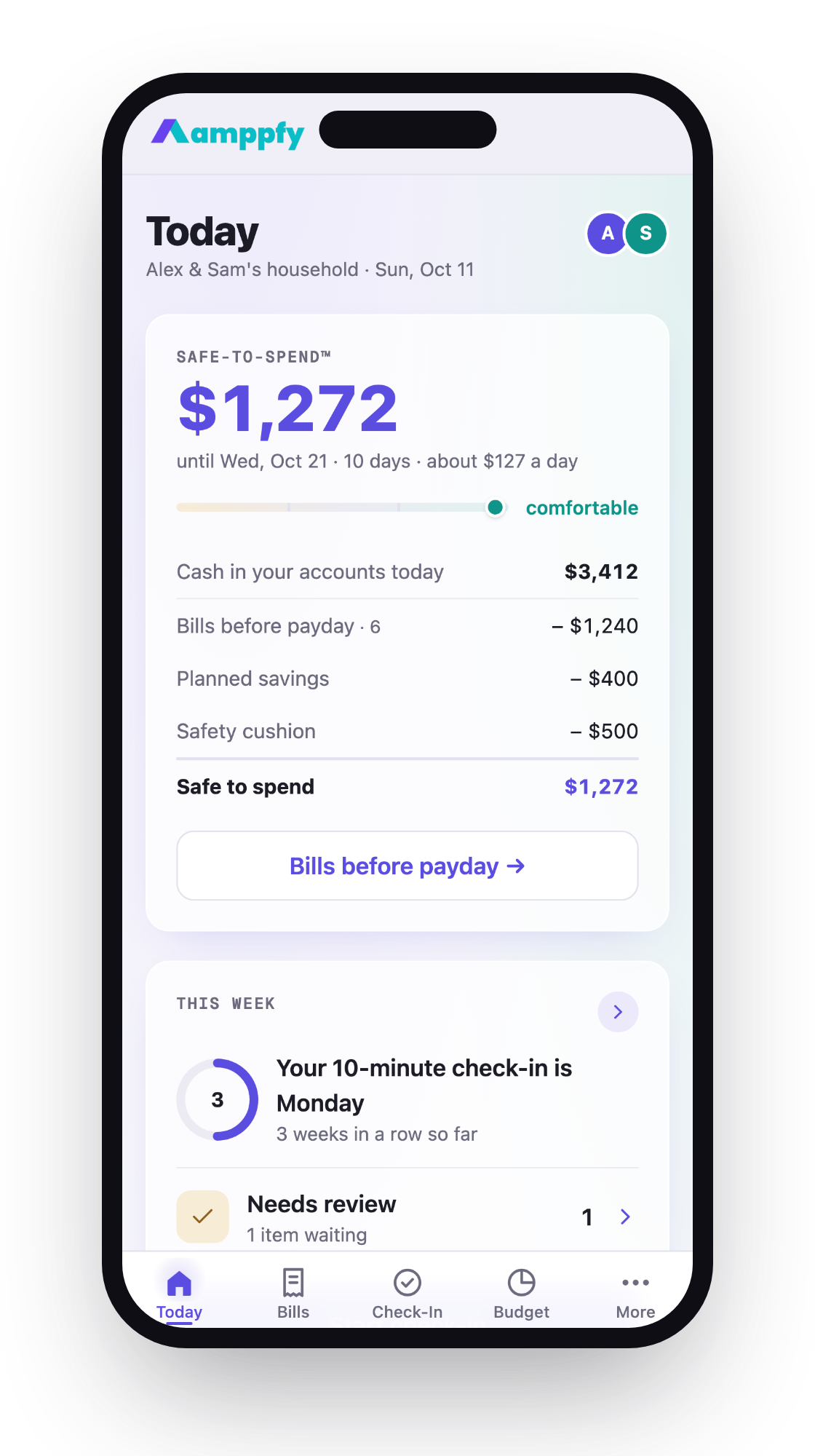
    Financial technology has matured significantly. Modern budgeting apps use machine learning to categorize transactions, predict upcoming expenses, and identify saving opportunities you might miss.

    Tools worth considering include apps that automatically round up purchases and invest the difference, platforms that analyze your spending patterns and suggest adjustments, and services that negotiate bills on your behalf. These aren't replacements for intentional financial planning, but they can automate the tedious parts.

    The best budgeting approach is whichever one you'll actually use. A sophisticated spreadsheet system you abandon after two weeks helps less than a simple app you check daily. Experiment with different tools until you find what fits your habits.

    One word of caution: avoid apps that require linking all your financial accounts unless you've verified their security practices. The convenience isn't worth compromising your financial data security.

    Frequently Asked Questions

    How much should I have in my emergency fund before focusing on retirement savings?

    Start with a minimum of one month's expenses, then split additional savings between emergency fund and retirement. The employer match is too valuable to delay. Once you hit three months of emergency savings, you can shift more aggressively toward retirement while continuing to build toward your full emergency fund target. This parallel approach prevents you from missing years of compound growth while building your safety net.

    Should I pay off debt or save for retirement first?

    It depends on the interest rate. Debt above 7-8% interest should be paid off before investing beyond your employer match. Debt below 5% can be paid off gradually while you invest. The gray zone between 5-7% depends on your risk tolerance and emotional relationship with debt. Always contribute enough to get your full employer match regardless of debt: that instant return beats any debt payoff.

    Is it too late to start saving for retirement at 45 or 50?

    Absolutely not, though your strategy needs adjustment. Catch-up contributions become essential, and you may need to save a higher percentage of income than someone who started at 25. A 50-year-old can still accumulate substantial retirement savings over 15-20 working years, especially with aggressive saving rates and catch-up provisions. The worst decision is assuming it's too late and saving nothing.

    How do I balance saving for retirement versus saving for a house down payment?

    Don't sacrifice your employer match for a down payment fund. Beyond that, the decision depends on your timeline and local housing market. If you're buying within two years, keep down payment savings in high-yield savings accounts. If your timeline is five or more years, you might invest more aggressively. Consider whether homeownership actually makes financial sense in your market: renting and investing the difference can sometimes build more wealth.

    Advertisement

    Your Path Forward Starts Now

    Building financial security isn't about making perfect decisions. It's about making consistently good decisions over time. The strategies outlined here work because they account for human psychology, not just mathematical optimization.

    Start where you are. If you have no emergency fund, open a high-yield savings account today and set up a $50 automatic transfer. If you're not getting your full employer match, increase your 401(k) contribution by 1% this week. Small actions compound into transformative results.

    The financial landscape of 2026 rewards those who prepare. Higher interest rates mean your savings actually earn meaningful returns. Updated contribution limits let you shelter more money from taxes. Better tools make automation easier than ever.

    Your future self will thank you for the decisions you make today. Take one concrete step before you close this article. Your financial security depends not on reading about saving strategies, but on implementing them.


    Best Budgeting Tips Budget Methods Budgeting Basics How to budget and save Start a Budget
    Share. Facebook Twitter LinkedIn Email Copy Link
    Previous ArticleMaster Your Budget: A Blueprint for Financial Control
    Next Article Understanding Mortgages: A Handbook for Homebuyers
    Thomas T.

    Thomas is a Personal Finance Writer and Financial Content Strategist with over 10 years of experience helping individuals make smarter financial decisions. He specializes in topics such as budgeting, debt management, saving strategies, and financial behavior, translating complex financial concepts into clear, actionable guidance. His work focuses on empowering readers to build sustainable financial habits and confidently navigate their financial lives, combining data-driven insights with practical, real-world advice.

    More Like This

    10 Ways to Pay Off Credit Card Debt

    By Thomas T.June 27, 2026

    Millions Can’t Cover an Emergency Expense. Here’s How to Handle One

    By Thomas T.June 27, 2026

    Trump Accounts for Kids: How Do They Stack Up?

    By Thomas T.June 27, 2026
    Helpful Resources

    10 Ways to Pay Off Credit Card Debt

    June 27, 2026

    Millions Can’t Cover an Emergency Expense. Here’s How to Handle One

    June 27, 2026

    Trump Accounts for Kids: How Do They Stack Up?

    June 27, 2026

    Data: Massive Survey Shows How Generations Spend Money

    June 27, 2026

    Financial Clarity. Everyday Confidence.

    Facebook X (Twitter) YouTube LinkedIn
    Calculators

    Emergency Fund Calculator

    Compound Interest Calculator

    Interest Rate Calculator

    Net Worth Calculator

    Mortgage Calculator

    How Much Home Can I Afford

    Debt-to-Income Ratio Calculator

    Cost of Living Calculator

    Savings Calculator

    Savings Goal Calculator

    Monthly Budget Calculator

    Latest Resources

    Hyatt’s Award Chart Changes Are Now Live; I’m Not Panicking

    June 27, 2026

    Hyatt’s Devaluation Isn’t the Disaster It Looked Like

    June 27, 2026

    Airbnb Expands Hotel Push With Price Match, Bigger Rebates

    June 27, 2026

    The Guide to Citi Strata Elite’s Travel Insurance Benefits

    June 27, 2026
    About & Legal

    About Amppfy

    Editorial Policy

    EULA

    Terms of Use

    Acceptable Use Policy

    Privacy Policy

    Cookie Policy

    Disclaimer

    Do Not Sell or Share My Personal Information

    Acceptable Use Policy

    Disclaimer: Amppfy is committed to keeping its information transparent, accurate, and up-to-date. The information on Amppfy is provided for educational and informational purposes only and should NOT be considered financial, investment, tax, or legal advice. You should consult a qualified financial professional before making any financial decisions. This information may differ from what you find on the specific product or service provider’s website. All information, content, software, tools, products, or services on Amppfy are presented without warranty or guarantee. Please review the specific provider’s terms and conditions when evaluating products or services. By accessing Amppfy or using our AI generator tools, you acknowledge that you have read, understood, and agreed to our EULA, Terms of Use, Acceptable Use Policy, Privacy Policy, Cookie Policy, and Disclaimer. Amppfy.com uses cookies. For more information, visit Amppfy’s Cookie Policy. Amppfy may be compensated through third-party advertisers and affiliates. For more information, visit Amppfy’s Disclaimer.

    Copyright© 2026 Amppfy | All Rights Reserved

    Type above and press Enter to search. Press Esc to cancel.

    Advertiser Disclosure: Products may include affiliate links related to financial products or services. We may earn a commission at no additional cost to you. Our content remains independent and focused on helping you make informed financial decisions.
    Fact Checked
    Financial Disclaimer

    This content is for informational and educational purposes only and should not be considered financial advice. Personal finance decisions—including budgeting, saving, investing, credit, mortgages, taxes, and debt management—depend on your individual circumstances. Always consult a qualified financial professional before making financial decisions.

    Editorial Standards and Content Integrity

    Our editorial process ensures accuracy, clarity, and trust across all personal finance topics, including budgeting, saving, investing, and debt management. Content is created using credible sources such as government agencies, academic research, and established financial institutions, and may incorporate insights from industry experts when relevant. Each article is reviewed for accuracy, timeliness, and relevance before publication and updated as needed to reflect changes in financial guidelines and best practices, with the goal of providing clear, evidence-based information to help readers make informed financial decisions.

    Learn more about our editorial policy and guideline.