Best High-Yield Savings Accounts for Emergency Funds (2026): Maximize Your Earnings and Grow Your Cash Faster
Your emergency fund shouldn’t be losing purchasing power while it sits idle. Yet that’s exactly what happens when you park cash in a traditional savings account earning the national average of roughly 0.40% APY while inflation chips away at your balance. The best high-yield savings accounts for emergency funds in 2026 can earn you ten times that rate, turning your safety net into something that actually grows.
I’ve been tracking these accounts closely, and the gap between the best and worst options is wider than most people realize. Here’s what you need to know to maximize your earnings and grow your emergency fund faster this year.
Why High-Yield Savings Accounts are Essential for 2026 Emergency Funds
The case for a high-yield savings account as the home for your emergency fund has never been stronger. With top rates hovering above 4% APY, your money can do real work while staying completely liquid. A $15,000 emergency fund earning 4% generates roughly $600 per year in interest, compared to just $60 at the national average. That’s not life-changing wealth, but it’s meaningful, especially when the alternative is watching your purchasing power erode.
Think of it this way: your emergency fund is like a fire extinguisher. You need it accessible, reliable, and ready at a moment’s notice. A high-yield savings account checks all three boxes while paying you for the privilege of holding your cash.
Inflation Protection for Your Safety Net
An emergency fund isn’t an investment. It’s insurance. But that doesn’t mean you should ignore inflation’s effect on it. If inflation runs at 3% and your savings earn 0.40%, you’re losing 2.6% of your fund’s real value every year. On a $20,000 emergency fund, that’s $520 in lost purchasing power annually.
A high-yield account earning 4% flips that equation. You’re actually staying slightly ahead of inflation, which means your three to six months of expenses still covers three to six months of expenses a year from now. That’s the whole point: your safety net should maintain its protective value over time.
Top 5 High-Yield Savings Accounts for Maximum Growth
Not all high-yield accounts are created equal. Rates matter, but so do minimum deposits, fee structures, and how quickly you can access your money. Here’s a comparison of five standout options for April 2026:
| Account | APY
* As of April 2026 |
Minimum Deposit | Monthly Fees | Notable Feature |
|---|---|---|---|---|
| Vio Bank | 4.03% | $100 | None | Consistently top-tier rates |
| Peak Bank | 4.02% | $100 | None | Simple, no-frills savings |
| SoFi Savings | Up to 4.00% | $0 | None | +0.70% Boost for new accounts |
| LendingClub | 4.00% | $0 | None | No minimums at all |
| Marcus by Goldman Sachs | 3.65% | $0 | None | Trusted brand, zero fees |
Best Overall APY: Leading Digital Banks
Vio Bank and Peak Bank lead the pack with rates above 4% APY. Both require just a $100 minimum deposit, which is essentially nothing for an emergency fund account. Vio Bank’s 4.03% APY with a $100 minimum makes it particularly attractive for savers who want the highest possible return without jumping through hoops.
These digital-first banks keep overhead low by skipping physical branches, and they pass those savings directly to customers through higher rates. The trade-off is that you won’t walk into a branch for help, but rather for an emergency fund you rarely touch; that’s a friction point that barely matters.
Best for Quick Access: Accounts with Instant Transfers
When your car breaks down or a pipe bursts, you need money fast, not in three to five business days. LendingClub stands out here with its 4.00% APY and zero minimum deposit requirement, combined with solid transfer speeds. Marcus by Goldman Sachs also offers quick electronic transfers and has built a reputation for reliability, even though its 3.65% APY sits slightly below the competition.
The key question to ask any bank before opening an account: how quickly can funds reach my checking account? Same-day ACH transfers have become more common, but some institutions still take 24 to 48 hours. For a true emergency fund, that speed matters.
Best for Automated Savings: Integrated FinTech Tools
SoFi’s savings account deserves special attention if you’re still building your emergency fund. The +0.70% APY boost for new accounts with eligible direct deposit pushes the rate to 4.00% for up to six months, after which it reverts to 3.30%. That initial boost can accelerate your early savings momentum.
SoFi also offers automated savings tools, round-up features, and a single app that consolidates checking, savings, and investing. If reducing friction in your financial life sounds appealing, this kind of integration can help you build your fund faster simply because it removes the mental effort of managing multiple accounts.
Critical Features to Evaluate Beyond the APY
A high APY grabs attention, but it’s not the only thing that matters. The wrong account can cost you money through hidden fees or frustrate you with a clunky app that makes you dread checking your balance.
FDIC and NCUA Insurance Verification
Every account on this list carries FDIC insurance up to $250,000 per depositor, per institution. This is non-negotiable for an emergency fund. If a bank fails, your money is protected by the full faith and credit of the U.S. government.
Before opening any account, verify the bank’s FDIC or NCUA membership directly on the regulator’s website. Some newer fintech companies partner with FDIC-insured banks but aren’t themselves insured, which can create confusion. Your emergency fund is not the place for ambiguity about deposit protection.
Fee Structures and Minimum Balance Requirements
The accounts above all charge zero monthly maintenance fees, which is exactly what you want. But watch for subtler costs: excessive transfer fees, paper statement charges, or penalties for falling below a minimum balance. Even a $5 monthly fee on a $5,000 balance effectively reduces your APY by over 1%.
Here’s a quick rule of thumb: if an account charges any recurring fee that can’t be easily waived, cross it off your list. There are too many genuinely free options available to tolerate unnecessary costs on your emergency savings.
Mobile App Functionality and User Experience
You’ll interact with your emergency fund through an app, so it needs to work well. Look for these practical features:
- Real-time balance and interest tracking
- Biometric login for quick, secure access
- Easy internal and external transfer setup
- Push notifications for deposits and withdrawals
- Clear transaction history
A poorly designed app creates friction that discourages you from engaging with your savings. The best apps make it satisfying to watch your balance grow, which reinforces the habit of saving.
Strategies to Accelerate Your Emergency Fund Growth
Having the right account is step one. Building the fund quickly requires a deliberate strategy.
Utilizing Compound Interest Schedules
Most high-yield savings accounts compound interest daily and credit it monthly. This means your interest earns interest every single day, creating a small but real snowball effect. On a $10,000 balance at 4% APY with daily compounding, you’ll earn approximately $407 in a year rather than the $400 you’d get with simple interest.
The difference grows with larger balances and longer time horizons. The practical takeaway: don’t withdraw interest payments. Let them compound, and your fund builds faster with zero additional effort on your part.
Setting Up Recurring Automatic Deposits
Automation is the single most effective savings strategy I’ve seen. Set up a recurring transfer from your checking account to your HYSA on payday, even before you have a chance to spend it. The amount matters less than the consistency.
Consider this scenario: $400 per month into a 4% APY account builds to roughly $4,900 after one year. Bump that to $500 per month, and you’re at about $6,120. That extra $100 monthly adds over $1,200 to your balance in twelve months, including interest. Small changes in contribution amount create surprisingly large differences over time.
Managing and Maintaining Your Financial Cushion
Building the fund is only half the job. Maintaining it requires a clear plan for both withdrawals and ongoing optimization.
When to Withdraw and How to Replenish
Your emergency fund exists for genuine emergencies: job loss, medical bills, urgent home repairs, and unexpected car trouble. A vacation or a good deal on a TV doesn’t qualify. Having clear criteria before an emergency strikes prevents emotional spending from draining your safety net.
When you do make a withdrawal, treat replenishment as a top financial priority. Temporarily increase your automatic deposits or redirect any windfalls (tax refunds, bonuses, side income) directly into the account until you’re back to your target balance.
Reviewing Your Rate Against Market Competitors
Banks adjust rates regularly, and the best account today might not be the best account in six months. Set a calendar reminder to compare your current APY against competitors every quarter. If your rate has dropped significantly below the top options, moving your money is usually painless and takes about 15 minutes.
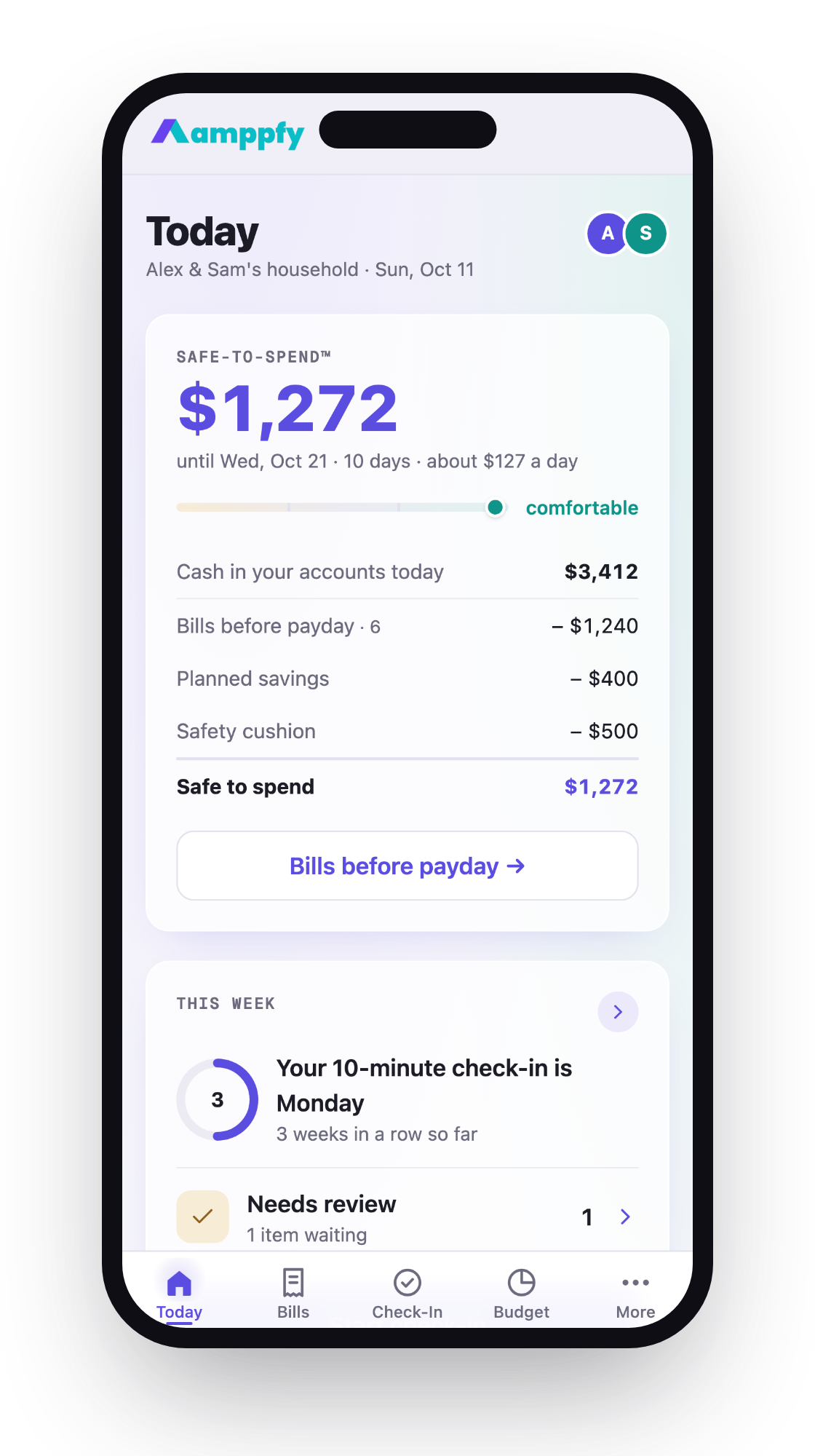
That said, don’t chase every 0.05% difference. Switching costs you time and attention, and some banks offer loyalty bonuses or rate guarantees for existing customers. The sweet spot is staying aware without obsessing. Resources like Ampffy can help you stay informed about rate changes without the constant research.
Frequently Asked Questions
How much should I keep in my emergency fund?
Most financial advisors recommend three to six months of essential living expenses. If your monthly necessities total $3,500, aim for $10,500 to $21,000. Self-employed individuals or those with variable income may want to target six to nine months. What fills your typical week matters here: if you’re eating out frequently or carrying high fixed costs, adjust your target upward.
Are high-yield savings accounts safe?
Yes, provided they carry FDIC or NCUA insurance. Your deposits are protected up to $250,000 per depositor, per insured institution. This coverage applies regardless of whether the bank is online-only or has physical branches.
Can I lose money in a high-yield savings account?
You won’t lose your principal in an FDIC-insured account. However, if your APY falls below the inflation rate, your money loses purchasing power over time. This is why choosing accounts with competitive rates matters, even for conservative savings.
Should I split my emergency fund across multiple accounts?
Splitting can make sense if your emergency fund exceeds $250,000 (to stay within FDIC limits at each institution) or if you want one account for quick-access emergencies and another for longer-term reserves. For most people, a single high-yield account keeps things simple and reduces the friction of managing multiple logins and transfers.