
Close Menu

    Subscribe to Updates

    Get the latest creative news from FooBar about art, design and business.

    What's Hot

    Hyatt’s Award Chart Changes Are Now Live; I’m Not Panicking

    June 27, 2026

    Hyatt’s Devaluation Isn’t the Disaster It Looked Like

    June 27, 2026

    Airbnb Expands Hotel Push With Price Match, Bigger Rebates

    June 27, 2026
    Facebook X (Twitter) Instagram
    Amppfy
    • Personal Finance
      • Money Basics
        • How to Master Money Management
        • Psychology of Money Habits
        • How to Set Financial Goals
        • Money Management for Every Life Stage
        • Beyond Budgeting: Advanced Money Skills
        • Financial Literacy
        • Money Management
        • Know Your Money
        • Cash Flow
      • Financial Wellness
        • Understand Your Money Relationship
        • Build a Healthy Money Mindset
        • 7 Money Tips for Financial Freedom
        • Take the Money Health Quiz
        • Monthly Financial Reviews
        • Money Habits
        • Money Mindset
        • Financial Goals
        • Financial Independence
      • Side Hustles & Extra Income
        • 8 Realistic Side Hustles
        • How to Make Money Online
        • Passive Income Ideas That Work
        • Passive Income 101: Ideas That Scale
        • Spot a Bad Passive Income Deal
        • Start Freelance Writing: First $1,000
        • Budgeting with Irregular Income
        • Side Hustle Ideas
        • Passive Income
        • Gig Economy
      • Major Money Decisions
        • Plan a Major Purchase Without Debt
        • Car Buying: Save, Finance, or Lease?
        • Used Car Buying & Negotiation Tips
        • What to Save For vs. Finance
        • Life Insurance 101: Coverage Needs
        • Term vs. Whole Life Insurance
        • Buying a Car
        • Major Purchase Planning
        • Home Improvement
        • Life Insurance
      • Money Tools & Calculators
        • Net Worth Calculator
        • Cost of Living Calculator
        • Compound Interest Calculator
        • Monthly Budget Calculator
        • Savings Goal Calculator
        • Emergency Fund Calculator
        • Savings Calculator
        • Do Money Management Tools Work?
        • Spend Tracking
        • Net Worth
    • Savings
      • Budgeting Tips
        • The 50/30/20 Rule Explained
        • How to Make a Monthly Budget
        • How to Budget Money in 5 Steps
        • The Envelope Method Explained
        • Best Budgeting Apps Compared
        • Common Budgeting Mistakes
        • Budgeting for Couples
        • Start a Budget
        • Budget Methods
        • 50/30/20 Budgeting
      • Ways to Save
        • Save $500 This Month
        • 14 Ways to Cut Monthly Expenses
        • How to Save Money on Groceries
        • Lower Your Utility Bills
        • Budget Swaps for Big Purchases
        • Save Money on Car Insurance
        • Cut Expenses
        • Groceries Savings
        • Smart Saving Strategies
      • Emergency Fund
        • How Much Emergency Fund to Save
        • How to Build an Emergency Fund
        • Start a Rainy Day Fund
        • Sinking Funds vs. Emergency Fund
        • Emergency Fund Essentials
        • Where to Keep Your Emergency Fund
        • Best Emergency Fund Tips
        • Emergency Savings
        • Emergency Buffer
      • Savings Goals & Plans
        • How to Create a Savings Plan
        • How to Set Savings Goals
        • Track Spending Without Spreadsheets
        • 529 College Savings on a Budget
        • Saving During a Recession
        • Budget a Debt-Free Vacation
        • Vacation Budgeting
        • Family Budgeting
        • Savings Goals
        • Recession Saving
      • Savings Tools & Planning
        • Budget Calculator
        • Savings Goal Calculator
        • Emergency Fund Calculator
        • Savings Calculator
        • Compound Interest Calculator
        • Savings Buckets
        • Sinking Funds
        • Maximize Your Savings
        • Savings Tips
        • Savvy Saver
    • Debt
      • Get Out of Debt
        • Debt Snowball vs. Avalanche
        • Pay Off Credit Card Debt Fast
        • Beginner’s Credit Card Payoff Plan
        • Build a Debt Payoff Calendar
        • Use Windfalls to Crush Debt
        • Debt Free Journey
        • Debt Payoff
        • Credit Card Debt
      • Student & Auto Loans
        • Student Loans 101
        • Get Out of Student Loan Debt
        • Income-Driven Repayment Plans
        • Best Student Loan Repayment Option
        • Auto Loans: Shop & Save on Interest
        • Pay Off Your Auto Loan Early
        • Student Loans
        • Auto Loans
        • Auto Loan Debt
      • Debt Consolidation
        • Debt Consolidation Pros & Cons
        • Is Consolidating Debt Right for You?
        • Balance Transfers to Pay Off Debt
        • HELOC to Pay Off Credit Cards
        • 401(k) Rollover to Pay Down Debt
        • How to Refinance a Personal Loan
        • Before You Take a Personal Loan
        • Personal Loans
        • Personal Loan Refinance
      • Managing Debt
        • Navigating Medical Debt
        • Budgeting with a High-Interest Loan
        • Build a Debt-Repayment Fund
        • Debt Payoff for Single Parents
        • Save for a Wedding Without Debt
        • Medical Debt
        • Single Parent Debt
        • Personal Loan Debt
      • Debt Relief & Protection
        • When Bankruptcy Is an Option
        • Avoid Predatory Lenders & Scams
        • Negotiate with Creditors: Scripts
        • Budgeting Around Wage Garnishment
        • Debt Relief
        • Bankruptcy
        • Creditor Negotiation
        • Predatory Lenders
        • Wage Garnishment
    • Credit
      • Credit Scores
        • Credit Score 101
        • Check & Improve Your Credit Score
        • Credit Utilization: A Simple Fix
        • Check Your Credit Score Free
        • Rebuild Credit After a Setback
        • How Credit Scores Are Calculated
        • What Credit Scores Mean
        • Credit Health
      • Credit Reports
        • Read & Dispute Your Credit Report
        • Dispute Template That Works
        • How Long Negative Marks Last
        • Remove Negative Items
        • What to Expect as Items Age Off
        • Understanding Credit Utilization
        • Credit Basics
        • Checking Your Credit Score
      • Building Credit
        • Best Starter Credit Cards
        • Secured vs. Unsecured Cards
        • Secured Cards & Credit-Builder Loans
        • Build Credit as a Gig Worker
        • Boost Your Score Before a Mortgage
        • Borrow Now vs. Wait
        • Build Credit
        • Credit Cards for Beginners
        • Credit for Gig Workers
      • Credit Cards
        • Best Rewards Credit Cards
        • Credit Card Hacks: Intro APRs
        • Balance Transfers Explained
        • Earn Rewards Without Debt
        • Responsible Card Use & Rewards Tips
        • Lost or Stolen Card: What to Do
        • Credit Card Rewards
        • Balance Transfer Cards
      • Credit Protection & Safety
        • Identity Theft Checklist
        • Truth About Credit Freezes
        • How to Freeze & Thaw Your Credit
        • Credit Monitoring vs. Freezes
        • Credit Protection
        • Credit Freeze
        • Fraud Awareness
        • Financial Safety
    • Investing
      • Start Investing
        • Investing 101: Beginner’s Guide
        • Start Investing with $100
        • Start with $50/Month
        • Scared of the Market? Start Here
        • Open a Brokerage Account
        • Invest While Paying Down Debt
        • How to Start Investing
        • Start with Little Money
        • Fear of Investing
      • Investing Strategy
        • Roth IRA vs. Traditional IRA
        • Dollar-Cost Averaging Explained
        • DCA vs. Lump-Sum Investing
        • 5 Simple Starter Portfolios
        • Asset Allocation Beyond 60/40
        • How to Rebalance Your Portfolio
        • Diversify Your Portfolio
        • Investing Mistakes to Avoid
        • Investment Strategies
        • Diversification
      • Stocks
        • How the Stock Market Works
        • How to Make Money in Stocks
        • How to Read Stock Charts
        • Analyze Stocks in 5 Steps
        • P/E Ratio for Beginners
        • Bullish vs. Bearish Explained
        • How Stock Trading Works
        • Stock Market Basics
        • Stock Analysis
        • Stock Trading Strategies
      • Funds & Wealth Building
        • Beginner’s Guide to Index Funds
        • Best S&P 500 Index Funds
        • Mutual Funds vs. ETFs
        • How to Invest in ETFs
        • Dividend Investing for Beginners
        • Build a Dividend Income Stream
        • Maximize Your 401(k) Match
        • Build a Retirement Portfolio
        • Index Funds
        • Dividend Investing
      • Brokerages & Platforms
        • Vanguard vs. Fidelity
        • Fidelity vs. Schwab
        • Robinhood vs. E*Trade
        • Robo-Advisors vs. Human Advisors
        • Robo-Advisor or DIY Investing?
        • How Brokerage Fees Affect Returns
        • Manage Multiple Brokerage Accounts
        • Brokerages
        • Investment Platforms
        • Robo Advisors
    • Home
      • Home Buying
        • First-Time Homebuyer Checklist
        • How Much Down Payment You Need
        • How Much Home Can You Afford?
        • Renting vs. Buying
        • True Costs of Homeownership
        • Qualify as a First-Time Buyer
        • Buying a Fixer-Upper
        • First-Time Home Buyer
        • Home Affordability
      • Mortgage
        • First-Time Buyer’s Mortgage Guide
        • Fixed vs. Adjustable Mortgage
        • How to Refinance a Mortgage
        • Mortgage Payoff Strategies
        • Winning in a High-Rate Market
        • Mortgage Amortization Calculator
        • Down Payment Assistance Programs
        • Mastering Refinance Rate Locks
        • Mortgage Rates
        • Mortgage Refinance
        • Debt-to-Income Calculator
      • Real Estate Investing
        • Real Estate Crowdfunding Platforms
        • Rental Property Cash Flow
        • REITs for Passive Income
        • REITs vs. Direct Ownership
        • Fix-and-Flip Opportunities
        • Airbnb & Short-Term Rental ROI
        • Buying a Multi-Family Property
        • 1031 Exchange to Defer Taxes
        • Real Estate Investing
        • Rental Property
      • Home Insurance
        • Homeowners Insurance Guide
        • Compare Home Insurance Quotes
        • Best Home Insurance Companies
        • Choose Your Deductible
        • Renters vs. Homeowners Insurance
        • File a Property Insurance Claim
        • Home Insurance Coverage Basics
        • Home Insurance Rates
        • Home Insurance Claims
      • Home Equity & Ownership
        • Smart Ways to Use Home Equity
        • Save for a Down Payment
        • Down Payment Strategies
        • Estimate Property Appreciation
        • Home Equity
        • HELOC Payoff Strategy
        • Home Down Payment
        • Home Ownership
        • Home Renovation
    • Bank
      • Banking Basics
        • Open Your First Bank Account
        • Online Banks vs. Traditional Banks
        • How to Avoid Bank Fees
        • How to Switch Banks
        • Read Your Bank Statement
        • Second-Chance Checking Accounts
        • Get Better Rates from Your Bank
        • Banking Basics
        • How to Choose a Bank
        • Compare Banks
      • Checking Accounts
        • Best Checking Accounts
        • Choose the Right Checking Account
        • Overdraft Protection Guide
        • Stop Paying Overdraft Fees
        • The True Cost of Checking Fees
        • Mobile Check Deposits
        • How Long Checks Take to Clear
        • Checking Accounts
        • Best Checking Account
      • Savings Accounts & CDs
        • High-Yield Savings Explained
        • Best High-Yield Savings Account
        • Savings Accounts vs. CDs
        • What Is a CD?
        • Money Market vs. Savings Account
        • HYSA vs. Treasury Bills
        • How Savings Interest Is Calculated
        • Savings Account Minimum Balances
        • Savings Account
      • Bank Smarter
        • Top Banks for High-APY Savings
        • How Much Cash in Each Account
        • How Many Savings Accounts to Have
        • Managing Multiple Bank Accounts
        • Where to Put Your Money
        • When to Save vs. When to Invest
        • Savings Account Fees to Avoid
        • Banking Tips
        • Digital Banking
      • Banking Safety & Security
        • Set Up Bank Account Alerts
        • Avoid Check Scams
        • Missing Debit Card: Next Steps
        • When to Stop a Check Payment
        • Bank Fees
        • Debit Cards
        • Joint Bank Accounts
        • Banking How-To Guides
    • Tax
      • Tax Filing
        • Tax Filing for Beginners
        • How to File Freelance Taxes
        • Choose the Right Tax Software
        • Change Withholding Mid-Year
        • Handling Back Taxes
        • Year-End Tax Checklist
        • How to File Taxes
        • Tax Filing Basics
        • Tax Tips
      • Deductions & Credits
        • Tax Deductions 101
        • Tax Credits vs. Deductions
        • Child Tax Credit Explained
        • Child & Dependent Care Credit
        • Claim the Saver’s Credit
        • Moving Expense Deductions
        • Tax Deductions
        • Tax Credits
        • Child Tax Credits
      • Tax Strategy
        • Avoid Audit-Triggering Mistakes
        • Capital Gains Taxes Explained
        • IRA Tax Rules
        • Tax Basics for New Investors
        • Minimize Taxes for Your Heirs
        • Capital Gains Taxes
        • Retirement Taxes
        • Adjusted Gross Income
      • Tax Savings
        • Use an HSA to Lower Your Tax Bill
        • HSA: The Triple Tax Advantage
        • 529 Plans for Education Savings
        • Max the Match, Then What?
        • Tax Savings
        • Tax Refunds
        • Tax Bill
        • HSA
      • Gig & Life Situation Taxes
        • Freelancer & Gig Worker Taxes
        • Side-Gig Income & Your Taxes
        • Tax Strategies for Side Hustles
        • Taxes for Life Situations
        • Freelance Taxes
        • Gig Work Taxes
        • Child Tax
        • Dependent Care Credit
    Amppfy
    Home » Personal Finance » Psychology of Money Management: Build Habits in 2026
    Personal Finance

    Psychology of Money Management: Build Habits in 2026

    Explore the psychology of money management and how it shapes your relationship with finances and spending habits.
    Thomas T.By Thomas T.January 31, 2026Updated:February 1, 202612 Mins Read
    Facebook Twitter LinkedIn Email Copy Link
    Psychology of Money Management: Build Habits in 2026
    Share
    Facebook Twitter LinkedIn Email Copy Link

    Your relationship with money isn’t really about money. It’s about fear, identity, childhood memories, and the stories you tell yourself when no one’s listening. I’ve watched brilliant people earn six figures and still live paycheck to paycheck, while others earning half that amount build genuine wealth over time. The difference rarely stems from financial literacy or spreadsheet skills. It comes down to psychology.

    The psychology of personal money management and building good habits in 2026 requires understanding something uncomfortable: your brain wasn’t designed for the financial world you’re navigating. You’re running ancient mental software in an environment of instant transactions, infinite spending options, and algorithms specifically engineered to separate you from your cash. The good news? Your brain can change. Neuroplasticity means you can literally rewire your financial habits, but only if you understand what you’re working with.

    The Evolution of Financial Behavior in the 2026 Digital Economy

    The way we spend money has fundamentally shifted in ways most people haven’t consciously registered. Twenty years ago, spending required physical action: handing over cash, writing checks, or, at a minimum, swiping a card. Each transaction had friction. That friction gave your brain time to process what you were doing.

    Now? A thumbprint and three seconds. Your money moves before your prefrontal cortex finishes evaluating the decision.

    Advertisement

    Impact of Instantaneous Digital Transactions on Impulsivity

    Here’s what the research shows: the time between wanting something and buying it has collapsed from days or hours to seconds. This matters because impulse control isn’t instantaneous. Your brain needs roughly 10-15 seconds to engage the rational decision-making processes that help you evaluate whether a purchase aligns with your actual goals.

    One-click purchasing, tap-to-pay, and biometric authentication have eliminated that buffer entirely. You’re making financial decisions at the speed of emotion rather than the speed of thought.

    The practical impact looks like this:

    • Average impulse purchases have increased 40% since contactless payments became standard

    • Mobile shopping between 10 PM and midnight accounts for a disproportionate share of regretted purchases

    • “Buy now, pay later” services have normalized debt for purchases under $100

    The solution isn’t avoiding digital payments entirely. It’s engineering deliberate friction back into your system. Some people delete shopping apps from their phones. Others implement a 24-hour rule for non-essential purchases. The specific tactic matters less than the principle: you need to create space between impulse and action.

    The Rise of Invisible Spending and Subscription Fatigue

    The average American now maintains 12 active subscriptions, spending approximately $219 per month on recurring charges. Most people significantly underestimate this number when asked. The reason is simple: subscriptions are designed to be invisible. They’re optimized for acquisition and retention, not for your conscious awareness.

    This creates what behavioral economists call “subscription fatigue”: the cumulative financial and psychological drain of managing dozens of small recurring commitments. Each individual charge seems insignificant. Together, they represent thousands of dollars in annual spending you’re making without actively choosing to.

    Quarterly subscription audits have become essential financial hygiene. Set a calendar reminder to review every recurring charge and ask one question: would I actively choose to start this subscription today? If the answer is no, cancel it.

    Deconstructing Your Money Script and Cognitive Biases

    Identifying Childhood Financial Blueprints

    Your earliest money memories created neural pathways that still influence your financial behavior. If you grew up hearing “we can’t afford that” constantly, you might either pinch pennies compulsively or overspend to prove you’ve escaped that scarcity. If money were a source of conflict in your household, you might avoid financial discussions entirely, even with yourself.

    Common money scripts include:

    • Money avoidance: believing money is bad or that you don’t deserve it

    • Money worship: believing that more money will solve all problems

    • Money status: equating net worth with self-worth

    • Money vigilance: excessive secrecy and anxiety around finances

    These scripts are neither right nor wrong. They’re adaptations to your early environment. The problem is that adaptations useful in childhood often become limitations in adulthood. The kid who learned to hide money from a parent who’d spend it might become an adult who can’t discuss finances openly with a partner.

    Identifying your money script requires honest reflection. What did your parents say about money? What did they do? What emotions come up when you check your bank balance? The patterns reveal the programming.

    Overcoming Loss Aversion and the Sunk Cost Fallacy

    Your brain processes financial losses roughly twice as intensely as equivalent gains. Losing $100 feels about as bad as gaining $200 feels good. This asymmetry, called loss aversion, creates predictable irrationality in your financial decisions.

    Loss aversion leads individuals to hold losing investments too long, hoping to avoid “locking in” the loss. It makes you stay in jobs you hate because leaving feels like wasting the years you’ve already invested. It makes you keep paying for gym memberships you don’t use because canceling means admitting you wasted the previous months.

    The sunk cost fallacy compounds this. Money already spent is gone regardless of your future decisions, but your brain keeps trying to “recover” it by throwing good money after bad.

    Practical countermeasures include:

    • Ask “if I were starting fresh today, would I make this choice?” for major decisions

    • Set predetermined exit criteria before making investments

    • Recognize that admitting a mistake is cheaper than continuing one

    Neuroplasticity and Rewiring Wealth-Building Habits

    Your brain physically changes as you repeatedly do and think. This isn’t motivational fluff. It’s neuroscience. The neural pathways you use most become stronger and more automatic. The ones you neglect weaken.

    This means your current financial habits, good or bad, are literally wired into your brain structure. It also means you can rewire them with consistent practice.

    Dopamine Management: From Consumerism to Savings Goals

    Shopping triggers dopamine release, the neurochemical associated with anticipation and reward. This is why the moment before buying something often feels better than owning it afterward. Your brain is designed to seek that dopamine hit, and modern commerce has become extraordinarily skilled at triggering it.

    The goal isn’t eliminating dopamine from your financial life. That’s impossible and would make saving feel like perpetual deprivation. Instead, you need to redirect dopamine toward wealth-building activities.

    Strategies that work:

    • Gamify savings with visual progress trackers that show movement toward goals

    • Celebrate savings milestones with small, predetermined rewards

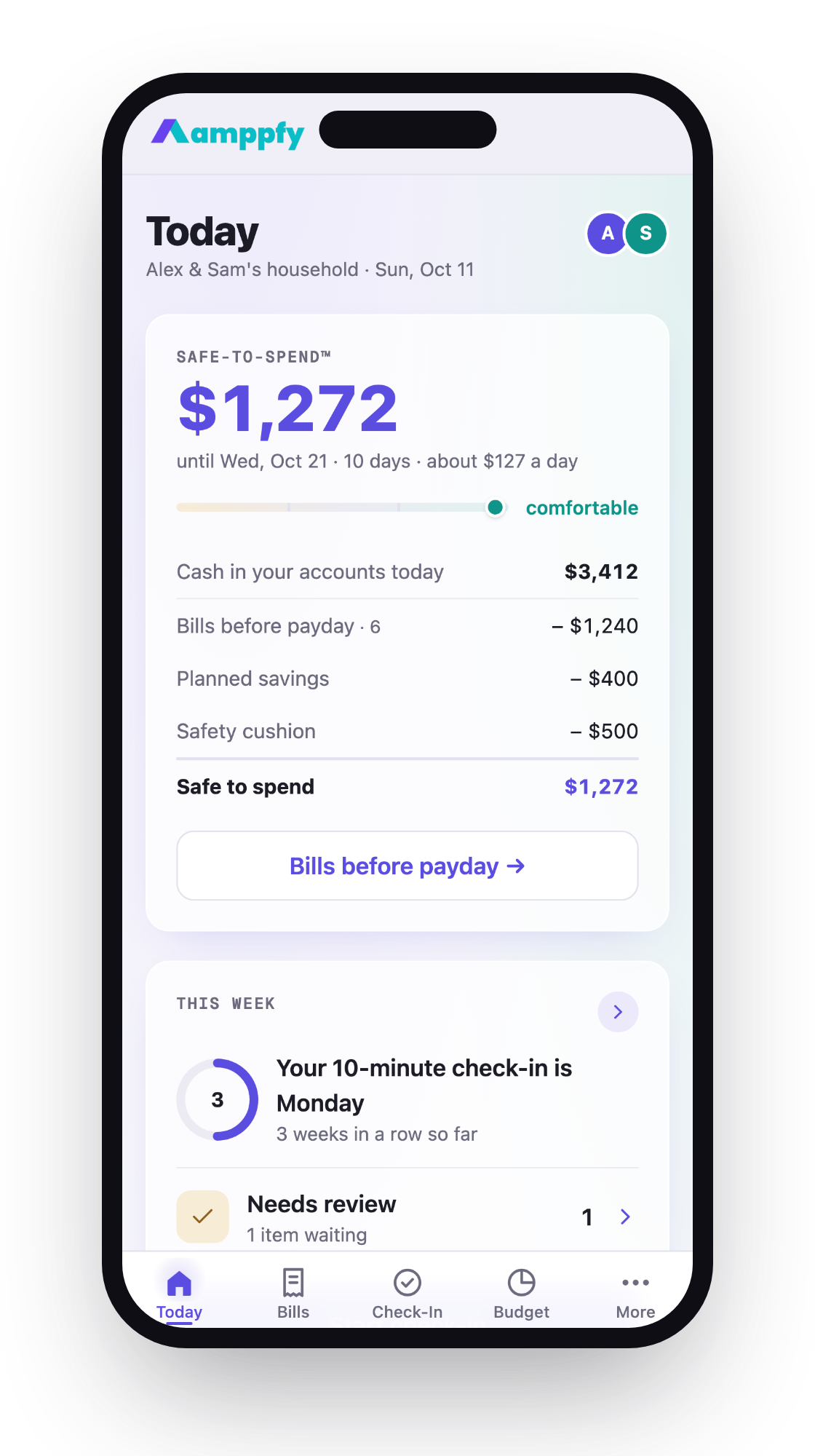
    • Use apps that provide immediate positive feedback when you make good financial choices

    • Create savings “streaks” that trigger the same psychological satisfaction as other habit-tracking apps

    The key insight is that your brain doesn’t care what triggers the dopamine. It just wants the hit. You can train yourself to derive satisfaction from watching your net worth grow rather than from unboxing new purchases.

    The Power of Financial Identity and Self-Narrative

    The stories you tell yourself about who you are drive behavior more powerfully than willpower or knowledge. If you see yourself as “bad with money,” you’ll unconsciously act to confirm that identity. If you identify as “someone who builds wealth,” your decisions align with that identity.

    Identity change precedes behavioral change. This is why New Year’s resolutions fail: people try to change behavior without changing the underlying self-concept.

    Shifting financial identity requires small, consistent actions that provide evidence for your new story. Each time you make a choice aligned with your desired identity, you strengthen that self-concept. The person who automatically transfers money to savings isn’t exercising willpower. They’re just being who they are.

    Advertisement

    Leveraging Behavioral Architecture for Automatic Success

    Willpower is a depleting resource. You have a limited amount each day, and every decision drains it. Relying on willpower for financial success means you’ll eventually run out, probably at the worst possible moment.

    The alternative is to design the environment so that sound financial choices become automatic and poor ones become difficult.

    Choice Architecture: Designing a Frictionless Savings Path

    The path of least resistance determines most of your behavior. If saving money requires multiple steps and conscious effort, you’ll do it inconsistently. If spending money is effortless, you’ll spend effortlessly.

    Flip this equation. Make saving automatic and spending deliberate.

    Effective choice architecture includes:

    • Automatic transfers to savings accounts on payday, before you see the money

    • Retirement contributions that increase automatically with raises

    • Separate accounts for different purposes, making it psychologically harder to raid savings

    • Removing saved payment information from shopping sites

    • Using cash for discretionary spending categories

    One study found that simply changing 401(k) enrollment from opt-in to opt-out increased participation from 49% to 86%. The same people, the same plan, the same benefits. The only difference was which choice required effort.

    Using AI-Driven Nudges to Correct Spending Patterns

    Financial technology in 2026 offers unprecedented tools for behavioral intervention. AI-powered apps can now analyze your spending patterns and deliver personalized nudges at moments when you’re most likely to make decisions you’ll regret.

    These systems work by identifying your specific triggers and patterns. Maybe you overspend on weekends. Maybe work stress correlates with online shopping sprees. Maybe certain times of day or emotional states predict impulse purchases.

    Smart financial apps can now:

    • Send alerts when you’re about to exceed category budgets

    • Suggest waiting periods before large purchases

    • Highlight subscription creep and unused services

    • Predict upcoming expenses based on your patterns

    • Provide real-time feedback on how purchases affect your goals

    The key is choosing tools that work with your psychology rather than against it. The best financial apps feel like helpful assistants, not judgmental parents.

    Emotional Regulation and Long-Term Financial Resilience

    Money decisions made in emotional states are almost always worse than those made in a calm state. Fear leads to selling at market bottoms. Excitement leads to buying at peaks. Stress leads to retail therapy. Boredom leads to mindless scrolling and shopping.

    Building lasting financial wellness requires developing emotional regulation skills that extend beyond finance.

    Managing Market Volatility Anxiety in a High-Speed World

    If you’re investing for goals decades away, daily market movements are noise. But your brain doesn’t experience them as noise. Each red number triggers a stress response evolved for immediate physical threats. Your amygdala can’t distinguish between a bear market and an actual bear.

    The constant availability of financial information exacerbates this. You can check your portfolio balance every minute if you want to. Most people check far more often than serves their interests.

    Practical approaches to volatility anxiety:

    • Reduce checking frequency deliberately, perhaps to weekly or monthly

    • Zoom out on charts to see long-term trends rather than daily fluctuations

    • Automate investments so market timing becomes irrelevant

    • Remember that volatility is the price of admission for long-term returns

    • Have a written investment policy statement that guides decisions during emotional moments

    The goal is to create systems that prevent emotional decisions rather than relying on emotional control in the moment.

    Mindfulness Practices for Conscious Consumption

    Mindfulness isn’t just meditation. It’s the practice of bringing conscious awareness to automatic behaviors. In the context of spending, it means recognizing the impulse to buy before acting on it.

    This doesn’t require sitting cross-legged or chanting. It requires pausing. When you feel the urge to purchase something, take three breaths and ask yourself what need you’re trying to meet. Are you hungry? Tired? Lonely? Bored? Stressed?

    Often, the purchase is an attempt to solve a problem it won’t actually solve. Recognizing this in the moment allows you to address the underlying need differently.

    Sustaining Financial Wellness in an Era of Infinite Choice

    Building good money habits in 2026 isn’t a one-time achievement. It’s an ongoing practice in an environment designed to undermine it. The companies competing for your money have enormous resources and sophisticated psychological research backing their efforts.

    Your advantage is awareness. Once you understand the mechanisms driving your financial behavior, you can work with them instead of against them. You can design environments that make good choices easy. You can rewrite the money scripts running in your background. You can build an identity as someone who manages money well.

    The psychology of personal money management ultimately comes down to this: your financial life reflects your inner life. Address the psychology, and the practical pieces fall into place more easily than any budgeting app could accomplish alone.

    Start with one change. Make it automatic. Let it become part of who you are. Then add another. This is how lasting financial transformation happens: not through dramatic overhauls, but through consistent small shifts that compound over time, just like the wealth they help you build.

    Advertisement

    Frequently Asked Questions

    How long does it take to change a financial habit?

    Research suggests that habit formation takes between 18 and 254 days, with an average of approximately 66 days. Financial habits often fall on the longer end because they involve emotional and identity components beyond simple behavioral repetition. The key is consistency rather than perfection. Missing one day doesn’t reset your progress, but missing two days in a row makes the third day much harder. Focus on not missing twice.

    Can I improve my relationship with money if I grew up in a financially dysfunctional household?

    Absolutely. Your childhood experiences created your initial money scripts, but neuroplasticity means those scripts can be rewritten at any age. Many people with difficult financial upbringings become exceptionally skilled money managers precisely because they’ve had to consciously examine and rebuild their relationship with money. The awareness that comes from recognizing dysfunction is actually an advantage over those who never question their inherited assumptions.

    Why do I keep making the same financial mistakes even when I know better?

    Knowing and doing operate through different brain systems. Knowledge lives in your prefrontal cortex, but habits and emotional responses are driven by older brain structures that don’t respond to logical arguments. This is why information alone rarely changes behavior. You need to address the habit loop: the trigger, the routine, and the reward. Identify what triggers your financial mistakes, what need the behavior serves, and identify alternative routines that meet that need more constructively.

    Are budgeting apps actually helpful, or do they just create more anxiety?

    It depends on how you use them and which app you choose. For some people, detailed tracking increases financial anxiety without improving outcomes. For others, the visibility and feedback are genuinely helpful. The most effective approach is usually an automated system that requires minimal ongoing attention, rather than an app that demands constant engagement. If checking your financial app feels like a chore or triggers stress, try a simpler system or less frequent check-ins. The best financial tool is the one you’ll actually use consistently.


    2026 Financial Goals Financial Literacy Financial Planning Financial Safety Know Your Money Money Management Wealth Building
    Share. Facebook Twitter LinkedIn Email Copy Link
    Previous ArticleStrategic Steps for Setting Financial Goals in 2026
    Next Article Understand Your Money Relationship for 2026 Wellness
    Thomas T.

    Thomas is a Personal Finance Writer and Financial Content Strategist with over 10 years of experience helping individuals make smarter financial decisions. He specializes in topics such as budgeting, debt management, saving strategies, and financial behavior, translating complex financial concepts into clear, actionable guidance. His work focuses on empowering readers to build sustainable financial habits and confidently navigate their financial lives, combining data-driven insights with practical, real-world advice.

    More Like This

    Hyatt’s Award Chart Changes Are Now Live; I’m Not Panicking

    By Thomas T.June 27, 2026

    Hyatt’s Devaluation Isn’t the Disaster It Looked Like

    By Thomas T.June 27, 2026

    Airbnb Expands Hotel Push With Price Match, Bigger Rebates

    By Thomas T.June 27, 2026
    Helpful Resources

    Hyatt’s Award Chart Changes Are Now Live; I’m Not Panicking

    June 27, 2026

    Hyatt’s Devaluation Isn’t the Disaster It Looked Like

    June 27, 2026

    Airbnb Expands Hotel Push With Price Match, Bigger Rebates

    June 27, 2026

    The Guide to Citi Strata Elite’s Travel Insurance Benefits

    June 27, 2026

    Financial Clarity. Everyday Confidence.

    Facebook X (Twitter) YouTube LinkedIn
    Calculators

    Emergency Fund Calculator

    Compound Interest Calculator

    Interest Rate Calculator

    Net Worth Calculator

    Mortgage Calculator

    How Much Home Can I Afford

    Debt-to-Income Ratio Calculator

    Cost of Living Calculator

    Savings Calculator

    Savings Goal Calculator

    Monthly Budget Calculator

    Latest Resources

    Hyatt’s Award Chart Changes Are Now Live; I’m Not Panicking

    June 27, 2026

    Hyatt’s Devaluation Isn’t the Disaster It Looked Like

    June 27, 2026

    Airbnb Expands Hotel Push With Price Match, Bigger Rebates

    June 27, 2026

    The Guide to Citi Strata Elite’s Travel Insurance Benefits

    June 27, 2026
    About & Legal

    About Amppfy

    Editorial Policy

    EULA

    Terms of Use

    Acceptable Use Policy

    Privacy Policy

    Cookie Policy

    Disclaimer

    Do Not Sell or Share My Personal Information

    Acceptable Use Policy

    Disclaimer: Amppfy is committed to keeping its information transparent, accurate, and up-to-date. The information on Amppfy is provided for educational and informational purposes only and should NOT be considered financial, investment, tax, or legal advice. You should consult a qualified financial professional before making any financial decisions. This information may differ from what you find on the specific product or service provider’s website. All information, content, software, tools, products, or services on Amppfy are presented without warranty or guarantee. Please review the specific provider’s terms and conditions when evaluating products or services. By accessing Amppfy or using our AI generator tools, you acknowledge that you have read, understood, and agreed to our EULA, Terms of Use, Acceptable Use Policy, Privacy Policy, Cookie Policy, and Disclaimer. Amppfy.com uses cookies. For more information, visit Amppfy’s Cookie Policy. Amppfy may be compensated through third-party advertisers and affiliates. For more information, visit Amppfy’s Disclaimer.

    Copyright© 2026 Amppfy | All Rights Reserved

    Type above and press Enter to search. Press Esc to cancel.

    Advertiser Disclosure: Products may include affiliate links related to financial products or services. We may earn a commission at no additional cost to you. Our content remains independent and focused on helping you make informed financial decisions.
    Fact Checked
    Financial Disclaimer

    This content is for informational and educational purposes only and should not be considered financial advice. Personal finance decisions—including budgeting, saving, investing, credit, mortgages, taxes, and debt management—depend on your individual circumstances. Always consult a qualified financial professional before making financial decisions.

    Editorial Standards and Content Integrity

    Our editorial process ensures accuracy, clarity, and trust across all personal finance topics, including budgeting, saving, investing, and debt management. Content is created using credible sources such as government agencies, academic research, and established financial institutions, and may incorporate insights from industry experts when relevant. Each article is reviewed for accuracy, timeliness, and relevance before publication and updated as needed to reflect changes in financial guidelines and best practices, with the goal of providing clear, evidence-based information to help readers make informed financial decisions.

    Learn more about our editorial policy and guideline.