Close Menu

    Subscribe to Updates

    Get the latest creative news from FooBar about art, design and business.

    What's Hot

    Lost Checkbook? What to Do Immediately to Protect Your Bank Account

    April 25, 2026

    Can Someone Steal Money With Your Routing Number? Risks and How to Protect Yourself

    April 25, 2026

    Fake Check Scams Explained: What Happens If You Deposit One and How to Recover

    April 25, 2026
    Facebook X (Twitter) Instagram
    Amppfy
    • Personal Finance
      • Know Your Money
        • Money Quiz Reveals Financial Health
        • Living Paycheck to Paycheck
        • Key Personal Finance Metrics
        • How to Map Financial Goals
        • Calculate Debt-to-Income Ratio
        • Monthly Financial Review
        • Explore More Know Your Money Resources
      • Financial Literacy
        • Responsible Credit Card Use
        • How to Maximize Employer Benefits
        • Cashflow Calendar to Pay Bills
        • Build a Rainy Day Fund
        • Investing for Beginners with $100
        • How to Avoid Predatory Lenders
        • Financial Literacy Tips
        • Explore More Financial Literacy Resources
      • Financial Wellness
        • Building Rainy Day Fund
        • Debt-Snowball vs. Debt-Avalanche
        • How to Maximize Savings
        • How to Plan for Major Purchase
        • Emergency Buffer While Paying Debt
        • How to Negotiate with Creditors
        • Explore More Financial Wellness Resources
      • Side Hustles
        • How to Make Money Online
        • Side Hustles That Fit Weeknights
        • Side Hustles for Busy People
        • How to Monetize a Hobby
        • Gig Economy Playbook
        • Freelance Pricing 101
        • Side Hustles Start this Weekend
        • Explore More Side Hustles Resources
    • Budgeting
      • Budgeting Tips
        • How to Set Up Savings Buckets
        • Financial Budget Repair Plan
        • Beginner’s Guide to Tracking Spending
        • Common Budgeting Mistakes
        • Best Budgeting Apps Compared
        • Zero-Based Budgeting
        • Best Budgeting Tips
        • Explore More Budgeting Tips Resources
      • Money Management
        • How to Build a Monthly Budget
        • How to Create a Savings Plan
        • Clever Ways to Save $500 This Month
        • Smart Grocery Budgeting
        • Cut Recurring Costs
        • Cash Back and Couponing
        • Explore More Money Management Resources
      • Fix Cashflow
        • 52-Week Savings Challenge
        • Budget Repair for Ages 18–28
        • Family Budgeting
        • Master Money Management
        • Explore More Fix Cashflow Resources
      • How to Budget and Save Money
        • Save Money on Groceries
        • Cut Household Expenses
        • How to Save $500
        • Budgeting Hacks for Beginners
        • Budgeting Apps
        • Best Budgeting Tips
    • Debt
      • Debt Free Journey
        • Payoff Strategies for Single Parents
        • How to Build Debt Payoff Calendar
        • Consolidating Debt
        • How to Plan for a Major Purchase
        • Debt-Repayment Fund for Loans
        • Debt Consolidation Pros and Cons
        • Explore More Debt Free Journey Resources
      • Debt Payoff
        • Debt Snowball vs Avalanche
        • Crush Debt Fast
        • How to Pay Off Credit Card Debt
        • Using a Balance Transfer Credit Card
        • Rolling Over 401(k) to Pay Down Debt
        • Paying Off Auto Loan Early
        • Explore More Debt Payoff Resources
      • Financial Freedom
        • Passive Income Ideas
        • Student Loans 101
        • How to Refinance Personal Loan
        • Taking Out a Personal Loan
        • When Bankruptcy Might be an Option
        • Explore More Financial Freedom Resources
    • Savings
      • Savings Tip
        • How to Rebuild Savings After Job Loss
        • 52-Week Savings Challenge
        • Smart Grocery Budgeting
        • Micro-Savings Strategies
        • Cash Back and Couponing
        • Cut Monthly Expenses
        • Explore More Savings Tip Resources
      • Emergency Fund
        • Emergency Buffer While Paying Down Debt
        • Park Your First $1,000 Emergency Fund
        • Emergency Fund Is Non-Negotiable
        • Sinking Funds vs. Emergency Fund
        • Emergency Funds
        • Explore More Emergency Fund Resources
      • Savings Goal
        • How to Build a Savings Plan
        • Short-Term Savings Goals vs Emergency Fund
        • How to Set Realistic Savings Goals
        • Micro-Savings That Add $50–$200 a Month
        • Cut Recurring Costs
        • Managing Savings During Recession
        • Explore More Savings Goal Resources
      • Savings Calculators
        • Savings Goal Calculator
        • Emergency Fund Calculator
    • Credit
      • Building Credit
        • Credit Utilization
        • Negative Marks on Credit Report
        • Pay Off Credit Card Debt
        • How to Read Credit Report
        • Building Credit as a Gig Worker
        • Knowing Credit Score Is Step One
        • Explore More Building Credit Resources
      • Credit Score
        • Truth About Credit Freezes
        • Credit Score 101
        • Improve Your Credit Score
        • How to Remove Negative Items
        • Understanding Credit Utilization
        • Leveraging Credit Score Improvements
        • Explore More Credit Score Resources
      • Credit Card
        • Credit Card Hacks
        • Best Rewards Credit Card
        • Lost or Stolen Credit Card
        • Rewards Credit Card
        • Balance Transfer Credit Cards
        • Starter Credit Cards
        • Explore More Credit Card Resources
    • Investing
      • Investing Tips
        • How to Make Money in Stocks
        • Bullish vs. Bearish
        • Roth IRA vs. Traditional IRA
        • Opening a Brokerage Account
        • How to Protect Stock Investments
        • How the Stock Market Works
        • Best Investing Tips
        • Explore More Investing Tips Resources
      • Wealth Building
        • Investing for Beginners
        • How to Start Investing
        • How Call Options Work
        • How Do Stocks Function
        • Investing 101
        • Dividend Investing for Beginners
        • Diversify Investment
        • Explore More Wealth Building Resources
      • Investing Strategy
        • How to Build Retirement Portfolio
        • Beginner’s Index Fund
        • Index Funds vs. Actively Managed Funds
        • Target-Date Funds
        • How to Rebalance Portfolio
        • Investing Mistakes New Investors Make
        • Why the Price-to-Earnings Ratio Matters
        • Explore More Investing Strategy Resources
      • Stocks
        • Best S&P 500 Index Funds
        • How to Read Stock Charts
        • Best Stocks to Weather Inflation
        • Understanding Margin Calls
        • How to Short a Stock
        • What is Swing Trading
        • Beginner’s Guide to Put Options
        • Explore More Stocks Resources
    • Home
      • Home Buying
        • First-Time Homebuyer Checklist
        • How Much Down Payment to Buy a House
        • Renting vs. Buying
        • How to Estimate Homeownership Costs
        • Qualify as First-Time Home Buyers
        • Buying a Fixer-Upper House
        • Explore More Home Buying Resources
      • Real Estate
        • Smart Ways to Use Home Equity
        • Calculate Rental Property Cash Flow
        • Starting a House Hacking Strategy
        • Investing in Real Estate Owned Properties
        • REITs for Passive Income
        • Fix-and-Flip Real Estate Opportunities
        • Explore More Real Estate Resources
      • Mortgage
        • Mortgage Playbook to Secure a Home
        • Fixed vs. Adjustable Mortgage
        • How to Refinance a Mortgage
        • Mortgage Payoff Strategies
        • Pre‑Approval to Closing a New Home
        • Mortgage Strategies in Volatile Times
        • Explore More Mortgage Resources
      • Home Insurance
        • Home Insurance Guide
        • Instant Insurance Quotes
        • Compare Home Insurance
        • Home Insurance Policy
        • Best Home Insurance Policy
        • Home Insurance Companies
        • Home Insurance Deductible
        • Best Home Insurance
    • Bank
      • Banking Tips
        • How to Read Bank Statement
        • How to Set Up Bank Account Alerts
        • Online Bank vs. Brick-and-Mortar
        • How to Open First Bank Account
        • How to Avoid Bank Fees
        • Missing Debit Card
        • Managing Multiple Banks
        • Explore More Banking Tips Resources
      • Checking Account
        • How to Choose Right Checking Account
        • Beginner’s Guide to Overdraft Protection
        • Time It Takes for a Check to Clear
        • Mobile Check Deposits
        • When to Stop a Check Payment
        • Stay Safe from Check Scams
        • Best Checking Accounts
        • Explore More Checking Account Resources
      • Savings Account
        • High-Yield Savings Account vs Treasury Bills
        • High-Yield Savings Accounts
        • Maximizing Your Savings
        • How Much Cash to Keep in Savings Account
        • Money Market Account vs. Savings Account
        • Savings Account Minimum Balances
        • Explore More Savings Account Resources
      • Maximize Your Savings
        • Banking Basics
        • Best High-Yield Savings Account
        • Maximizing Interest
        • How to Switch Banks
        • Emergency Fund Savings
        • Savings Accounts vs. CDs
        • Savings Account Fees
        • Smart Checking Accounts
        • Maximize Your Savings Resources
    • Tax
      • Tax Tips
        • Tax Deductions 101
        • Individual Retirement Account Tax Rules
        • Child and Dependent Care Credit
        • Moving Expense Deductions
        • How to File Freelancing Taxes
        • Side-Gig Income Taxes
        • Explore More Tax Tips Resources
      • Tax Strategy
        • Tax Mistakes that Trigger Audits
        • Changing Tax Withholding Mid-Year
        • Handling Back Taxes
        • Capital Gains Taxes
        • Child Tax Credit
        • Claiming the Saver’s Credit
        • Explore More Tax Strategy Resources
      • Tax Savings
        • Tax Filing for Beginners
        • Tax Software for Tax Situation
        • Tax-Advantaged Accounts for Education
        • Health Savings Accounts to Lower Tax
        • Tax Credits vs. Deductions
        • Explore More Tax Savings Resources
    • Calculators
      • Personal Finance
        • Investment Calculator
        • Compound Interest Calculator
        • Interest Rate Calculator
        • Net Worth Calculator
        • CD Calculator
      • Saving & Budgeting
        • Emergency Fund Calculator
        • Monthly Budget Calculator
        • Savings Calculator
        • Savings Goal Calculator
      • Home
        • Mortgage Calculator
        • Amortization Calculator
        • How Much House Can I Afford
        • Debt-to-Income Ratio Calculator
    • News
    Amppfy
    Home » Budgeting and Saving » How to Start a Budget: First Steps to Financial Freedom
    Budgeting and Saving

    How to Start a Budget: First Steps to Financial Freedom

    Learn how to start a budget effectively by understanding your spending habits and choosing a personalized budgeting system.
    Thomas TanBy Thomas TanMarch 3, 2026Updated:March 17, 202614 Mins Read
    Facebook Twitter LinkedIn Email Copy Link
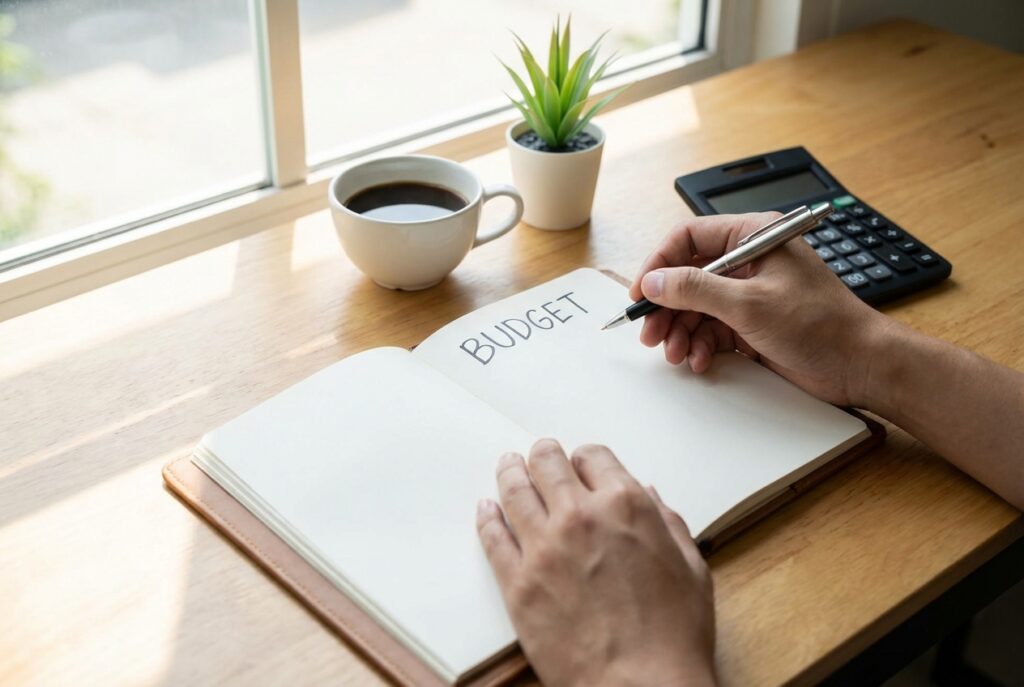
    Featured image for How to Start a Budget: First Steps to Financial Freedom
    Share
    Facebook Twitter LinkedIn Email Copy Link

    Beginner’s Guide to Budgeting: How to Take Control of Your Money

    Most people don’t fail at budgeting because they’re bad with money. They fail because they start with the wrong approach: downloading an app, inputting some numbers, and hoping for the best. Three weeks later, the app sits unopened, guilt accumulates, and nothing changes.

    I’ve watched this cycle repeat dozens of times with friends, family members, and colleagues.

    • The ones who actually transform their finances do something different.
    • They start with purpose, not spreadsheets.
    • They understand their spending patterns before trying to change them.
    • They pick a system that matches their personality, not whatever method happens to be trending.

    This beginner’s guide to budgeting isn’t about restriction or deprivation. It’s about building a framework that gives you control over where your money goes, so you can direct it toward what actually matters to you. Your first steps toward financial freedom don’t require complex software or an accounting degree.

    They require honesty about your current situation, clarity about your goals, and a willingness to experiment until you find what works.

    Advertisement

    The Foundation: Defining Your Financial Why

    Every sustainable budget starts with motivation that runs deeper than “I should be better with money.” Vague intentions crumble the moment you’re standing in a store, tired after work, justifying a purchase you don’t need. Specific, emotionally compelling reasons for budgeting create the friction that makes you pause and reconsider.

    Think about what keeps you up at night financially. Maybe it’s the anxiety of living paycheck to paycheck, knowing one car repair could send you spiraling. Perhaps it’s the frustration of watching friends go on vacation while you’re stuck paying off last year’s mistakes. Or it could be the dream of eventually buying a home, starting a business, or retiring before you’re too old to enjoy it.

    Write down your reasons. Not in a budgeting app, but somewhere you’ll actually see them:

    • A note on your bathroom mirror
    • Your phone’s lock screen
    • A card in your wallet

    When the motivation to stick with your budget wavers, these reminders pull you back.

    Setting SMART Short-Term and Long-Term Goals

    Abstract goals like “save more money” or “get out of debt” don’t work because they lack the specificity needed to create action. The SMART framework transforms wishes into plans.

    • Specific: “Pay off my $3,400 credit card balance” beats “reduce debt.”
    • Measurable: You need numbers to track progress and know when you’ve succeeded
    • Achievable: Aggressive goals that require perfection lead to burnout
    • Relevant: Goals should connect to your deeper financial why
    • Time-bound: Deadlines create urgency and allow for milestone celebrations

    Short-term goals typically span one to twelve months: building a $1,000 starter emergency fund, paying off a specific debt, or saving for a planned purchase. Long-term goals extend beyond a year: becoming completely debt-free, accumulating six months of expenses in savings, or reaching a specific investment milestone.

    Start with one short-term and one long-term goal. More than that splits your focus and dilutes your progress.

    Understanding Your Current Financial Health

    Before you can improve your finances, you need an honest assessment of where you stand. This means gathering numbers that might be uncomfortable to face.

    Pull your credit report from AnnualCreditReport.com. List every debt you owe:

    • Credit cards
    • Student loans
    • Car payments
    • Personal loans
    • Medical bills

    Note the balance, interest rate, and minimum payment for each. Calculate your total net worth by subtracting debts from assets like savings accounts, investments, and property equity.

    For many people, this exercise reveals a negative net worth. That’s okay. Knowing the actual number is infinitely better than the vague dread of not knowing. This baseline becomes your starting point for measuring progress.

    Tracking Your Income and Expenses

    You can’t manage what you don’t measure. Before creating any budget, you need at least thirty days of spending data to understand your actual habits, not the idealized version you imagine.

    The tracking method matters less than consistency.

    • You can use a spreadsheet, a dedicated app like YNAB or Mint, or even a paper notebook.
    • The goal is to capture every dollar that enters and leaves your accounts.
    • Check your bank statements for automatic payments you might have forgotten about: subscriptions, insurance, and gym memberships.

    During this tracking period, don’t try to change your behavior. Spend normally. You’re gathering intelligence, not implementing changes yet. The patterns that emerge will inform every budgeting decision that follows.

    Categorizing Fixed vs. Variable Costs

    Fixed expenses stay relatively constant each month: rent or mortgage, car payments, insurance premiums, minimum debt payments, and subscription services. These are your financial obligations, regardless of your daily choices.

    Variable expenses fluctuate based on your behavior: groceries, dining out, entertainment, gas, clothing, and personal care. These categories offer the most flexibility for adjustment.

    Create a simple two-column list:

    • Fixed costs: Mortgage/rent, utilities, insurance, car payment, minimum debt payments, subscriptions
    • Variable costs: Groceries, restaurants, entertainment, gas, shopping, and personal care

    Calculate the percentage of your income consumed by fixed costs. If it exceeds 50-60%, you may have a structural problem that budgeting alone can’t solve: you might need to reduce housing costs, refinance debt, or increase income.

    Identifying Hidden Spending Leaks

    Small, recurring expenses compound into significant amounts over time.

    • A $5 daily coffee habit costs $1,825 annually.
    • Three streaming services at $15 each drain $540 per year.

    These aren’t inherently bad purchases, but they should be conscious choices rather than forgotten autopilots.

    Review your last three months of bank and credit card statements with fresh eyes. Highlight any recurring charge you’d forgotten about. Note purchases that surprised you when you saw them listed. Look for patterns in impulsive spending: certain stores, times of day, or emotional states that trigger unnecessary purchases.

    Common leaks include:

    • Unused gym memberships
    • Overlapping streaming services
    • Subscription boxes you no longer enjoy
    • Convenience fees from ATMs or delivery services

    Eliminating just a few of these can free up $100-300 monthly without affecting your quality of life.

    Choosing the Right Budgeting Method

    No single budgeting method works for everyone. Your personality, income stability, and financial goals should determine which approach you adopt. The best budget is the one you’ll actually follow, even if it’s not the most theoretically optimal.

    Try a method for at least two months before deciding it doesn’t work. The first month of any system feels awkward and restrictive. By month two, you’ll have enough data to know whether the friction is a temporary adjustment or a fundamental incompatibility.

    The 50/30/20 Rule for Simplicity

    This method divides your after-tax income into three broad categories:

    • 50% for needs
    • 30% for wants
    • 20% for savings and debt repayment

    Its simplicity makes it ideal for budgeting beginners who feel overwhelmed by detailed tracking.

    • Needs include housing, utilities, groceries, transportation, insurance, and minimum debt payments.
    • Wants to cover dining out, entertainment, hobbies, and non-essential shopping.
    • Savings and debt repayment encompass emergency funds, retirement contributions, and extra debt payments beyond minimums.

    The 50/30/20 framework works best for people with stable incomes who want general guidance without micromanaging every category. It provides flexibility within each bucket while ensuring the fundamentals are covered.

    Advertisement

    Maximize Savings and Spend Smarter

    Try Our Free Monthly 50/30/20 Budget Calculator.
    Calculate Savings

    Zero-Based Budgeting for Maximum Control

    Zero-based budgeting assigns every dollar a specific job before the month begins. Income minus expenses should equal zero, with the difference going toward savings or debt. This method requires more effort but provides maximum control and awareness.

    At the start of each month, you allocate your expected income across detailed categories until nothing remains unassigned. When you overspend in one category, you must move money from another. This forced trade-off makes the true cost of decisions visible.

    YNAB (You Need A Budget) popularized this approach with software that simplifies the process. Zero-based budgeting works well for people who want granular control, have variable incomes, or need strict accountability to change ingrained habits.

    The Envelope System for Disciplined Spending

    The envelope system uses cash to create physical spending limits. You withdraw your budgeted amounts at the start of each month and divide the cash into labeled envelopes: groceries, dining out, entertainment, and gas. When an envelope is empty, spending in that category stops until next month.

    This method leverages the psychological pain of spending cash, which research shows feels more “real” than swiping a card. The physical limitation removes willpower from the equation: you literally cannot overspend what you don’t have.

    The envelope system works best for people who struggle with overspending on credit cards or need concrete boundaries. It’s less practical for online purchases or for paying bills electronically, so most people use a hybrid approach: cash envelopes for discretionary spending and digital tracking for fixed expenses.

    Building Your First Budget Draft

    With your spending data collected and a method selected, you’re ready to create your first budget. Approach this as a draft, not a final document. Your first budget will be wrong. That’s expected and fine.

    Start with your monthly take-home income. If your income varies, use the average of your lowest three months from the past year. This conservative estimate prevents planning based on money you might not receive.

    Prioritizing Essential Needs and Debt

    Your first budget dollars must cover non-negotiables: housing, utilities, food, transportation, and minimum debt payments. These categories get funded before anything else, regardless of which budgeting method you choose.

    List your essential expenses in order of consequence for non-payment:

    1. Housing (eviction/foreclosure risk)
    2. Utilities (service disconnection)
    3. Food (basic nutrition)
    4. Transportation (ability to work)
    5. Insurance (legal requirements and protection)
    6. Minimum debt payments (credit damage and collection)

    If your income doesn’t cover these essentials, you have an income problem, a housing problem, or both. No budgeting method can solve a fundamental math problem. You may need to explore increasing income through overtime, side work, or job changes, or reducing fixed costs through moving, refinancing, or negotiating bills.

    Allocating Funds for an Emergency Buffer

    Before aggressively paying off debt or investing, build a starter emergency fund of $1,000-$2,000. This buffer prevents small emergencies from derailing your entire financial plan and sending you back into debt.

    Once you have this starter fund, you can decide whether to focus on paying down debt or building a larger emergency reserve. Most financial experts recommend eliminating high-interest debt before building beyond the starter fund, since credit card interest typically exceeds what you’d earn on savings.

    Your emergency fund belongs in a separate savings account, ideally at a different bank than your checking account. The slight inconvenience of transferring money creates a pause that prevents impulsive spending of your safety net.

    Maintaining Momentum and Adjusting for Success

    Creating a budget takes an afternoon. Following it takes months of consistent attention and adjustment. The maintenance phase is where most people fail, usually because they expect perfection and quit after the first mistake.

    Your budget is a living document that should evolve with your circumstances. Income changes, unexpected expenses arise, and priorities shift. A budget that worked in January might need significant revision by June.

    Reviewing Your Progress Weekly

    Set a specific time each week for a budget review: Sunday evening works well for many people. During this 15-20 minute session, you’ll compare actual spending against your plan, identify categories trending over budget, and make adjustments before small problems become large ones.

    Weekly reviews also provide regular wins that maintain motivation. Seeing your emergency fund grow by $50 each week, or watching a debt balance decline, reinforces the behaviors that created those results.

    Keep your reviews simple:

    • What did I spend this week?
    • Am I on track in each category?
    • What adjustments do I need for next week?
    • What went well that I should continue?

    Automating Savings to Reduce Friction

    Willpower is a limited resource. Every time you manually transfer money to savings, you’re using willpower that could deplete before the transfer happens. Automation removes the decision entirely.

    Set up automatic transfers from checking to savings on payday, before you have a chance to spend the money. Start small if necessary: even $25 per paycheck builds the habit. Increase the amount gradually as your budget stabilizes.

    Automate bill payments for fixed expenses to avoid late fees and reduce the mental load of tracking due dates. Keep a buffer in your checking account to prevent overdrafts if payment timing varies slightly.

    Overcoming Common Budgeting Hurdles

    Every person who successfully budgets has faced setbacks. The difference between those who succeed and those who quit is how they respond to inevitable challenges.

    Irregular income makes budgeting harder but not impossible. Budget based on your lowest expected month, and treat higher-income months as opportunities to accelerate savings or debt payoff. Build a larger buffer in your checking account to smooth out income fluctuations.

    Unexpected expenses will occasionally blow your budget. Car repairs, medical bills, and home maintenance don’t care about your spreadsheet. This is why emergency funds exist. When you use your emergency fund, temporarily pause other financial goals and rebuild it before resuming them.

    Budget fatigue hits everyone eventually. The initial excitement of taking control fades, replaced by the tedium of tracking and restricting. Combat this by celebrating milestones, reviewing your financial why regularly, and giving yourself permission to spend guilt-free within your planned categories.

    Partner disagreements about money require communication and compromise. Schedule regular money conversations, focus on shared goals rather than individual blame, and consider maintaining some individual discretionary spending that each person controls without justification.

    Advertisement

    Frequently Asked Questions

    How long does it take to see results from budgeting?

    Most people notice reduced financial stress within the first month, simply from the clarity of knowing where their money goes. Tangible results, such as debt reduction or savings growth, typically become visible within three to six months of consistent budgeting. Major milestones like fully funded emergency funds or paid-off credit cards usually take one to two years, depending on your starting point and income.

    What percentage of my income should I save?

    The common recommendation is 20% of take-home pay, but this isn’t immediately realistic for everyone. If you’re starting from zero savings and carrying debt, begin with whatever amount you can consistently maintain, even if it’s just 5%. Increase gradually as you pay off debt and your income grows. Something saved consistently beats an ambitious target you abandon after two months.

    Should I pay off debt or build savings first?

    Build a starter emergency fund of $1,000-2,000 first, then focus on high-interest debt. Without any emergency buffer, unexpected expenses force you back into debt, erasing your progress. Once you have the starter fund, the math favors paying off debt with interest rates above 7-8% before building additional savings, since you’re unlikely to earn returns that exceed those interest costs.

    How do I budget with a variable income?

    Base your budget on your lowest reasonable monthly income from the past year. In months when you earn more, allocate the excess to savings, debt payoff, or building a larger checking account buffer. Some people find it helpful to pay themselves a consistent “salary” from a buffer account, smoothing out income fluctuations. The key is avoiding the trap of spending based on your best months and struggling during lean ones.


    Affiliate Best Budgeting Tips budgeting tips Financial Goals Financial Literacy Investing Tips savings goal
    Share. Facebook Twitter LinkedIn Email Copy Link
    Previous ArticleHow to Invest in S&P 500 Index Funds in 5 Steps
    Next Article 7 Steps to Create a Budget You’ll Actually Stick To in 2026
    Thomas Tan

    Thomas Tan is a Personal Finance Writer and Financial Content Strategist with over 10 years of experience helping individuals make smarter financial decisions. He specializes in topics such as budgeting, debt management, saving strategies, and financial behavior, translating complex financial concepts into clear, actionable guidance. His work focuses on empowering readers to build sustainable financial habits and confidently navigate their financial lives, combining data-driven insights with practical, real-world advice.

    More Like This

    Lost Checkbook? What to Do Immediately to Protect Your Bank Account

    By Thomas TanApril 25, 2026

    Can Someone Steal Money With Your Routing Number? Risks and How to Protect Yourself

    By Thomas TanApril 25, 2026

    Fake Check Scams Explained: What Happens If You Deposit One and How to Recover

    By Thomas TanApril 25, 2026
    Helpful Resources

    Lost Checkbook? What to Do Immediately to Protect Your Bank Account

    April 25, 2026

    Can Someone Steal Money With Your Routing Number? Risks and How to Protect Yourself

    April 25, 2026

    Fake Check Scams Explained: What Happens If You Deposit One and How to Recover

    April 25, 2026

    Check Washing Scams: How to Protect Your Checking Account From Fraud

    April 23, 2026

    Financial Clarity. Everyday Confidence.

    Facebook X (Twitter) YouTube LinkedIn
    Calculators

    Emergency Fund Calculator

    Compound Interest Calculator

    Interest Rate Calculator

    Net Worth Calculator

    Mortgage Calculator

    How Much Home Can I Afford

    Debt-to-Income Ratio Calculator

    Cost of Living Calculator

    Savings Calculator

    Savings Goal Calculator

    Monthly Budget Calculator

    Latest Resources

    Lost Checkbook? What to Do Immediately to Protect Your Bank Account

    April 25, 2026

    Can Someone Steal Money With Your Routing Number? Risks and How to Protect Yourself

    April 25, 2026

    Fake Check Scams Explained: What Happens If You Deposit One and How to Recover

    April 25, 2026

    Check Washing Scams: How to Protect Your Checking Account From Fraud

    April 23, 2026
    About & Legal

    About Amppfy

    Editorial Policy

    EULA

    Terms of Use

    Acceptable Use Policy

    Privacy Policy

    Cookie Policy

    Disclaimer

    Do Not Sell or Share My Personal Information

    Acceptable Use Policy

    Disclaimer: Amppfy is committed to keeping its information transparent, accurate, and up-to-date. The information on Amppfy is provided for educational and informational purposes only and should NOT be considered financial, investment, tax, or legal advice. You should consult a qualified financial professional before making any financial decisions. This information may differ from what you find on the specific product or service provider’s website. All information, content, software, tools, products, or services on Amppfy are presented without warranty or guarantee. Please review the specific provider’s terms and conditions when evaluating products or services. By accessing Amppfy or using our AI generator tools, you acknowledge that you have read, understood, and agreed to our EULA, Terms of Use, Acceptable Use Policy, Privacy Policy, Cookie Policy, and Disclaimer. Amppfy.com uses cookies. For more information, visit Amppfy’s Cookie Policy. Amppfy may be compensated through third-party advertisers and affiliates. For more information, visit Amppfy’s Disclaimer.

    Copyright© 2026 Amppfy | All Rights Reserved

    Type above and press Enter to search. Press Esc to cancel.

    Advertiser Disclosure: Products may include affiliate links related to financial products or services. We may earn a commission at no additional cost to you. Our content remains independent and focused on helping you make informed financial decisions.
    Fact Checked
    Financial Disclaimer

    This content is for informational and educational purposes only and should not be considered financial advice. Personal finance decisions—including budgeting, saving, investing, credit, mortgages, taxes, and debt management—depend on your individual circumstances. Always consult a qualified financial professional before making financial decisions.

    Editorial Standards and Content Integrity

    Our editorial process ensures accuracy, clarity, and trust across all personal finance topics, including budgeting, saving, investing, and debt management. Content is created using credible sources such as government agencies, academic research, and established financial institutions, and may incorporate insights from industry experts when relevant. Each article is reviewed for accuracy, timeliness, and relevance before publication and updated as needed to reflect changes in financial guidelines and best practices, with the goal of providing clear, evidence-based information to help readers make informed financial decisions.

    Learn more about our editorial policy and guideline.