
Close Menu

    Subscribe to Updates

    Get the latest creative news from FooBar about art, design and business.

    What's Hot

    Hyatt’s Award Chart Changes Are Now Live; I’m Not Panicking

    June 27, 2026

    Hyatt’s Devaluation Isn’t the Disaster It Looked Like

    June 27, 2026

    Airbnb Expands Hotel Push With Price Match, Bigger Rebates

    June 27, 2026
    Facebook X (Twitter) Instagram
    Amppfy
    • Personal Finance
      • Money Basics
        • How to Master Money Management
        • Psychology of Money Habits
        • How to Set Financial Goals
        • Money Management for Every Life Stage
        • Beyond Budgeting: Advanced Money Skills
        • Financial Literacy
        • Money Management
        • Know Your Money
        • Cash Flow
      • Financial Wellness
        • Understand Your Money Relationship
        • Build a Healthy Money Mindset
        • 7 Money Tips for Financial Freedom
        • Take the Money Health Quiz
        • Monthly Financial Reviews
        • Money Habits
        • Money Mindset
        • Financial Goals
        • Financial Independence
      • Side Hustles & Extra Income
        • 8 Realistic Side Hustles
        • How to Make Money Online
        • Passive Income Ideas That Work
        • Passive Income 101: Ideas That Scale
        • Spot a Bad Passive Income Deal
        • Start Freelance Writing: First $1,000
        • Budgeting with Irregular Income
        • Side Hustle Ideas
        • Passive Income
        • Gig Economy
      • Major Money Decisions
        • Plan a Major Purchase Without Debt
        • Car Buying: Save, Finance, or Lease?
        • Used Car Buying & Negotiation Tips
        • What to Save For vs. Finance
        • Life Insurance 101: Coverage Needs
        • Term vs. Whole Life Insurance
        • Buying a Car
        • Major Purchase Planning
        • Home Improvement
        • Life Insurance
      • Money Tools & Calculators
        • Net Worth Calculator
        • Cost of Living Calculator
        • Compound Interest Calculator
        • Monthly Budget Calculator
        • Savings Goal Calculator
        • Emergency Fund Calculator
        • Savings Calculator
        • Do Money Management Tools Work?
        • Spend Tracking
        • Net Worth
    • Savings
      • Budgeting Tips
        • The 50/30/20 Rule Explained
        • How to Make a Monthly Budget
        • How to Budget Money in 5 Steps
        • The Envelope Method Explained
        • Best Budgeting Apps Compared
        • Common Budgeting Mistakes
        • Budgeting for Couples
        • Start a Budget
        • Budget Methods
        • 50/30/20 Budgeting
      • Ways to Save
        • Save $500 This Month
        • 14 Ways to Cut Monthly Expenses
        • How to Save Money on Groceries
        • Lower Your Utility Bills
        • Budget Swaps for Big Purchases
        • Save Money on Car Insurance
        • Cut Expenses
        • Groceries Savings
        • Smart Saving Strategies
      • Emergency Fund
        • How Much Emergency Fund to Save
        • How to Build an Emergency Fund
        • Start a Rainy Day Fund
        • Sinking Funds vs. Emergency Fund
        • Emergency Fund Essentials
        • Where to Keep Your Emergency Fund
        • Best Emergency Fund Tips
        • Emergency Savings
        • Emergency Buffer
      • Savings Goals & Plans
        • How to Create a Savings Plan
        • How to Set Savings Goals
        • Track Spending Without Spreadsheets
        • 529 College Savings on a Budget
        • Saving During a Recession
        • Budget a Debt-Free Vacation
        • Vacation Budgeting
        • Family Budgeting
        • Savings Goals
        • Recession Saving
      • Savings Tools & Planning
        • Budget Calculator
        • Savings Goal Calculator
        • Emergency Fund Calculator
        • Savings Calculator
        • Compound Interest Calculator
        • Savings Buckets
        • Sinking Funds
        • Maximize Your Savings
        • Savings Tips
        • Savvy Saver
    • Debt
      • Get Out of Debt
        • Debt Snowball vs. Avalanche
        • Pay Off Credit Card Debt Fast
        • Beginner’s Credit Card Payoff Plan
        • Build a Debt Payoff Calendar
        • Use Windfalls to Crush Debt
        • Debt Free Journey
        • Debt Payoff
        • Credit Card Debt
      • Student & Auto Loans
        • Student Loans 101
        • Get Out of Student Loan Debt
        • Income-Driven Repayment Plans
        • Best Student Loan Repayment Option
        • Auto Loans: Shop & Save on Interest
        • Pay Off Your Auto Loan Early
        • Student Loans
        • Auto Loans
        • Auto Loan Debt
      • Debt Consolidation
        • Debt Consolidation Pros & Cons
        • Is Consolidating Debt Right for You?
        • Balance Transfers to Pay Off Debt
        • HELOC to Pay Off Credit Cards
        • 401(k) Rollover to Pay Down Debt
        • How to Refinance a Personal Loan
        • Before You Take a Personal Loan
        • Personal Loans
        • Personal Loan Refinance
      • Managing Debt
        • Navigating Medical Debt
        • Budgeting with a High-Interest Loan
        • Build a Debt-Repayment Fund
        • Debt Payoff for Single Parents
        • Save for a Wedding Without Debt
        • Medical Debt
        • Single Parent Debt
        • Personal Loan Debt
      • Debt Relief & Protection
        • When Bankruptcy Is an Option
        • Avoid Predatory Lenders & Scams
        • Negotiate with Creditors: Scripts
        • Budgeting Around Wage Garnishment
        • Debt Relief
        • Bankruptcy
        • Creditor Negotiation
        • Predatory Lenders
        • Wage Garnishment
    • Credit
      • Credit Scores
        • Credit Score 101
        • Check & Improve Your Credit Score
        • Credit Utilization: A Simple Fix
        • Check Your Credit Score Free
        • Rebuild Credit After a Setback
        • How Credit Scores Are Calculated
        • What Credit Scores Mean
        • Credit Health
      • Credit Reports
        • Read & Dispute Your Credit Report
        • Dispute Template That Works
        • How Long Negative Marks Last
        • Remove Negative Items
        • What to Expect as Items Age Off
        • Understanding Credit Utilization
        • Credit Basics
        • Checking Your Credit Score
      • Building Credit
        • Best Starter Credit Cards
        • Secured vs. Unsecured Cards
        • Secured Cards & Credit-Builder Loans
        • Build Credit as a Gig Worker
        • Boost Your Score Before a Mortgage
        • Borrow Now vs. Wait
        • Build Credit
        • Credit Cards for Beginners
        • Credit for Gig Workers
      • Credit Cards
        • Best Rewards Credit Cards
        • Credit Card Hacks: Intro APRs
        • Balance Transfers Explained
        • Earn Rewards Without Debt
        • Responsible Card Use & Rewards Tips
        • Lost or Stolen Card: What to Do
        • Credit Card Rewards
        • Balance Transfer Cards
      • Credit Protection & Safety
        • Identity Theft Checklist
        • Truth About Credit Freezes
        • How to Freeze & Thaw Your Credit
        • Credit Monitoring vs. Freezes
        • Credit Protection
        • Credit Freeze
        • Fraud Awareness
        • Financial Safety
    • Investing
      • Start Investing
        • Investing 101: Beginner’s Guide
        • Start Investing with $100
        • Start with $50/Month
        • Scared of the Market? Start Here
        • Open a Brokerage Account
        • Invest While Paying Down Debt
        • How to Start Investing
        • Start with Little Money
        • Fear of Investing
      • Investing Strategy
        • Roth IRA vs. Traditional IRA
        • Dollar-Cost Averaging Explained
        • DCA vs. Lump-Sum Investing
        • 5 Simple Starter Portfolios
        • Asset Allocation Beyond 60/40
        • How to Rebalance Your Portfolio
        • Diversify Your Portfolio
        • Investing Mistakes to Avoid
        • Investment Strategies
        • Diversification
      • Stocks
        • How the Stock Market Works
        • How to Make Money in Stocks
        • How to Read Stock Charts
        • Analyze Stocks in 5 Steps
        • P/E Ratio for Beginners
        • Bullish vs. Bearish Explained
        • How Stock Trading Works
        • Stock Market Basics
        • Stock Analysis
        • Stock Trading Strategies
      • Funds & Wealth Building
        • Beginner’s Guide to Index Funds
        • Best S&P 500 Index Funds
        • Mutual Funds vs. ETFs
        • How to Invest in ETFs
        • Dividend Investing for Beginners
        • Build a Dividend Income Stream
        • Maximize Your 401(k) Match
        • Build a Retirement Portfolio
        • Index Funds
        • Dividend Investing
      • Brokerages & Platforms
        • Vanguard vs. Fidelity
        • Fidelity vs. Schwab
        • Robinhood vs. E*Trade
        • Robo-Advisors vs. Human Advisors
        • Robo-Advisor or DIY Investing?
        • How Brokerage Fees Affect Returns
        • Manage Multiple Brokerage Accounts
        • Brokerages
        • Investment Platforms
        • Robo Advisors
    • Home
      • Home Buying
        • First-Time Homebuyer Checklist
        • How Much Down Payment You Need
        • How Much Home Can You Afford?
        • Renting vs. Buying
        • True Costs of Homeownership
        • Qualify as a First-Time Buyer
        • Buying a Fixer-Upper
        • First-Time Home Buyer
        • Home Affordability
      • Mortgage
        • First-Time Buyer’s Mortgage Guide
        • Fixed vs. Adjustable Mortgage
        • How to Refinance a Mortgage
        • Mortgage Payoff Strategies
        • Winning in a High-Rate Market
        • Mortgage Amortization Calculator
        • Down Payment Assistance Programs
        • Mastering Refinance Rate Locks
        • Mortgage Rates
        • Mortgage Refinance
        • Debt-to-Income Calculator
      • Real Estate Investing
        • Real Estate Crowdfunding Platforms
        • Rental Property Cash Flow
        • REITs for Passive Income
        • REITs vs. Direct Ownership
        • Fix-and-Flip Opportunities
        • Airbnb & Short-Term Rental ROI
        • Buying a Multi-Family Property
        • 1031 Exchange to Defer Taxes
        • Real Estate Investing
        • Rental Property
      • Home Insurance
        • Homeowners Insurance Guide
        • Compare Home Insurance Quotes
        • Best Home Insurance Companies
        • Choose Your Deductible
        • Renters vs. Homeowners Insurance
        • File a Property Insurance Claim
        • Home Insurance Coverage Basics
        • Home Insurance Rates
        • Home Insurance Claims
      • Home Equity & Ownership
        • Smart Ways to Use Home Equity
        • Save for a Down Payment
        • Down Payment Strategies
        • Estimate Property Appreciation
        • Home Equity
        • HELOC Payoff Strategy
        • Home Down Payment
        • Home Ownership
        • Home Renovation
    • Bank
      • Banking Basics
        • Open Your First Bank Account
        • Online Banks vs. Traditional Banks
        • How to Avoid Bank Fees
        • How to Switch Banks
        • Read Your Bank Statement
        • Second-Chance Checking Accounts
        • Get Better Rates from Your Bank
        • Banking Basics
        • How to Choose a Bank
        • Compare Banks
      • Checking Accounts
        • Best Checking Accounts
        • Choose the Right Checking Account
        • Overdraft Protection Guide
        • Stop Paying Overdraft Fees
        • The True Cost of Checking Fees
        • Mobile Check Deposits
        • How Long Checks Take to Clear
        • Checking Accounts
        • Best Checking Account
      • Savings Accounts & CDs
        • High-Yield Savings Explained
        • Best High-Yield Savings Account
        • Savings Accounts vs. CDs
        • What Is a CD?
        • Money Market vs. Savings Account
        • HYSA vs. Treasury Bills
        • How Savings Interest Is Calculated
        • Savings Account Minimum Balances
        • Savings Account
      • Bank Smarter
        • Top Banks for High-APY Savings
        • How Much Cash in Each Account
        • How Many Savings Accounts to Have
        • Managing Multiple Bank Accounts
        • Where to Put Your Money
        • When to Save vs. When to Invest
        • Savings Account Fees to Avoid
        • Banking Tips
        • Digital Banking
      • Banking Safety & Security
        • Set Up Bank Account Alerts
        • Avoid Check Scams
        • Missing Debit Card: Next Steps
        • When to Stop a Check Payment
        • Bank Fees
        • Debit Cards
        • Joint Bank Accounts
        • Banking How-To Guides
    • Tax
      • Tax Filing
        • Tax Filing for Beginners
        • How to File Freelance Taxes
        • Choose the Right Tax Software
        • Change Withholding Mid-Year
        • Handling Back Taxes
        • Year-End Tax Checklist
        • How to File Taxes
        • Tax Filing Basics
        • Tax Tips
      • Deductions & Credits
        • Tax Deductions 101
        • Tax Credits vs. Deductions
        • Child Tax Credit Explained
        • Child & Dependent Care Credit
        • Claim the Saver’s Credit
        • Moving Expense Deductions
        • Tax Deductions
        • Tax Credits
        • Child Tax Credits
      • Tax Strategy
        • Avoid Audit-Triggering Mistakes
        • Capital Gains Taxes Explained
        • IRA Tax Rules
        • Tax Basics for New Investors
        • Minimize Taxes for Your Heirs
        • Capital Gains Taxes
        • Retirement Taxes
        • Adjusted Gross Income
      • Tax Savings
        • Use an HSA to Lower Your Tax Bill
        • HSA: The Triple Tax Advantage
        • 529 Plans for Education Savings
        • Max the Match, Then What?
        • Tax Savings
        • Tax Refunds
        • Tax Bill
        • HSA
      • Gig & Life Situation Taxes
        • Freelancer & Gig Worker Taxes
        • Side-Gig Income & Your Taxes
        • Tax Strategies for Side Hustles
        • Taxes for Life Situations
        • Freelance Taxes
        • Gig Work Taxes
        • Child Tax
        • Dependent Care Credit
    Amppfy
    Home » Banking » Stay Safe from Check Scams: Learn to Recognize and Avoid Fake Checks
    Banking

    Stay Safe from Check Scams: Learn to Recognize and Avoid Fake Checks

    Learn how to recognize and avoid fake checks with tips on identifying common scams, verifying checks, and taking preventive measures to protect your finances.
    Thomas T.By Thomas T.August 17, 2025Updated:September 30, 20259 Mins Read
    Facebook Twitter LinkedIn Email Copy Link
    Stay Safe from Check Scams: Learn to Recognize and Avoid Fake Checks
    Share
    Facebook Twitter LinkedIn Email Copy Link

    Checks still move money, even in an increasingly digital world, and that makes them a target. Scammers have become more sophisticated, mixing old tricks with new technology to produce convincing fake checks or to manipulate victims into depositing funds that will later bounce. Understanding the common schemes, spotting the giveaways, and knowing how to respond are the best defenses against losing money or having a banking account compromised.

    Common Check Fraud Scams

    Several recurring scams use checks as bait. Overpayment scams are frequent: a buyer sends a check for more than the agreed price and asks the seller to refund the difference. The check later bounces, and the seller is left owing the refunded amount. Another common trick is job or mystery-shopping fraud. A company sends a check to someone who is trying to get a job or shopping for a job. The company asks for part of the check to be sent back or wired to another company.

    Watch out: Scammers Use Fake Checks for Prize or Refund Scams

    Fake prize or refund checks are common, too. Scammers contact people with claims of winning a contest or being owed a refund and include a fake check, urging immediate deposit to claim the money. Romance scams sometimes involve checks, with the scammer sending money and then requesting cash transfers or purchases. All these scams rely on the victim acting before the check is verified by the bank.

    New Tech Makes Fake Checks Hard to Spot for Consumers

    In addition, counterfeit check scams continue to evolve with technology. Scammers can produce highly realistic fake checks using advanced printing techniques, making detection difficult for the untrained eye. These counterfeit checks often look like they come from reputable banks or well-known companies, increasing their perceived legitimacy. They may also include fake bank routing numbers that look like they are real for a short time. This can make it take longer to find out until the money is finally taken out.

    Advertisement

    Detect and Stop Email Scams: Keep Your Finances Safe

    Another type of scam is to hack or change emails from real businesses and send fake checks to suppliers or workers. This approach uses existing trust relationships and can cause significant financial losses before the fraud is uncovered. Understanding these complex tactics is essential for both individuals and businesses to recognize red flags and implement safe banking practices.

    Types of Check Fraud Schemes

    Check fraud can be categorized into several types beyond overpayment and prize scams. Counterfeit checks are produced to look like legitimate bank-issued checks or cashier’s checks. Altered checks involve changing the payee or dollar amount on a real check. Forged checks occur when someone signs a check without permission. There’s also check kiting, where funds are floated between accounts to create the illusion of available balances using delays in check clearing.

    Safeguard Your Account from Advanced Check Scams Know the Tactics and Stay Secure

    Another scheme uses business or payroll checks: scammers intercept mailings, reroute payroll, or use lookalike business checks to divert funds. Advanced attacks combine social engineering with technology. They use fake emails or phone calls to get people to deposit a check, then tell them to withdraw money or send money. Knowing how these schemes differ helps determine the right verification and response steps.

    Watch out for Paper Conversion and Wash Check Scams Fraudsters use electronic payments to trick and steal

    Some fraudsters also use the idea of paper conversion fraud. This is where real electronic payments are changed into paper checks without permission, allowing them to intercept and cash those checks. There is also the “wash check” scam, where a legitimate check is chemically treated to erase the ink, then rewritten for a higher amount. These sophisticated methods require scrutiny and often specialized training for bank employees and customers alike to detect subtle signs of tampering or control.

    Banks and Consumers Use Tech to Beat Scammers

    New technologies have brought new problems. For example, scammers can deposit fake checks on smartphones before banks find the fraud. Many places now use multiple ways to log in and use artificial intelligence systems to look at check images and transaction patterns. They want to find problems before they happen. Staying informed about evolving fraud tactics is critical for both consumers and financial institutions to safeguard assets effectively.

    Recognizing Signs of Fraudulent Checks

    Visual and contextual signs can reveal a fraudulent check. Look for poor print quality, smudged ink, uneven fonts, or incorrect bank logos. Pay attention to routing and account numbers. If the numbers are too short or long, there is not enough space, or they are not in the same font, they can show that someone has changed them. Watermarks on official checks may be missing, misaligned, or printed rather than embedded.

    Red Flags: Watch for Odd Behavior with Unexpected Checks

    Behavior around the check is telling, too. Pressure to deposit and then quickly return or transfer money is a red flag. If the sender provides a sob story, insists on secrecy, or refuses standard verification, treat the check with suspicion. Unexpected checks — especially those tied to online classifieds, selling platforms, or job offers that seem too good — deserve extra scrutiny before any action is taken.

    Steps to Identify a Fake Check

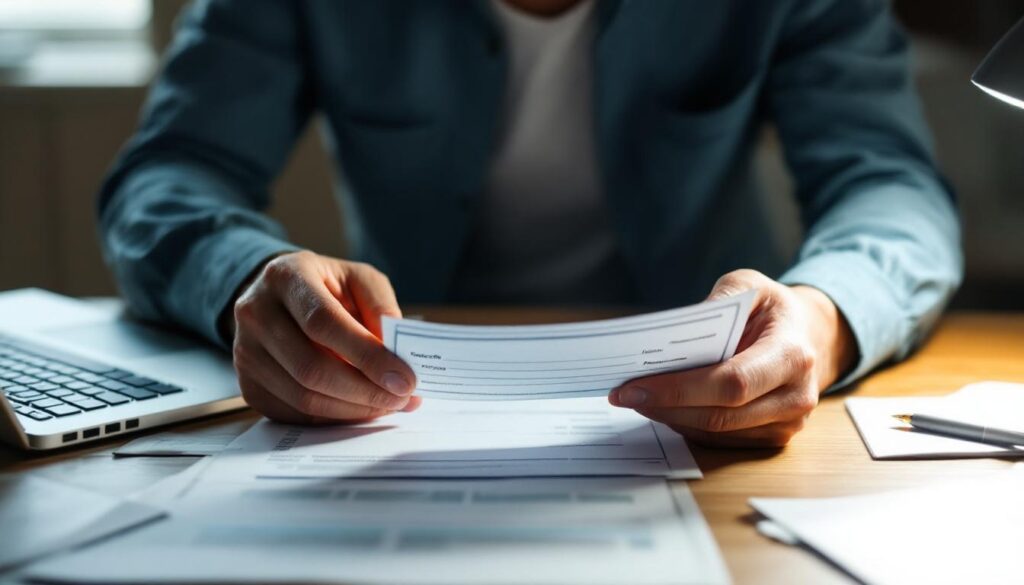
    Start by examining the physical attributes in a good light. Hold the check up to the light to look for watermarks or embedded fibers. Compare the check to others from the same institution, if possible, paying attention to paper weight and texture. Check the routing number using a reliable database or the bank’s official website. The routing numbers should match the bank and the expected location.

    Advertisement

    Contact the bank that issued the check directly. Use phone numbers from its website or printed on a bank statement that you can trust. Don’t use the number on the check.hether the check’s account number and check number are valid and whether the amount clears. Banks may not give you all the information you want because they don’t want to share your privacy. But they can tell you if a check is real or if the account has been flagged. Additionally, confirm the issuer’s identity via independent channels when a stranger is involved.

    Inspecting Check Features

    Banks and legitimate check printers use features that are hard to mimic. Look for microprinting, which appears as a thin line or tiny text that blurs or becomes unreadable when photocopied. Security threads, heat-sensitive ink, and color-shifting inks add another layer of protection. Many cashier’s checks and official bank documents incorporate embedded holograms or special fibers that glow under UV light.

    Examine the endorsement area on the back. Real checks will show clear, consistent machine printing and routing marks indicating processing history. If the back of the check is unusually blank, has visible corrections, or shows pasted-on support strips, treat it suspiciously. High-quality scans of real checks can trick the eye, so combining physical inspection with phone verification and processing delays is the safest approach.

    Questioning the Check’s Origin

    Ask clear questions about where the check came from and why it was sent. If the check is from a buyer met online, request alternative payment methods like verified payment platforms or escrow services. For employers, verify company details, tax identity numbers, and references. If the check arrives unexpectedly, contact the sender with a safe phone number or email address you have gotten yourself. Don’t use the contact information in the suspicious letter.

    Check the postmark and mailing information. Scammers sometimes use cross-country addresses inconsistent with the supposed origin. If a check claims to be from a bank branch, verify the branch location and whether that branch issues the kind of check received. When selling items online, be careful with buyers who say they paid more than they expected or offer to pay for shipping with a check. These are common signs to ask carefully.

    Precautions to Prevent Check Fraud

    Adopt routines that reduce vulnerability. Deposit checks in person at a known bank branch instead of at unfamiliar ATMs, and keep the payee line filled with the recipient’s name to prevent alteration. Avoid writing blank checks or leaving removable supports on checks that could be stolen and altered. Regularly monitor bank statements and set up alerts for large deposits or account changes to spot unauthorized activity quickly.

    Use secure communication channels and avoid sending checks or bank details via public Wi-Fi. Shred old checks and statements before disposal to thwart dumpster divers. For businesses, implement dual-signature policies, positive pay systems, and reconciliation practices that cross-check issued checks against cleared items. Training staff to recognize red flags and maintaining written procedures for deposit verification can prevent many common scams.

    Advertisement

    Avoiding Early Cashing of Checks

    Resist pressure to cash a check immediately, especially when asked to return funds or send money elsewhere. Banks may credit deposited funds within a day or two, but that does not mean the check has been fully cleared. Banks can reverse provisional credits if a check bounces days or weeks later. the depositor remains responsible for the amount. Waiting several business days and confirming funds availability reduces the risk of a costly reversal.

    Before spending a large deposit, confirm with the issuing bank that the check has cleared and funds are irrevocably available. When selling items or doing transactions with new people, use payment methods that show the transaction is complete. These methods include bank transfers that have been verified. Cashier checks that have been phoned in, or secure payment platforms have been confirmed. If an urgent refund is requested after a deposited check, verify the initial deposit cleared before issuing anything back.

    Reporting Suspicious Activity to Authorities

    If a fraudulent check is identified, report it quickly. Call the bank that was supposed to be used and report fraud with the local branch. This starts a paper trail and may stop more illegal activity. File a police report to record the crime. Many banks and consumer protection agencies need a police report when trying to get money back. Keep copies of all communications, the check itself, and any related documentation for investigators.

    Report the incident to national fraud hotlines and consumer protection agencies so the case can be tracked and used to warn others. For businesses, tell corporate fraud departments, payment processors, and insurance providers. Sharing details with online platforms where the interaction began can help remove scams and protect other users. Quickly reporting suspicious checks increases the chances of recovery and helps authorities disrupt broader scam operations.


    Checking Checking Account Financial Safety Fraud Awareness
    Share. Facebook Twitter LinkedIn Email Copy Link
    Previous ArticleHow to Build an Emergency Fund: Tips for Saving Money
    Next Article Understanding the Time It Takes for a Check to Clear
    Thomas T.

    Thomas is a Personal Finance Writer and Financial Content Strategist with over 10 years of experience helping individuals make smarter financial decisions. He specializes in topics such as budgeting, debt management, saving strategies, and financial behavior, translating complex financial concepts into clear, actionable guidance. His work focuses on empowering readers to build sustainable financial habits and confidently navigate their financial lives, combining data-driven insights with practical, real-world advice.

    More Like This

    From CDs to Treasurys, What Happens to Yields When Rates Are Cut?

    By Thomas T.June 27, 2026

    Does Renters Insurance Cover Theft?

    By Thomas T.June 27, 2026

    How to Freeze and Unfreeze Your Credit: Video and Guide

    By Thomas T.June 27, 2026
    Helpful Resources

    From CDs to Treasurys, What Happens to Yields When Rates Are Cut?

    June 27, 2026

    Does Renters Insurance Cover Theft?

    June 27, 2026

    How to Freeze and Unfreeze Your Credit: Video and Guide

    June 27, 2026

    Survey: Banking Misconceptions are Commonplace

    June 27, 2026

    Financial Clarity. Everyday Confidence.

    Facebook X (Twitter) YouTube LinkedIn
    Calculators

    Emergency Fund Calculator

    Compound Interest Calculator

    Interest Rate Calculator

    Net Worth Calculator

    Mortgage Calculator

    How Much Home Can I Afford

    Debt-to-Income Ratio Calculator

    Cost of Living Calculator

    Savings Calculator

    Savings Goal Calculator

    Monthly Budget Calculator

    Latest Resources

    Hyatt’s Award Chart Changes Are Now Live; I’m Not Panicking

    June 27, 2026

    Hyatt’s Devaluation Isn’t the Disaster It Looked Like

    June 27, 2026

    Airbnb Expands Hotel Push With Price Match, Bigger Rebates

    June 27, 2026

    The Guide to Citi Strata Elite’s Travel Insurance Benefits

    June 27, 2026
    About & Legal

    About Amppfy

    Editorial Policy

    EULA

    Terms of Use

    Acceptable Use Policy

    Privacy Policy

    Cookie Policy

    Disclaimer

    Do Not Sell or Share My Personal Information

    Acceptable Use Policy

    Disclaimer: Amppfy is committed to keeping its information transparent, accurate, and up-to-date. The information on Amppfy is provided for educational and informational purposes only and should NOT be considered financial, investment, tax, or legal advice. You should consult a qualified financial professional before making any financial decisions. This information may differ from what you find on the specific product or service provider’s website. All information, content, software, tools, products, or services on Amppfy are presented without warranty or guarantee. Please review the specific provider’s terms and conditions when evaluating products or services. By accessing Amppfy or using our AI generator tools, you acknowledge that you have read, understood, and agreed to our EULA, Terms of Use, Acceptable Use Policy, Privacy Policy, Cookie Policy, and Disclaimer. Amppfy.com uses cookies. For more information, visit Amppfy’s Cookie Policy. Amppfy may be compensated through third-party advertisers and affiliates. For more information, visit Amppfy’s Disclaimer.

    Copyright© 2026 Amppfy | All Rights Reserved

    Type above and press Enter to search. Press Esc to cancel.

    Advertiser Disclosure: Products may include affiliate links related to financial products or services. We may earn a commission at no additional cost to you. Our content remains independent and focused on helping you make informed financial decisions.
    Fact Checked
    Financial Disclaimer

    This content is for informational and educational purposes only and should not be considered financial advice. Personal finance decisions—including budgeting, saving, investing, credit, mortgages, taxes, and debt management—depend on your individual circumstances. Always consult a qualified financial professional before making financial decisions.

    Editorial Standards and Content Integrity

    Our editorial process ensures accuracy, clarity, and trust across all personal finance topics, including budgeting, saving, investing, and debt management. Content is created using credible sources such as government agencies, academic research, and established financial institutions, and may incorporate insights from industry experts when relevant. Each article is reviewed for accuracy, timeliness, and relevance before publication and updated as needed to reflect changes in financial guidelines and best practices, with the goal of providing clear, evidence-based information to help readers make informed financial decisions.

    Learn more about our editorial policy and guideline.
