How to Open a Bank Account Online in 10-15 Minutes
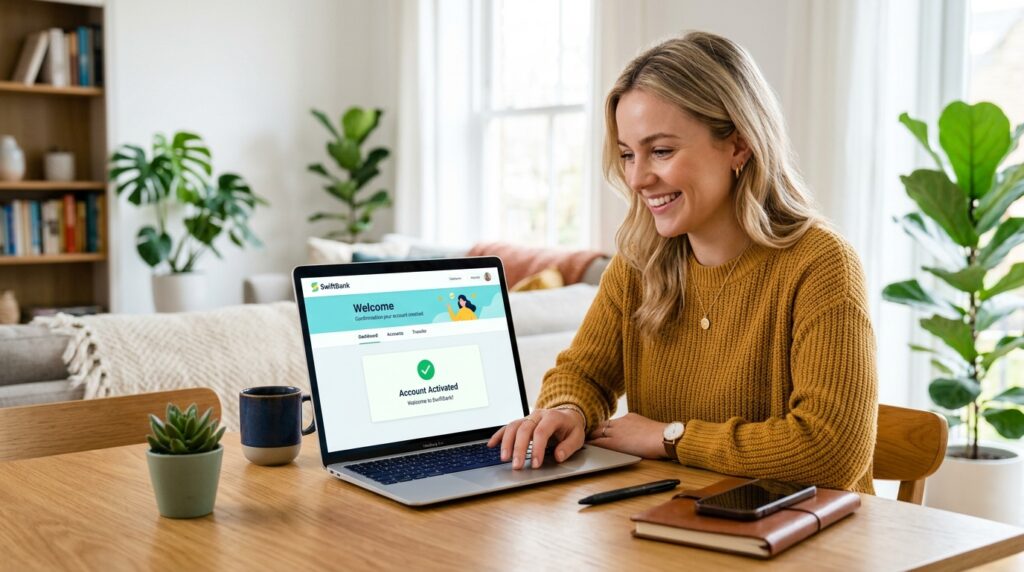
Opening a bank account used to mean dressing up, driving to a branch, and sitting across from someone who’d slide a stack of forms your way. That era is effectively over. In 2026, setting up a personal bank account online is faster, more competitive, and honestly more secure than most people realize. The whole process can take as little as 10 to 15 minutes if you know what you need ahead of time. But speed doesn’t mean you should rush the decision.
Picking the wrong account type, skipping security steps, or missing out on high-yield options can cost you real money over months and years. This guide walks you through every stage of opening a personal bank account online in 2026: from choosing between traditional and digital-first banks, to funding your account instantly, to locking down your security so you can sleep at night.
The Digital Banking Landscape in 2026
Traditional vs. Neo-Bank Online Experiences
Traditional banks like Chase, Bank of America, and Wells Fargo now offer full online account opening, but the experience often feels like a digital version of that old paper stack. You might encounter redundant fields, slow verification, or a requirement to visit a branch for certain account types.
Neo-banks like SoFi, Chime, and Varo were built for digital from day one. Their applications tend to be shorter, their approval times faster, and their fee structures simpler. The trade-off? Fewer physical branches (sometimes zero) and occasionally limited customer service hours.
|
Feature |
Traditional Banks |
Neo-Banks |
|---|---|---|
|
Branch Access |
Thousands of locations |
Few or none |
|
Application Speed |
15-30 minutes |
5-15 minutes |
|
Monthly Fees |
$5-$25 (often waivable) |
Usually $0 |
|
APY on Savings |
0.01%-0.50% |
1.00%-4.00%+ |
|
FDIC Insurance |
Standard $250K |
Standard $250K (some offer more) |
Key Benefits of Digital-First Account Opening
Going digital-first isn’t just about convenience. It gives you the ability to comparison-shop in real time, open accounts at institutions in other states, and often lock in higher interest rates. Some online banks offer competitive APYs north of 4%, which dwarfs the national average of roughly 0.39% at traditional savings accounts. That difference on a $10,000 balance is about $360 per year: real money you’d leave on the table by defaulting to whatever bank is closest to your house.
» Start saving money easily with the right account setup: Learn How To Open A Savings Account In Simple Steps
Essential Requirements and Documentation
Before you start any application, gather your documents. Nothing kills momentum like having to hunt for a utility bill halfway through a form.
Digital Identity Verification and Biometrics
Every bank needs to verify you are who you claim to be. In 2026, this typically means:
-
A government-issued photo ID (driver’s license, passport, or state ID)
-
Your Social Security Number or Individual Taxpayer Identification Number
-
A selfie or short video for biometric matching against your ID photo
Biometric verification has gotten remarkably accurate. Most banks use AI-powered document scanning that can detect tampered IDs within seconds. If your ID has expired, stop here and renew it first: you will get rejected.
» Choose the best checking account by comparing online and traditional banks: Online Vs Traditional Banks Which Offers the Best Checking Account
Proof of Residency and Legal Status
Banks need a current U.S. address. Acceptable documents usually include a recent utility bill, lease agreement, mortgage statement, or a bank/credit card statement showing your name and address. Some neo-banks accept digital copies uploaded directly from your phone’s camera.
If you’re a non-citizen, you’ll typically need your visa documentation, a valid passport, and sometimes an Employment Authorization Document. Requirements vary by institution, so check the bank’s specific eligibility page before starting.
» Find checking accounts with powerful mobile apps for easier banking: Best Checking Accounts With Excellent Mobile Banking Apps
Minimum Age and Credit Requirements
Most banks require you to be at least 18 to open an individual account. If you’re 13 to 17, you can usually open a joint account with a parent or guardian. A few banks, such as Chase and Capital One, offer dedicated teen account products.
Here’s something many people don’t realize: opening a basic checking or savings account usually does not require a credit check. Banks may run a ChexSystems inquiry to see if you have a history of bounced checks or unpaid bank fees, but that’s different from pulling your credit score. If you’ve had banking problems in the past, look for “second chance” checking accounts designed specifically for rebuilding your banking history.
Step-by-Step Online Application Process
With documents in hand, the actual application is straightforward. Here’s what to expect when you set up a personal bank account online.
Selecting the Right Account Type
Don’t just click “Open Account” on the first page you land on. Think about what you actually need:
-
Checking account – for daily transactions, bill pay, and debit card use
-
High-yield savings account – for emergency funds and short-term goals (look for 3.5%+ APY)
-
Money Market Account (MMA) – combines higher interest with limited check-writing ability, often requiring a $1,000+ minimum balance
-
Certificate of Deposit (CD) – locks your money for a set term (3 months to 5 years) in exchange for a guaranteed rate
If you’re building a CD ladder, you’d stagger multiple CDs with different maturity dates so you always have one coming due. This gives you both higher rates and periodic liquidity. For most people starting fresh, a checking-and-savings combo is the right move.
Completing the Secure Application Form
The form itself asks for your personal details: name, date of birth, SSN, address, phone number, and email. You’ll upload your ID and complete the biometric check. A few tips to reduce friction:
-
Use your legal name exactly as it appears on your ID
-
Make sure your phone number can receive SMS verification codes
-
Have your ID well-lit and flat when you photograph it
-
Disable any VPN, as some banks flag VPN connections as suspicious
The entire process takes 10 to 15 minutes if you have your documents ready. If you get stuck, most banks offer live chat support directly within the application flow.
Real-Time Approval and E-Signatures
Most digital banks provide instant or near-instant decisions. Once approved, you’ll sign the account agreement electronically. Read it. Specifically, look for monthly maintenance fees, minimum balance requirements, overdraft policies, and any conditions tied to promotional APY rates (like requiring direct deposit to earn the highest yield).
After signing, you’ll receive your account and routing numbers immediately. Your physical debit card typically arrives within 5 to 10 business days, but many banks now offer virtual card numbers you can add to Apple Pay or Google Pay right away.
Funding Your New Account Instantly
An empty bank account doesn’t do much. Here’s how to get money in fast.
External Bank Transfers and ACH
The most common method is to link an existing bank account and initiate an ACH transfer. You’ll enter the routing and account numbers from your old bank, and the new bank will verify the link (usually through micro-deposits of a few cents or instant verification via Plaid).
ACH transfers typically take 1 to 3 business days to clear. Some banks offer instant transfers for a small fee, or free same-day transfers if you link through their preferred verification partner.
Mobile Check Deposit and Digital Wallets
If you have a paper check, most banking apps let you deposit it by photographing both sides. Funds from mobile deposits usually become partially available within one business day, with the full amount clearing within two.
You can also fund accounts through digital wallets, wire transfers, or even cash deposits at partner ATMs (common with neo-banks that partner with networks like Allpoint or MoneyPass). SoFi, for example, offers up to $3 million in additional FDIC insurance through a network of participating banks, which matters if you’re consolidating significant savings into one platform.
Security Measures and Fraud Prevention
Your money is only as safe as your access controls. This is the section most people skip and later regret.
Multi-Factor Authentication (MFA) Setup
Enable MFA immediately. Every major bank offers it, but not all enable it by default. Your options typically include:
-
SMS codes – better than nothing, but vulnerable to SIM-swapping attacks
-
Authenticator apps (Google Authenticator, Authy) – significantly more secure
-
Hardware security keys (YubiKey) – the gold standard, though less common for consumer banking
-
Biometric login (fingerprint, face recognition) – convenient and reasonably secure
Use an authenticator app at a minimum. If your bank supports hardware keys, even better. And please: use a unique, strong password for your bank account. Not the same one you use for Netflix.
Recognizing Phishing and Secure Access Protocols
Phishing attacks targeting bank customers have gotten disturbingly sophisticated. Fake emails, texts, and even phone calls can look and sound exactly like your bank. One critical rule: your bank will never call and ask for sensitive information regarding your accounts. If someone does, hang up and call the number on the back of your debit card.
Bookmark your bank’s real login page. Don’t click links in emails to access your account. Check that the URL starts with “https” and matches your bank’s actual domain. These habits take seconds but prevent the vast majority of account compromises.
Maximizing Your Account Post-Setup
Opening the account is step one. Making it work for you is where the real value kicks in.
Setting Up Direct Deposit and Auto-Pay
Direct deposit does more than save you a trip to cash a check. Many banks tie their best perks to it: higher APY, waived monthly fees, early paycheck access (sometimes two days early). Contact your employer’s payroll department or update your direct deposit through your company’s HR portal. You’ll need your new routing and account numbers.
Automate your savings transfers on payday. Even $50 per paycheck adds up to $1,300 a year without you thinking about it. This removes the psychological friction of having to decide to save each time, which behavioral research consistently shows is the biggest barrier to building wealth.
Set up auto-pay for recurring bills like rent, utilities, and subscriptions. Just make sure you maintain enough buffer in your checking account to avoid overdraft fees.
Integrating with Personal Finance Apps
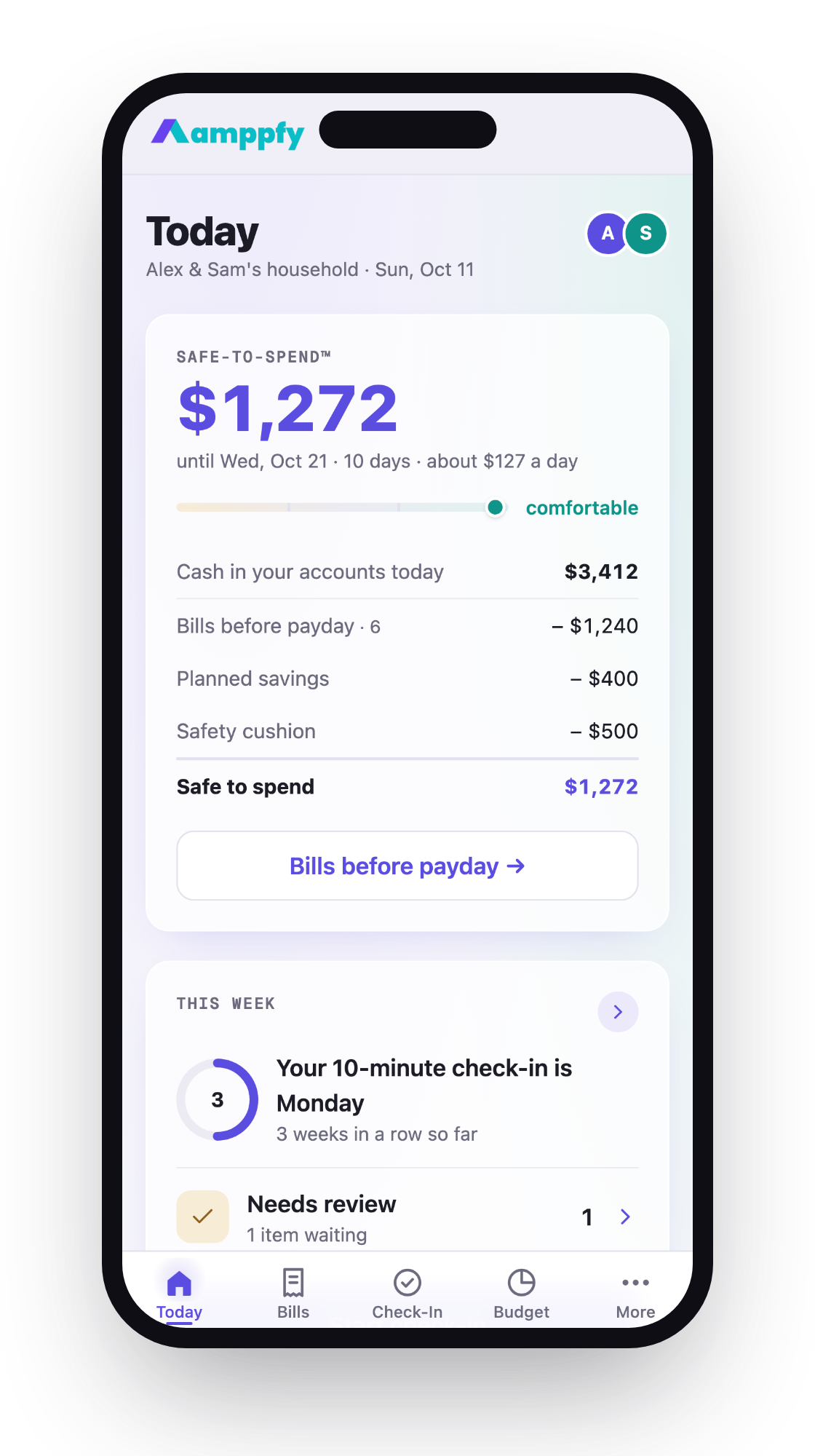
Connect your new account to a budgeting tool like Ampffy, YNAB, or Mint to get a clear picture of your spending patterns. Banks are increasingly focused on data modernization to improve accuracy and personalize experiences, which means your bank’s app may offer solid built-in budgeting features.
The real power comes from seeing all your accounts in one place. When you can visualize your checking, savings, investments, and debt on a single dashboard, you make better decisions. As one industry forecast put it, trust, loyalty, clarity, and relevance are the new drivers of loyalty in banking. Choose tools and banks that give you clarity rather than confusion.
Your Next Move
Setting up a bank account online in 2026 is genuinely one of the lowest-friction financial tasks you can complete. The entire process, from choosing a bank to funding your account, can happen in under an hour. But the decisions you make during that hour matter: the account type you pick, the APY you lock in, the security measures you enable. These choices compound over time.
Take the 15 minutes to compare at least three banks before committing. Automate your savings on day one. And if you’re unsure which account structure best fits your financial situation, consult a financial advisor who can tailor recommendations to your goals. The best bank account isn’t the one with the biggest ad budget: it’s the one that quietly works for you every single day.
Frequently Asked Questions
Some banks accept an Individual Taxpayer Identification Number (ITIN) instead of an SSN. Options include Bank of America, Chase, and several credit unions. You’ll still need a valid government-issued ID and proof of address. Check the specific bank’s requirements before applying.
Yes, as long as the bank is FDIC-insured. FDIC insurance covers up to $250,000 per depositor, per institution. Some banks extend this through partner bank networks. Always verify FDIC membership on the FDIC’s BankFind tool before depositing funds.
Physical debit cards typically arrive in 5 to 10 business days. Most banks now issue virtual card numbers instantly, which you can add to mobile wallets like Apple Pay or Google Pay and start using the same day your account is approved.
Absolutely. There’s no legal limit on how many bank accounts you can have. Many people keep a checking account at one bank and a high-yield savings account at another to maximize interest earnings. Just track your accounts carefully to avoid dormancy fees on forgotten accounts.