Close Menu

    Subscribe to Updates

    Get the latest creative news from FooBar about art, design and business.

    What's Hot

    Family Budgeting: How to Run Money Meetings That Don’t Fight

    December 4, 2025

    Short-Term Income Boosters: 12 Side Hustles That Fit Weeknights

    December 4, 2025

    Micro-Savings Tricks That Add $50–$200 a Month Without Pain

    December 3, 2025
    Facebook X (Twitter) Instagram
    Amppfy
    • Personal Finance
      • Managing Money
        • Creating a Monthly Budget
        • 50/30/20 Rule
        • Emergency Fund
        • How to Create a Savings Plan
        • Cut Monthly Expenses
        • Manage Joint Finances
        • Rainy Day Fund
        • Savings During a Recession
        • Zero-Based Budgeting
        • Cost of Living Calculator
        • Budget Calculator
        • Savings Calculator
        • Emergency Fund Calculator
        • Explore Budgeting & Saving Resources
      • Making Money
        • Side Hustles
        • Make Money Driving
        • Delivery Driving
        • Profitable Online Course
        • Freelance Writing
        • Selling Handmade Crafts
        • Explore Making Money Resources
      • Managing Debt
        • Paying Off Auto Loan
        • High-Interest Personal Loan
        • Debt-Repayment Fund
        • Medical Debt
        • Credit Card Debt
        • Student Loan Debt
        • Student Loan Repayment
        • Explore Debt Payoff Resources
      • Credit Score
        • Improve Credit Score
        • Freeze Credit Report
        • Negative Credit Report
        • Credit Utilization
        • Explore Credit Resources
    • Investing
      • Investments
        • Investing 101
        • Index Funds
        • Dividend Investing
        • Investing in ETFs
        • Mutual Funds vs. ETFs
        • How to Invest in Bonds
        • Custodial Accounts
        • Children Investment Account
        • Explore Investing Resources
      • Investing Calculators
        • Compound Interest Calculator
        • Net Worth Calculator
      • Stocks
        • Stock Market for Beginners
        • Stock Trading for Beginners
        • Investing in Stocks
        • Analyzing Stocks
        • Options Trading
        • Stock Market Crash
        • Bullish vs. Bearish
        • Explore Stock Resources
      • Brokerages
        • Opening Brokerage Account
        • Vanguard or Fidelity
        • Fidelity vs. Schwab
        • Robinhood vs. E*TRADE
        • Brokerage Fees
        • Explore Brokerage Resources
    • Home
      • Mortgage
        • Mortgage Guide
        • Refinance a Mortgage
        • Credit Score Improvements
        • Mortgage Payoff
        • Rising Mortgage Rates
        • Mortgage Playbook
        • Explore Mortgage Resources
      • Home Buying
        • Down Payment for a Home
        • Buying a New Home
        • Down Payment Strategies
        • Down Payment Assistance
        • Explore Home Ownership Resources
      • Home Calculators
        • Mortgage Calculator
      • Real Estate
        • Real Estate Investment Trusts
        • Rental Property Cash Flow
        • Real Estate Appreciation
        • Fix-and-Flip Real Estate
        • Short-Term Rental
        • Leverage in Real Estate
        • Explore Real Estate Resources
    • Banking
      • Checkings
        • No More Overdraft Fees
        • Time for a Check to Clear
        • Stay Safe from Check Scams
        • Missing Debit Card
        • Stop a Check Payment
        • Second Chance Checking
        • Checking Fees
        • Explore Checking Resources
      • Savings
        • Savings vs. Investing
        • Basics of Savings Account
        • Where to Put Your Money
        • Calculate Interest
        • Explore Savings Resources
        • Right Number of Savings Accounts
        • Money Market Account vs. Savings Account
    Amppfy
    Home » How to Read Your Bank Statement Like a Pro (Spending Breakdown)
    Banking

    How to Read Your Bank Statement Like a Pro (Spending Breakdown)

    Master how to read your bank statement for better budgeting and financial planning with expert tips and insights.
    AmppfyBy AmppfyNovember 22, 20259 Mins Read
    Facebook Twitter Pinterest LinkedIn Email Copy Link
    Spending Breakdown: How to Read Your Bank Statement Like a Pro
    Share
    Facebook Twitter LinkedIn Pinterest Email Copy Link

    Why Understanding Your Bank Statement Matters

    The foundation of financial clarity

    Your bank statement is more than just a list of transactions; it’s a detailed record of your financial life. Learning how to read it like a pro can transform your approach to budgeting, fraud detection, and financial planning. With a clear grasp of your statement, you can take control of your money instead of letting it slip through unnoticed.

    Each entry on your statement tells a story, whether it’s a recurring subscription that you forgot about or an unexpected charge that warrants further investigation. By taking the time to analyze these entries, you can identify trends in your spending, prioritize your financial goals, and even discover opportunities for savings that you may have previously overlooked.

    Accuracy in analysis

    Modern tools have pushed the accuracy of bank statement analysis to new heights. For example, Finuit.ai boasts a 95% accuracy rate in analyzing bank statements, indicating that automated systems can now pinpoint key details with remarkable precision. This level of accuracy ensures that your financial review is both reliable and actionable.

    Furthermore, these tools can often automatically categorize your spending, making it easier to visualize where your money is going each month. This categorization can highlight areas where you might be overspending, enabling you to make informed budget adjustments with minimal effort.

    Detecting fraud and managing budgets

    Bank statement analysis remains crucial for spotting suspicious activity and managing your budget effectively. According to experts at Sourcetable, understanding your spending patterns through your bank statement is a vital step in safeguarding your finances and making informed decisions. Regularly reviewing your statement helps you quickly identify unauthorized transactions, which you can report to your bank for resolution.

    Additionally, by establishing a routine for reviewing your statements—monthly or quarterly—you can adopt a proactive approach to financial management that not only protects your assets but also fosters a deeper understanding of your financial habits. This awareness can empower you to make strategic choices, such as reallocating funds toward savings or investments, ultimately leading to a more secure financial future.

    Breaking Down the Components of Your Bank Statement

    Key sections to focus on

    Every bank statement contains essential sections that provide a snapshot of your financial activity. Knowing what to look for helps you quickly identify important information.

    • Account Summary: Shows your starting balance, total deposits, withdrawals, and ending balance for the period.
    • Transaction Details: Lists every debit and credit, including dates, descriptions, and amounts.
    • Fees and Charges: Details any bank fees, interest charges, or penalties applied.
    • Notes or Messages: Sometimes banks include alerts or reminders here.

    Understanding transaction descriptions

    Transaction descriptions can sometimes be cryptic. They often include merchant names, locations, or transaction types. Becoming familiar with these helps you quickly identify legitimate charges versus unexpected or fraudulent ones.

    Additionally, many banks provide a glossary or guide to help you decode these descriptions. For instance, a transaction labeled “POS” typically indicates a point-of-sale purchase, while “ACH” refers to an automated clearing house transaction, often linked to direct deposits or bill payments. Understanding these terms can save you time and stress when reconciling your accounts.

    Spotting patterns and anomalies

    Look for recurring payments such as subscriptions or utilities. These regular expenses form the backbone of your budget. Meanwhile, any unfamiliar or irregular transactions should be flagged for further investigation to prevent fraud or errors.

    Moreover, analyzing your spending patterns over several months can reveal insights into your financial habits. For instance, you might notice a spike in dining expenses during certain months or an increase in online shopping during holiday seasons. This awareness can empower you to make more informed spending decisions and adjust your budget accordingly. By keeping an eye on these trends, you can better prepare for upcoming expenses and ensure that your financial goals remain on track.

    Leveraging Technology to Decode Your Statement

    AI-powered analysis for more profound insights

    Artificial intelligence has revolutionized how bank statements are analyzed. AI-powered tools can process vast amounts of data quickly, identifying risks and categorizing transactions with minimal human input. This technology helps businesses and individuals alike by clearly highlighting inflows and outflows.

    By employing machine learning algorithms, these tools continuously improve their accuracy over time, learning from user interactions and feedback. As a result, users can expect increasingly tailored insights that reflect their unique financial behaviors and patterns, making the analysis not just a one-time event but an ongoing, evolving process.

    Innovations in table detection and categorization

    Recent advancements, such as TabSniper, have introduced novel methods for detecting and structuring tables from bank statements. This improves the accuracy of automated data extraction and categorization, making it easier to analyze complex statements. The ability to accurately interpret tabular data enables users to gain insights into their spending habits and income sources, and even identify trends over time.

    Furthermore, this technology can be applied across various financial documents, enhancing its utility beyond bank statements into areas such as invoices and receipts, thereby streamlining overall financial management.

    Benefits for credit scoring and lending

    Bank statement data is not just for personal finance. Studies show that incorporating this data into credit scoring models significantly improves the evaluation of new-to-lending micro, small, and medium enterprises (MSMEs). This means better access to credit for businesses that might otherwise struggle to prove their financial health (source).

    By leveraging AI to analyze transaction histories, lenders can gain a clearer picture of an MSME’s cash flow and operational efficiency, enabling more informed lending decisions. This shift not only democratizes access to financial resources but also fosters a more inclusive economy where innovative startups can thrive, ultimately driving growth and job creation in local communities.

    Practical Tips to Read Your Bank Statement Like a Pro

    Step-by-step approach

    1. Start with the summary: Check your opening and closing balances to ensure they align with your expectations.
    2. Review deposits: Confirm all income sources are correctly recorded and match your records.
    3. Scrutinize withdrawals: Look for any unfamiliar or unexpected charges.
    4. Identify recurring payments: Note subscriptions or automatic payments and assess if they’re still needed.
    5. Check fees and penalties: Understand what you’re being charged and why.
    6. Flag discrepancies: Report any suspicious activity to your bank immediately.

    Using categorization to understand spending

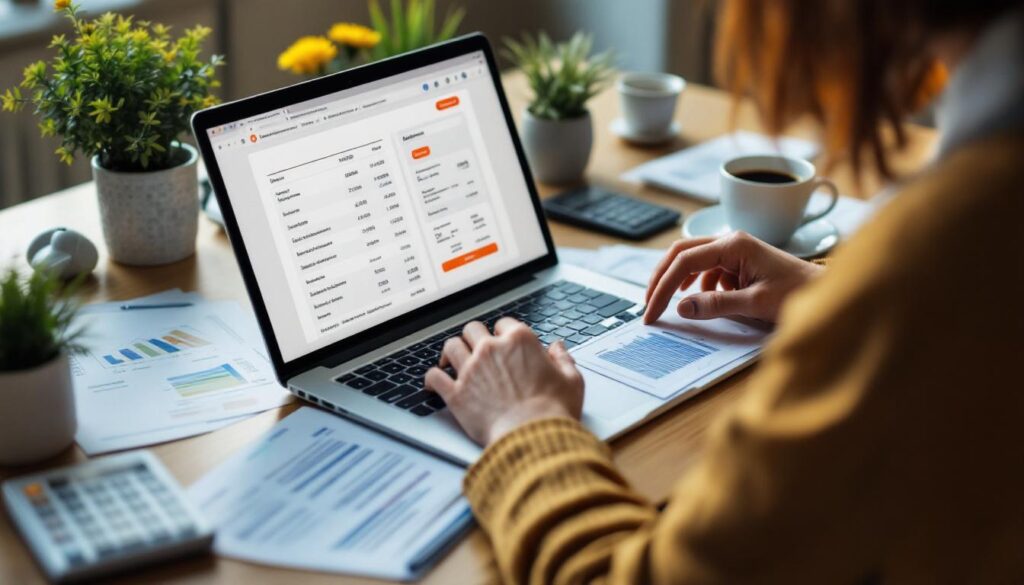
    Breaking down your expenses into categories such as groceries, utilities, entertainment, and dining out helps you spot trends and areas to cut back. Many banks and apps now offer automatic categorization, but manual review ensures accuracy. For instance, if you notice a significant increase in your dining out expenses, it might be time to reassess your habits or explore more budget-friendly dining options. Additionally, consider creating a dedicated savings category for future trips or experiences to motivate you to limit unnecessary spending in other areas.

    Regular review frequency

    Make it a habit to review your bank statement monthly. Regular checks prevent surprises and help maintain financial discipline. Setting calendar reminders or syncing with budgeting apps can streamline this process. Furthermore, consider pairing your bank statement review with a broader financial assessment, such as evaluating your savings goals or investment performance. This holistic approach not only keeps your spending in check but also encourages proactive financial planning, helping you stay on track to meet both short- and long-term financial objectives.

    Utilizing technology for better tracking

    In today’s digital age, leveraging technology can significantly enhance your ability to track and manage your finances. Many financial institutions offer mobile apps that let you monitor your transactions in real time, making it easier to catch discrepancies as they occur.

    Additionally, consider using budgeting tools that sync with your bank accounts to provide insights into your spending habits and help you create a more structured financial plan. These tools often include features such as spending alerts and customizable budgets, empowering you to take control of your financial health and make informed decisions.

    Understanding your financial habits

    Taking the time to analyze your bank statements can reveal much about your financial habits. For example, if you consistently overspend in specific categories, this could indicate a need for better budgeting or even a lifestyle adjustment. Reflecting on your spending patterns can help you identify emotional triggers or habits that lead to impulsive purchases.

    By recognizing these patterns, you can develop strategies to mitigate them, such as setting spending limits or implementing a waiting period before making non-essential purchases. This self-awareness is crucial for fostering a healthier relationship with money and achieving your financial goals.

    Common Challenges and How to Overcome Them

    Dealing with complex statements

    Some bank statements are lengthy and packed with transactions, which can make them overwhelming. Using AI-powered analyzers can simplify this by highlighting key areas and summarizing data efficiently.

    Interpreting unclear transaction details

    When merchant names or transaction descriptions are vague, cross-reference with receipts or contact your bank for clarification. This step is crucial for fraud detection and for accurate budgeting.

    Handling discrepancies and errors

    If you spot errors, don’t delay in contacting your bank. Prompt action can prevent financial loss and correct your records quickly.

    Staying secure while reviewing statements

    Always access your bank statements through secure channels. Avoid public Wi-Fi and use strong passwords to protect your financial information.

    Maximizing the Value of Your Bank Statement

    Using data for smarter financial decisions

    Your bank statement is a treasure trove of data. By analyzing your inflows and outflows, you can:

    • Identify unnecessary expenses to trim your budget.
    • Plan for upcoming large payments or seasonal expenses.
    • Spot opportunities for savings or investment.

    Detecting fraud early

    Regularly reviewing your statement helps catch fraudulent transactions before they escalate. AI tools can enhance this by flagging suspicious patterns automatically (Finuit.ai).

    Improving creditworthiness

    Consistent, positive bank statement activity can improve your credit profile. Lenders increasingly use detailed bank data to assess risk, especially for MSMEs seeking credit (study findings).

    Preparing for tax season

    Bank statements provide a clear record of income and expenses, simplifying tax preparation. Keeping organized statements throughout the year reduces stress and errors when filing.

    Frequently Asked Questions

    How often should I review my bank statement?

    Monthly reviews are ideal for catching errors and monitoring spending. Some people prefer weekly checks for tighter control, especially if they have many transactions.

    What should I do if I find a suspicious transaction?

    Contact your bank immediately to report the transaction. Most banks have fraud departments that investigate and can reverse unauthorized charges.

    Can I use bank statements to create a budget?

    Absolutely. Your bank statement shows exactly where your money goes, making it a practical tool for building and adjusting your budget.


    Are AI tools reliable for analyzing bank statements?

    Yes, AI-powered analyzers like those from Finuit.ai offer up to 95% accuracy and can efficiently process large volumes of data, helping detect risks and categorize transactions effectively.

    Banking Tips Finance Tips Financial Literacy Know Your Money Money Management
    Share. Facebook Twitter Pinterest LinkedIn Email Copy Link
    Previous ArticleHow to Calculate Your True Debt-to-Income Ratio (and Why It Matters)
    Next Article Are You Living Paycheck to Paycheck? A 5-Minute Self-Test
    Amppfy

    Amppfy helps everyday people gain financial clarity with practical how-tos and easy-to-use tools for personal finance, budgeting, saving, and smarter money decisions.

    More Like This

    Family Budgeting: How to Run Money Meetings That Don’t Fight

    By AmppfyDecember 4, 2025

    The Cashflow Calendar: Align Bills and Paychecks to Reduce Stress

    By AmppfyDecember 2, 2025

    How to Set Up Savings Buckets (Essentials, Savings, Fun) in 20 Minutes

    By AmppfyNovember 29, 2025
    Helpful Resources

    Family Budgeting: How to Run Money Meetings That Don’t Fight

    December 4, 2025

    The Cashflow Calendar: Align Bills and Paychecks to Reduce Stress

    December 2, 2025

    How to Set Up Savings Buckets (Essentials, Savings, Fun) in 20 Minutes

    November 29, 2025

    30-Day Financial Budget Repair Plan: Stop Leaks and Free Up $200+

    November 27, 2025

    Financial Clarity. Everyday Confidence.

    Facebook X (Twitter) YouTube LinkedIn
    Calculators

    Emergency Fund Calculator

    Compound Interest Calculator

    Net Worth Calculator

    Mortgage Calculator

    Cost of Living Calculator

    Savings Goal Calculator

    Monthly Budget Calculator

    Latest Resources

    Family Budgeting: How to Run Money Meetings That Don’t Fight

    December 4, 2025

    Short-Term Income Boosters: 12 Side Hustles That Fit Weeknights

    December 4, 2025

    Micro-Savings Tricks That Add $50–$200 a Month Without Pain

    December 3, 2025

    The Cashflow Calendar: Align Bills and Paychecks to Reduce Stress

    December 2, 2025
    About & Legal

    About Amppfy

    EULA

    Terms of Use

    Acceptable Use Policy

    Privacy Policy

    Cookie Policy

    Disclaimer

    Do Not Sell or Share My Personal Information

    Acceptable Use Policy

    Disclaimer: Amppfy is committed to keeping its information transparent, accurate, and up-to-date. The information on Amppfy is based on our best knowledge and the most objective research and analysis. This information may differ from what you find on the specific product or service provider’s website. All information, content, software, tools, products, or services on Amppfy are presented without warranty or guarantee. Please review the specific provider’s terms and conditions when evaluating products or services. By accessing Amppfy or using our AI generator tools, you acknowledge that you have read, understood, and agreed to our EULA, Terms of Use, Acceptable Use Policy, Privacy Policy, Cookie Policy, and Disclaimer. Amppfy.com uses cookies. For more information, visit Amppfy’s Cookie Policy. Amppfy may be compensated through third-party advertisers and affiliates. For more information, visit Amppfy’s Disclaimer.

    Copyright© 2025 Amppfy | All Rights Reserved

    Type above and press Enter to search. Press Esc to cancel.