Close Menu

    Subscribe to Updates

    Get the latest creative news from FooBar about art, design and business.

    What's Hot

    How to Start Investing While Paying Down Debt — A Practical Plan

    January 17, 2026

    Behavioral Mistakes New Investors Make (and How to Avoid Them)

    January 17, 2026

    How to Read an ETF Fact Sheet in 5 Minutes

    January 17, 2026
    Facebook X (Twitter) Instagram
    Amppfy
    • Personal Finance
      • Know Your Money
        • Money Quiz Reveals Financial Health
        • Living Paycheck to Paycheck
        • Key Personal Finance Metrics
        • How to Map Financial Goals
        • Calculate Debt-to-Income Ratio
        • Monthly Financial Review
        • Explore More Know Your Money Resources
      • Financial Literacy
        • Responsible Credit Card Use
        • How to Maximize Employer Benefits
        • Cashflow Calendar to Pay Bills
        • Build a Rainy Day Fund
        • Investing for Beginners with $100
        • How to Avoid Predatory Lenders
        • Explore More Financial Literacy Resources
      • Financial Wellness
        • Building Rainy Day Fund
        • Debt-Snowball vs. Debt-Avalanche
        • How to Maximize Savings
        • How to Plan for Major Purchase
        • Emergency Buffer While Paying Debt
        • How to Negotiate with Creditors
        • Explore More Financial Wellness Resources
      • Side Hustles
        • Side Hustles That Fit Weeknights
        • Side Hustles for Busy People
        • How to Monetize a Hobby
        • Gig Economy Playbook
        • Freelance Pricing 101
        • Side Hustles Start this Weekend
        • Explore More Side Hustles Resources
    • Budgeting
      • Budgeting Tips
        • How to Set Up Savings Buckets
        • Financial Budget Repair Plan
        • Beginner’s Guide to Tracking Spending
        • Common Budgeting Mistakes
        • Best Budgeting Apps Compared
        • Zero-Based Budgeting
        • Explore More Budgeting Tips Resources
      • Money Management
        • How to Build a Monthly Budget
        • How to Create a Savings Plan
        • Clever Ways to Save $500 This Month
        • Smart Grocery Budgeting
        • Cut Recurring Costs
        • Cash Back and Couponing
        • Explore More Money Management Resources
      • Fix Cashflow
        • 52-Week Savings Challenge
        • Budget Repair for Ages 18–28
        • Family Budgeting
        • Explore More Fix Cashflow Resources
      • Monthly Budget Calculator
    • Debt
      • Debt Free Journey
        • Payoff Strategies for Single Parents
        • How to Build Debt Payoff Calendar
        • Consolidating Debt
        • How to Plan for a Major Purchase
        • Debt-Repayment Fund for Loans
        • Debt Consolidation Pros and Cons
        • Explore More Debt Free Journey Resources
      • Debt Payoff
        • Debt Snowball vs Avalanche
        • Crush Debt Fast
        • How to Pay Off Credit Card Debt
        • Using a Balance Transfer Credit Card
        • Rolling Over 401(k) to Pay Down Debt
        • Paying Off Auto Loan Early
        • Explore More Debt Payoff Resources
      • Financial Freedom
        • Passive Income Ideas
        • Student Loans 101
        • How to Refinance Personal Loan
        • Taking Out a Personal Loan
        • When Bankruptcy Might be an Option
        • Explore More Financial Freedom Resources
    • Savings
      • Savings Tip
        • How to Rebuild Savings After Job Loss
        • 52-Week Savings Challenge
        • Smart Grocery Budgeting
        • Micro-Savings Strategies
        • Cash Back and Couponing
        • Cut Monthly Expenses
        • Explore More Savings Tip Resources
      • Emergency Fund
        • Emergency Buffer While Paying Down Debt
        • Park Your First $1,000 Emergency Fund
        • Emergency Fund Is Non-Negotiable
        • Sinking Funds vs. Emergency Fund
        • Emergency Funds
        • Explore More Emergency Fund Resources
      • Savings Goal
        • How to Build a Savings Plan
        • Short-Term Savings Goals vs Emergency Fund
        • How to Set Realistic Savings Goals
        • Micro-Savings That Add $50–$200 a Month
        • Cut Recurring Costs
        • Managing Savings During Recession
        • Explore More Savings Goal Resources
      • Savings Calculators
        • Savings Goal Calculator
        • Emergency Fund Calculator
    • Credit
      • Building Credit
        • Credit Utilization
        • Negative Marks on Credit Report
        • Pay Off Credit Card Debt
        • How to Read Credit Report
        • Building Credit as a Gig Worker
        • Knowing Credit Score Is Step One
        • Explore More Building Credit Resources
      • Credit Score
        • Truth About Credit Freezes
        • Credit Score 101
        • Improve Your Credit Score
        • How to Remove Negative Items
        • Understanding Credit Utilization
        • Leveraging Credit Score Improvements
        • Explore More Credit Score Resources
      • Credit Card
        • Credit Card Hacks
        • Best Rewards Credit Card
        • Lost or Stolen Credit Card
        • Rewards Credit Card
        • Balance Transfer Credit Cards
        • Starter Credit Cards
        • Explore More Credit Card Resources
    • Investing
      • Investing Tips
        • How to Make Money in Stocks
        • Bullish vs. Bearish
        • Roth IRA vs. Traditional IRA
        • Opening a Brokerage Account
        • How to Protect Stock Investments
        • How the Stock Market Works
        • Explore More Investing Tips Resources
      • Wealth Building
        • Investing for Beginners
        • How to Start Investing
        • How Call Options Work
        • How Do Stocks Function
        • Investing 101
        • Dividend Investing for Beginners
        • Explore More Wealth Building Resources
      • Investing Strategy
        • How to Build Retirement Portfolio
        • Index Funds vs. Actively Managed Funds
        • Target-Date Funds
        • How to Rebalance Portfolio
        • Investing Mistakes New Investors Make
        • Why the Price-to-Earnings Ratio Matters
        • Explore More Investing Strategy Resources
      • Stocks
        • How to Read Stock Charts
        • Best Stocks to Weather Inflation
        • Understanding Margin Calls
        • How to Short a Stock
        • What is Swing Trading
        • Beginner’s Guide to Put Options
        • Explore More Stocks Resources
    • Home
      • Home Buying
        • First-Time Homebuyer Checklist
        • How Much Down Payment to Buy a House
        • Renting vs. Buying
        • How to Estimate Homeownership Costs
        • Qualify as First-Time Home Buyers
        • Buying a Fixer-Upper House
        • Explore More Home Buying Resources
      • Real Estate
        • Smart Ways to Use Home Equity
        • Calculate Rental Property Cash Flow
        • Starting a House Hacking Strategy
        • Investing in Real Estate Owned Properties
        • REITs for Passive Income
        • Fix-and-Flip Real Estate Opportunities
        • Explore More Real Estate Resources
      • Mortgage
        • Mortgage Playbook to Secure a Home
        • Fixed vs. Adjustable Mortgage
        • How to Refinance a Mortgage
        • Mortgage Payoff Strategies
        • Pre‑Approval to Closing a New Home
        • Mortgage Strategies in Volatile Times
        • Explore More Mortgage Resources
      • Free Mortgage Calculator
    • Bank
      • Banking Tips
        • How to Read Bank Statement
        • How to Set Up Bank Account Alerts
        • Online Bank vs. Brick-and-Mortar
        • How to Open First Bank Account
        • How to Avoid Bank Fees
        • Missing Debit Card
        • Explore More Banking Tips Resources
      • Checking Account
        • How to Choose Right Checking Account
        • Beginner’s Guide to Overdraft Protection
        • Time It Takes for a Check to Clear
        • Mobile Check Deposits
        • When to Stop a Check Payment
        • Stay Safe from Check Scams
        • Explore More Checking Account Resources
      • Savings Account
        • High-Yield Savings Account vs Treasury Bills
        • High-Yield Savings Accounts
        • Maximizing Your Savings
        • How Much Cash to Keep in Savings Account
        • Money Market Account vs. Savings Account
        • Savings Account Minimum Balances
        • Explore More Savings Account Resources
    • Tax
      • Tax Tips
        • Tax Deductions 101
        • Individual Retirement Account Tax Rules
        • Child and Dependent Care Credit
        • Moving Expense Deductions
        • How to File Freelancing Taxes
        • Side-Gig Income Taxes
        • Explore More Tax Tips Resources
      • Tax Strategy
        • Tax Mistakes that Trigger Audits
        • Changing Tax Withholding Mid-Year
        • Handling Back Taxes
        • Capital Gains Taxes
        • Child Tax Credit
        • Claiming the Saver’s Credit
        • Explore More Tax Strategy Resources
      • Tax Savings
        • Tax Filing for Beginners
        • Tax Software for Tax Situation
        • Tax-Advantaged Accounts for Education
        • Health Savings Accounts to Lower Tax
        • Tax Credits vs. Deductions
        • Explore More Tax Savings Resources
    • Calculators
      • Emergency Fund Calculator
      • Compound Interest Calculator
      • Net Worth Calculator
      • Mortgage Calculator
      • Savings Goal Calculator
      • Monthly Budget Calculator
    Amppfy
    Home » Why an Emergency Fund Is Crucial for Financial Security
    Budgeting and Saving

    Why an Emergency Fund Is Crucial for Financial Security

    Explore the importance of an emergency fund, how to determine your savings goal, and the best accounts to keep your financial buffer safe and accessible.
    AmppfyBy AmppfyAugust 29, 2025Updated:September 11, 20258 Mins Read
    Facebook Twitter Pinterest LinkedIn Email Copy Link
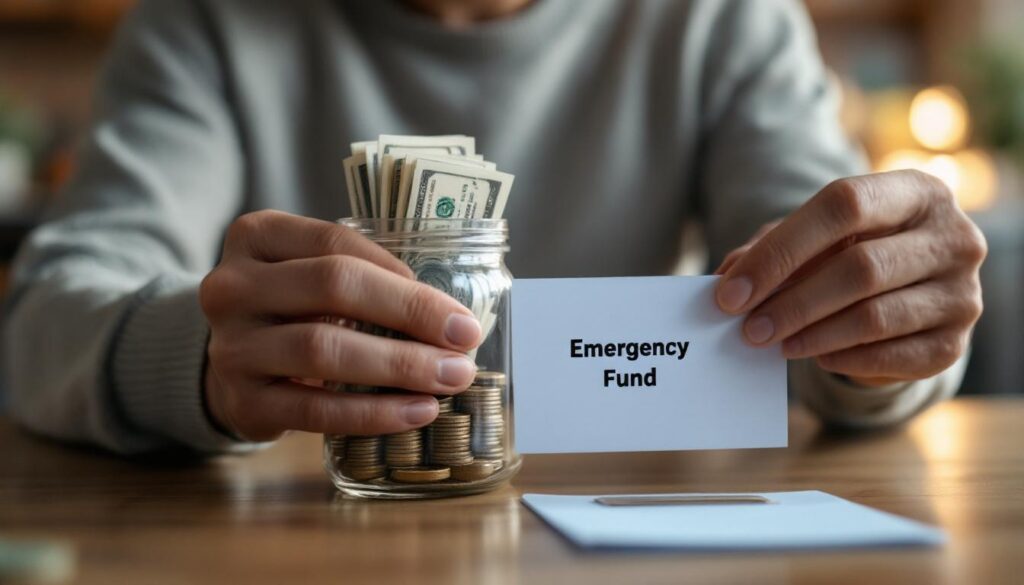
    A photograph of capture a photograph of a person securely placing cash into a clear emergency fund jar or a close-up of a well-organized savings envelope labeled “emergency fund” in a cozy home setting
    Share
    Facebook Twitter LinkedIn Pinterest Email Copy Link

    An emergency fund is a simple concept with powerful effects on financial well‑being. It feels like an obvious piece of the money puzzle, yet many people never build one, or they underestimate how much they need. This guide breaks down what an emergency fund is, why it matters, how to figure out the right target, and practical steps to build and store this cushion so it’s there when life throws a curveball.

    Understanding Emergency Funds

    An emergency fund is a stash of liquid savings set aside to cover unexpected events — things like car repairs, medical bills, sudden job loss, or urgent home repairs. The goal is to avoid scrambling, borrowing on high-interest credit cards, or dipping into long-term investments when immediate cash is needed.

    Build Your Emergency Fund for Financial Security

    Think of it as a financial buffer that protects goals and peace of mind. When you have an emergency fund, you don’t need to make bad financial choices when you’re stressed. It also stops short-term problems from becoming long-term problems.

    Experts generally recommend saving enough to cover three to six months’ worth of essential living expenses. This amount varies depending on personal circumstances, such as job stability, number of dependents, and monthly costs. Starting small and consistently contributing can help build the fund over time without straining your regular budget.

    Boost Your Emergency Fund: Why High-Yield Savings or Money Market Accounts Matter

    It’s just as important to keep your emergency fund accessible but separate from your everyday spending account. Using a high-yield savings account or a money market account allows your fund to grow with interest while remaining liquid enough for quick access. Avoid tying up these funds in investments that carry risk or are difficult to withdraw without penalties.

    Definition of an Emergency Fund

    At its core, an emergency fund is simply cash (or cash equivalents) saved specifically for unexpected, non-routine expenses. These events are not part of the regular monthly bills. We can’t know when they’ll happen, but they are likely to happen over time.

    It should be clear from other savings goals. Emergency funds are not for planned purchases like vacations, down payments, or regular annual expenses. They’re reserved for true emergencies that require quick access to money.

    Key Features of an Emergency Fund

    Liquidity tops the list: an emergency fund needs to be accessible quickly without penalties or loss of value. That usually rules out retirement accounts or investments that might fluctuate in value or be costly to liquidate.

    Another key feature is reliability. The fund should be in an institution or account type that is stable and insured, so the balance will be there when it’s needed. A third feature is adequacy — the fund must be large enough to cover the likely emergencies without leaving the saver vulnerable again.

    Importance of Having an Emergency Fund

    Having an emergency fund changes the way financial surprises are handled. Instead of reacting emotionally and making rushed financial decisions, it allows time to evaluate options calmly. This often leads to better outcomes and maintains credit and long-term savings.

    Beyond practical benefits, an emergency fund provides psychological comfort. The sense of control that comes from knowing there’s a safety net can reduce stress and improve decision-making in other areas of life.

    Financial Security and Stability

    An emergency fund contributes directly to financial stability. It prevents short-term shocks from turning into long-term problems like debt accumulation or forced withdrawals from retirement accounts. With a buffer, monthly finances remain on track even when unexpected costs arise.

    Employers can change, medicine can be needed, cars can break down — those things have less power when there’s a special group of savings. Over time, this stability allows for more confident planning and investing toward longer-term goals.

    Protection Against Unexpected Expenses

    Unexpected expenses vary in type and frequency, but they share a common trait: they usually come at inconvenient times. Having a dedicated emergency fund means being able to handle those moments without derailing the rest of the budget.

    With funds set aside, smaller emergencies won’t necessitate high-interest credit cards or payday loans. Even larger expenses, like an extended job loss, are more manageable when a multi-month emergency fund exists to cover living costs while searching for new work.

    Determining Your Savings Goal

    Deciding how much to save for emergencies depends on personal circumstances, spending patterns, and comfort level. A useful starting point is to calculate essential monthly expenses — housing, utilities, groceries, insurance, transportation, and minimum loan payments — then multiply by the desired number of months of coverage.

    It helps to categorize expenses as essential vs. discretionary. The emergency fund should be based on essential costs only. This creates a realistic target and keeps the fund focused on true financial survival needs rather than lifestyle maintenance.

    Recommended Savings Amounts

    Common guidance suggests three to six months’ worth of essential expenses for most people. For those with more stable jobs and dual incomes, three months may be enough. For people with variable incomes, single earners, or those in industries prone to layoffs, six months or more is often recommended.

    Some advisors recommend a tiered approach: a small starter fund of $500–$1,000 for immediate emergencies, then building up to three months, and eventually six months or more. This makes the process less intimidating and provides protection early on while longer-term savings grow.

    Factors Influencing Your Target Savings

    Several factors influence the right emergency fund size. Job stability is important. People with steady jobs and a lot of demand for their skills can reasonably aim for the lower end, while contract workers and freelancers should aim for the higher end. Household composition also matters — supporting children or older relatives increases the needed cushion.

    Other considerations include fixed monthly obligations (mortgage or rent), access to other liquid resources (a partner’s income, available lines of credit), health risks, and monthly cash flow variability. Geographic cost of living and local job market conditions can further adjust the target.

    Best Places to Store an Emergency Fund

    Where the emergency fund lives is almost as important as how much is saved. The overriding priorities are accessibility, safety, and modest returns that at least keep up with inflation. That typically points to liquid, low-risk accounts held at insured institutions.

    It’s not wise to keep emergency funds in volatile investments. While stocks and some bonds might beat savings accounts over the long term, their short-term fluctuations can erode the fund exactly when it’s needed most.

    High-Yield Savings Accounts

    High-yield savings accounts offer a good balance of safety, liquidity, and better-than-average interest. The FDIC or similar groups usually protect these online and physical bank accounts up to the limits set by the bank. This means that deposits are protected if the bank fails.

    Interest rates on these accounts fluctuate, but they generally provide more return than standard savings accounts while allowing quick withdrawals or transfers. They’re a common recommendation for emergency funds because they keep money accessible and growing modestly.

    Money Market Accounts

    Money market accounts combine features of savings and checking accounts and often come with higher interest rates and limited check-writing or debit access. They are typically insured and provide a convenient place for emergency savings when occasional immediate access is helpful.

    These accounts can be particularly useful for people who want a little more flexibility than a pure savings account. However, some money market accounts have minimum balance requirements or lower yields for smaller balances, so it’s important to shop around.

    Steps to Build Your Emergency Fund

    Building an emergency fund starts with a clear goal and a repeatable plan. Begin by setting a modest short-term target — a starter cushion that can handle common small emergencies — and automating savings so contributions happen without extra effort.

    Next, track spending to free up cash for the fund. Look for recurring subscriptions to cancel, small daily purchases to cut back, and opportunities to redirect windfalls like tax refunds or bonuses into savings. Consistency is more important than perfection. steady progress adds up.

    Setting a Monthly Savings Target

    Work backwards from the target emergency fund total to set a realistic monthly savings target. For example, to reach a $6,000 goal in 12 months, save $500 per month. If that feels out of reach, extend the timeline or set a smaller interim goal to build momentum.

    Automating transfers to the emergency fund on payday helps ensure the money is saved before it can be spent. Even small automatic transfers — $25 or $50 a week — grow into big amounts over time and make it harder to skip deposits.

    Strategies for Increasing Savings Contributions

    Boosting savings contributions can be done through targeted adjustments to income or expenses. Strategies include picking up side gigs, asking for raises, selling items no longer needed, or reallocating discretionary spending. Small lifestyle tweaks such as dining out less or brewing coffee at home can add up quickly.

    Another good way to save is to make one small change at a time. You can do this by cutting a small amount of money, moving the money to the emergency fund, and keeping that habit. As the habit solidifies, introduce another change. The compounding effect of multiple small habits creates a resilient emergency fund without drastic sacrifice.

    Boost Your Savings: Use Windfalls to Speed Up Savings Without Touching Your Emergency Fund

    Finally, treat windfalls as accelerators. Tax refunds, work, bonuses, and gifts are great opportunities to make big strides toward the fund. Keeping emergency savings separate from regular accounts makes it less likely to spend and keeps the fund for its purpose.

    Finance Tips Financial Literacy Financial Planning Money Management savings goal
    Share. Facebook Twitter Pinterest LinkedIn Email Copy Link
    Previous ArticleHow to Maximize Savings in 2025
    Next Article Understanding Overdraft Fees: Stay Informed and Resources
    Amppfy

    Amppfy helps everyday people gain financial clarity with practical how-tos and easy-to-use tools for personal finance, budgeting, saving, and smarter money decisions.

    More Like This

    Behavioral Mistakes New Investors Make (and How to Avoid Them)

    By AmppfyJanuary 17, 2026

    Investing for Ages 25–34 with Modest Incomes

    By AmppfyJanuary 16, 2026

    Robo-Advisors vs DIY Investing: Which Path Fits Your Situation?

    By AmppfyJanuary 13, 2026
    Helpful Resources

    Behavioral Mistakes New Investors Make (and How to Avoid Them)

    January 17, 2026

    Investing for Ages 25–34 with Modest Incomes

    January 16, 2026

    Robo-Advisors vs DIY Investing: Which Path Fits Your Situation?

    January 13, 2026

    Dollar-Cost Averaging Investing Strategy: The Beginner’s Advantage Explained

    January 11, 2026

    Financial Clarity. Everyday Confidence.

    Facebook X (Twitter) YouTube LinkedIn
    Calculators

    Emergency Fund Calculator

    Compound Interest Calculator

    Net Worth Calculator

    Mortgage Calculator

    Cost of Living Calculator

    Savings Goal Calculator

    Monthly Budget Calculator

    Latest Resources

    How to Start Investing While Paying Down Debt — A Practical Plan

    January 17, 2026

    Behavioral Mistakes New Investors Make (and How to Avoid Them)

    January 17, 2026

    How to Read an ETF Fact Sheet in 5 Minutes

    January 17, 2026

    Investing for Ages 25–34 with Modest Incomes

    January 16, 2026
    About & Legal

    About Amppfy

    EULA

    Terms of Use

    Acceptable Use Policy

    Privacy Policy

    Cookie Policy

    Disclaimer

    Do Not Sell or Share My Personal Information

    Acceptable Use Policy

    Disclaimer: Amppfy is committed to keeping its information transparent, accurate, and up-to-date. The information on Amppfy is based on our best knowledge and the most objective research and analysis. This information may differ from what you find on the specific product or service provider’s website. All information, content, software, tools, products, or services on Amppfy are presented without warranty or guarantee. Please review the specific provider’s terms and conditions when evaluating products or services. By accessing Amppfy or using our AI generator tools, you acknowledge that you have read, understood, and agreed to our EULA, Terms of Use, Acceptable Use Policy, Privacy Policy, Cookie Policy, and Disclaimer. Amppfy.com uses cookies. For more information, visit Amppfy’s Cookie Policy. Amppfy may be compensated through third-party advertisers and affiliates. For more information, visit Amppfy’s Disclaimer.

    Copyright© 2026 Amppfy | All Rights Reserved

    Type above and press Enter to search. Press Esc to cancel.