Managing personal finances can often feel overwhelming, especially when it comes to tracking spending. Despite its importance, only about 40% of U.S. adults actively track their expenses and maintain a budget.
This gap leaves many people uncertain about where their money goes each month and how to improve their financial health. Fortunately, tracking your spending doesn’t require complicated spreadsheets or advanced financial knowledge. With the right approach and tools, anyone can gain clarity and control over their money.
As a financial expert puts it:
“Tracking your finances isn’t just about control; it’s about clarity.”
This clarity is the foundation for making informed decisions, reducing financial anxiety, and ultimately achieving your financial goals. This guide will walk you through simple, effective methods to track your spending without the headache of spreadsheets, helping you build a healthier relationship with your money.
Why Tracking Spending Matters More Than Ever
The reality of financial stress in America
Financial anxiety is a widespread issue, with a 2024 NerdWallet report revealing that 63% of Americans feel anxious about their financial future. Additionally, 60% of people live paycheck to paycheck, making it difficult to build savings or plan for unexpected expenses. Without a clear understanding of where money is going, it’s easy to fall into cycles of stress and uncertainty.
The Importance of Tracking Spending for Financial Awareness and Security
Tracking spending provides a clear picture of your financial habits, helping you identify areas where you might be overspending or where you can cut back. This awareness is the first step toward reducing anxiety and gaining confidence in your financial decisions.
By keeping a detailed record of your expenditures, you can uncover patterns that may have previously gone unnoticed, such as recurring subscriptions that you no longer use or impulse purchases that add up over time. This newfound insight can empower you to make informed financial choices, ultimately leading to a more secure and less stressful future.
Setting and achieving financial goals
By consistently tracking your expenses, you can measure your progress toward your goals and make necessary changes in real time. This proactive approach increases the likelihood of success and helps you stay motivated. For instance, if you aim to save for a vacation or pay off debt, tracking your spending can reveal how small changes—like dining out less frequently or canceling unused subscriptions—can free up funds for your priorities.
Additionally, setting specific milestones along the way can provide a sense of accomplishment and keep you engaged in your financial journey as you witness your savings grow or your debt decrease. The motivation to stick to your budget becomes even stronger, reinforcing positive financial behaviors that can last a lifetime.
Simple Ways to Track Spending Without Spreadsheets
Use personal finance apps
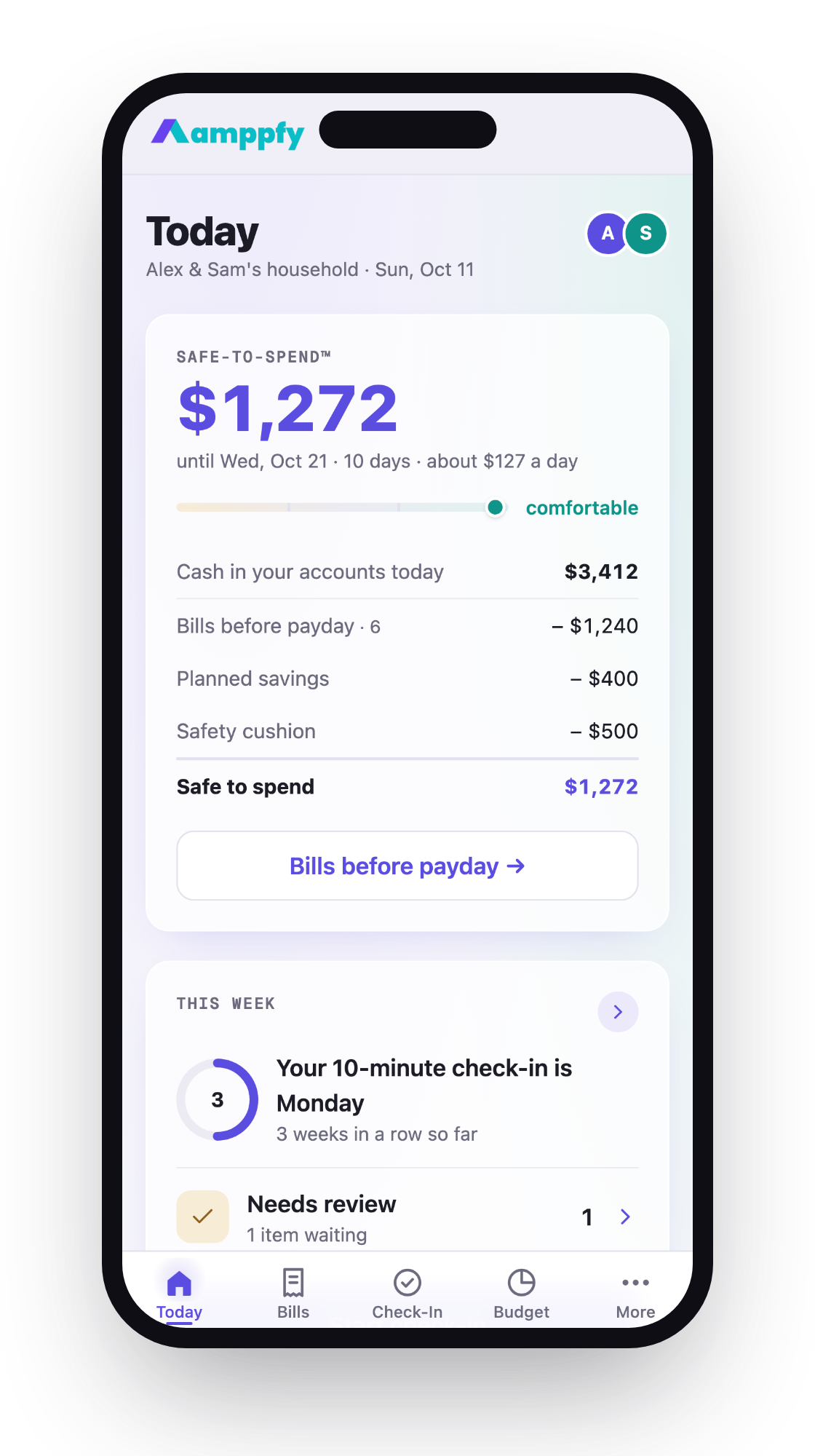
Technology has made tracking spending easier than ever. Over half of consumers (58%) now use personal finance apps to monitor their spending, according to the ZipDo Education Reports 2024. These apps automatically categorize your transactions, provide alerts, and sometimes even offer budgeting advice tailored to your habits.
Popular apps often include customizable budget categories, which a 2023 Deloitte study found 72% of users valued. Customization helps users engage more deeply with their finances, leading to better money management outcomes. Additionally, many of these apps feature visual representations of your spending trends, such as pie charts and bar graphs, which can help you identify areas where you may be overspending. Some apps even allow for goal-setting, enabling users to save for specific purchases or experiences, adding an extra layer of motivation to stick to their budgets.
Manual tracking with simple tools
If you prefer a hands-on approach without spreadsheets, consider using a dedicated notebook or a digital note-taking app. The key is to record every purchase, categorize it (e.g., groceries, transportation, entertainment), and review your spending regularly.
Here’s a straightforward process to get started:
- Write down every expense as it occurs or at the end of each day.
- Group expenses into broad categories that make sense for your lifestyle.
- Review weekly to see where most of your money is going.
- Adjust your spending habits based on your findings.
To enhance your manual tracking, consider color-coding or using symbols to represent different spending categories. For instance, using green for essential expenses and red for discretionary spending can provide immediate visual cues about your financial habits.
Furthermore, setting aside time each month to reflect on your spending patterns can help you identify not only where you can cut back but also where you might want to invest more, such as in hobbies or experiences that bring you joy. This reflective practice can lead to a more mindful approach to spending, ultimately fostering a healthier relationship with money.
How to Make Tracking Spending a Sustainable Habit
Start small and build consistency
One of the most significant barriers to tracking spending is the perception that it’s time-consuming or complicated. Certified Financial Planner Lauren Lyons Cole advises that “The best way to save more money is actually pretty easy. All you need to do is start tracking your money.” Starting small—tracking just a few days or focusing on key expense categories—can make the process feel manageable.
For instance, you might begin by monitoring your coffee shop visits or dining out expenses, which are often significant yet overlooked. By narrowing your focus, you can quickly see the impact of these small purchases, providing immediate motivation to continue.
Establishing Lasting Habits Through Consistency
Consistency is more important than perfection. Even if you miss a day or two, getting back on track quickly will help you build a lasting habit. Consider setting aside a specific time each week to review your spending, making it a part of your routine.
This could be during your Sunday morning coffee or right before bed on a weekday. The key is to find a time that works for you, which will help solidify this practice into your lifestyle.
Set reminders and use alerts
Many personal finance apps offer customizable alerts to notify you when you’re nearing budget limits or when unusual spending occurs. These timely reminders keep you engaged and aware without requiring constant manual effort. You can also use calendar reminders or smartphone notifications to prompt you to log your expenses at the end of each day. This simple nudge can be the difference between staying on top of your finances and letting them slip through the cracks.
Additionally, some apps let you set goals for savings or debt repayment, which can further boost your motivation. By visualizing your progress towards these goals, you can create a sense of accomplishment that fuels your desire to stay on track.
Review and adjust your budget regularly
Tracking spending isn’t a one-time task. Your financial situation and priorities can change, so it’s essential to revisit your budget monthly or quarterly. Use your spending data to identify trends, celebrate successes, and pinpoint areas for improvement.
For example, if you notice that your grocery spending has increased, it might be time to explore meal planning or bulk buying to save money. Conversely, if you find you’re consistently under budget in a particular category, consider reallocating those funds to savings or debt repayment.
The Benefits of Collaborative Financial Reviews
Regular reviews help you stay flexible and responsive, increasing your chances of reaching your financial goals. Moreover, involving a partner or family member in this process can provide additional accountability and support.
Discussing your financial journey together not only strengthens your commitment but also opens opportunities for shared learning and collaboration in economic decision-making. This communal approach can make tracking spending feel less daunting and more engaging, fostering a positive atmosphere around financial management.
Common Challenges and How to Overcome Them
Feeling overwhelmed by details
Many beginners worry that tracking every single expense will be tedious. To avoid burnout, focus on the big picture first. Track major spending categories—housing, food, transportation, and entertainment — before drilling down into smaller purchases.
Once you’re comfortable, you can add more detail gradually if it helps you make better decisions.
Inconsistent tracking habits
Life gets busy, and it’s easy to forget to log expenses. Building reminders into your routine—such as setting a daily alarm or linking tracking to another habit like checking emails—can improve consistency.
Not knowing how to categorize expenses
Categories don’t have to be perfect. Use broad labels that make sense to you, like “Dining Out” or “Transportation.” Over time, you can refine your categories to better reflect your spending patterns.
Benefits of Tracking Spending Beyond Budgeting
Improved financial clarity and control
Tracking spending shines a light on your financial habits, helping you understand where your money goes and why. This clarity builds confidence and reduces the stress that comes from uncertainty.
Better decision-making
With precise data on your expenses, you can make informed choices to cut costs, boost savings, or reallocate funds to priorities like debt repayment or investments.
Stronger financial habits and goal achievement
By regularly monitoring your spending, you develop discipline and awareness that support long-term financial health. This habit is key to closing the gap between setting goals and actually achieving them.
Frequently Asked Questions
No. While tracking every expense can provide detailed insights, it’s more important to focus on major spending categories and build a habit that you can sustain. Start simple and add more detail as you become comfortable.
Manual tracking with a notebook or digital notes is excellent. The key is consistency and regularly reviewing your spending. Choose the method that fits your lifestyle and preferences.
Review your spending at least once a week to stay aware and make timely adjustments. A more thorough monthly or quarterly review helps you track progress toward your financial goals and refine your budget.