Managing multiple bank accounts can be a strategic way to organize finances, optimize savings, and streamline spending. However, without a clear system, juggling several accounts can quickly become overwhelming and inefficient. Banks face challenges in managing complex data and analytics, underscoring the importance of adopting best practices at both the corporate and individual levels.
This article explores practical strategies for managing multiple bank accounts, supported by insights from industry research and expert recommendations.
Understanding the Benefits of Multiple Bank Accounts
Why diversify your banking relationships?
Holding multiple bank accounts allows individuals and businesses to separate funds for different purposes, such as daily expenses, savings, investments, and emergency funds. This separation aids in budgeting and financial clarity, reducing the risk of overspending and improving financial discipline.
Using multiple accounts can help maximize benefits, such as higher interest rates, rewards, or lower fees, by leveraging the unique offerings of different banks. For example, some banks may offer higher interest rates on savings accounts, while others may offer better terms on checking accounts. This strategic allocation can lead to significant savings over time, especially when compounded by interest on savings or cash back rewards from certain credit accounts.
Enhancing Financial Security Through Diversification of Bank Accounts
Additionally, having multiple bank accounts can enhance security by spreading risk. For instance, if one bank experiences a security breach, your funds in other institutions remain safe, providing peace of mind. Furthermore, banks may offer different levels of insurance coverage, such as FDIC insurance in the United States, which protects deposits up to a specified limit.
By diversifying your accounts, you can help protect your savings across different platforms, minimizing potential losses.
Building Financial Relationships: The Benefits of Multiple Accounts
Another advantage of maintaining multiple accounts is the opportunity to build a relationship with different financial institutions. This can lead to personalized service and better offers, as banks often reward loyal customers with lower interest rates on loans or higher credit card limits.
Engaging with various banks can provide insights into different financial products and services, helping you make more informed decisions about where to invest or save.
Establishing a Clear Management System
Organizing accounts for efficiency
To effectively manage multiple bank accounts, start by categorizing each account by purpose. Common categories include:
- Primary checking account: For everyday transactions and bill payments.
- Savings accounts: For emergency funds and short-term savings goals.
- Investment accounts: Dedicated to long-term growth and retirement planning.
- Business accounts: If applicable, separate accounts for business income and expenses.
Assigning clear roles to each account prevents confusion and helps maintain financial discipline. Additionally, regularly reviewing account statements and reconciling balances helps ensure accuracy and detect unauthorized activity early. This practice not only safeguards your finances but also encourages a proactive approach to managing your money, allowing you to identify spending patterns and adjust your budget accordingly.
Consider setting specific financial goals for each account, such as saving a certain amount in your emergency fund or reaching a target balance in your investment accounts, to keep your financial journey focused and rewarding.
Security and Compliance Considerations
Protecting your accounts
Managing multiple accounts increases exposure to potential security risks. It is crucial to adopt strong security measures such as two-factor authentication, unique passwords for each account, and regular monitoring for suspicious activity.
As banks push for more sophisticated controls using machine learning and automation to secure data, individuals should stay informed about the latest security technologies and best practices to protect their finances.
Additionally, using password managers can significantly enhance security by generating complex passwords and securely storing them, thereby reducing the likelihood of password fatigue and the temptation to reuse passwords across platforms. Regularly updating these passwords and remaining vigilant against phishing attempts can further safeguard your accounts against unauthorized access.
Ensuring regulatory compliance
While regulatory compliance is primarily a concern for financial institutions, individuals should be aware of tax reporting requirements for multiple accounts, especially when they involve different banks or countries. Keeping detailed records and consulting with tax professionals can prevent legal complications.
Furthermore, understanding the implications of international tax laws is essential for anyone with overseas accounts, as failure to report foreign income can result in severe penalties. Using software that tracks transactions and generates reports can simplify this process and ensure compliance with all relevant regulations.
The Importance of Understanding Regulatory Changes for Cross-Border Financial Compliance
“Staying informed about changes in regulatory frameworks, such as the Common Reporting Standard (CRS) and the Foreign Account Tax Compliance Act (FATCA), is vital for individuals with cross-border financial interests.
These regulations are designed to combat tax evasion and require financial institutions to report certain information about account holders. By proactively managing your accounts and understanding your obligations, you can navigate the complexities of compliance more easily, ultimately protecting both your assets and your peace of mind.”
Tips for Streamlining Multiple Bank Account Management
Practical strategies for daily management
To maintain control and efficiency, consider these best practices:
- Consolidate where possible: Avoid unnecessary duplication by closing redundant accounts.
- Automate payments and transfers: Set up automatic bill payments and transfers between accounts to maintain discipline.
- Schedule regular reviews: Monthly or quarterly reviews help catch errors and adjust budgets.
- Use alerts and notifications: Enable account alerts for low balances, significant transactions, or suspicious activity.
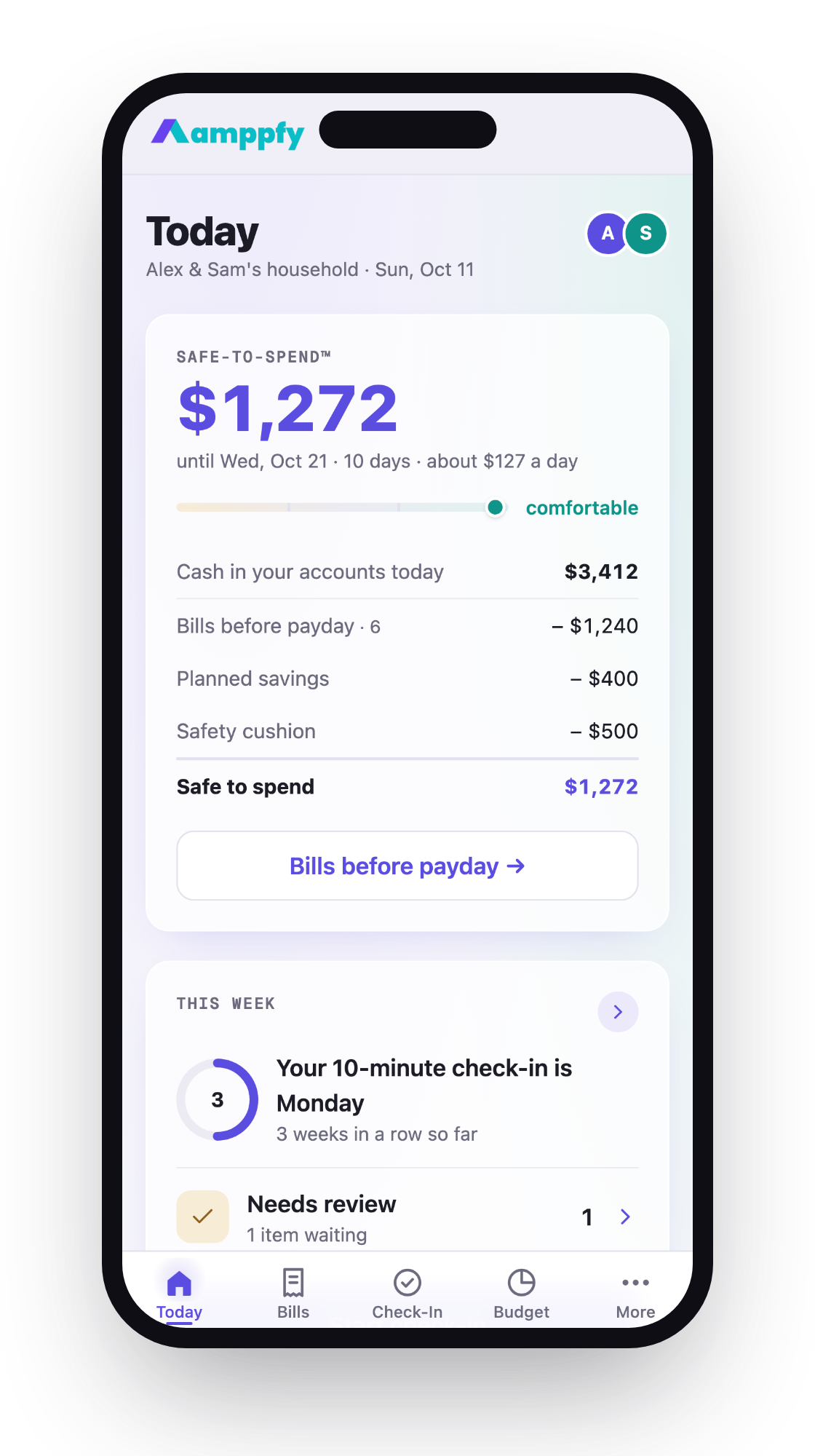
- Maintain a master spreadsheet or app: Track all accounts, balances, and key dates in one place.
Engaging frontline tools and resources
Industry leaders emphasize the importance of involving frontline users in the development and deployment of analytics capabilities to generate relevant, real-time insights. Individuals can apply this principle by actively engaging with financial advisors, customer service, and digital tools to tailor their banking experience.
Frequently Asked Questions
Yes, multiple bank accounts can help organize finances, separate funds for different goals, and take advantage of various banking benefits. However, it requires disciplined management to avoid fees and confusion.
Using financial management apps that consolidate account information, automating payments, and scheduling regular reviews are effective ways to maintain oversight and avoid errors.
Managing multiple accounts can increase exposure to security risks, but adopting strong passwords, two-factor authentication, and monitoring account activity can mitigate these risks.