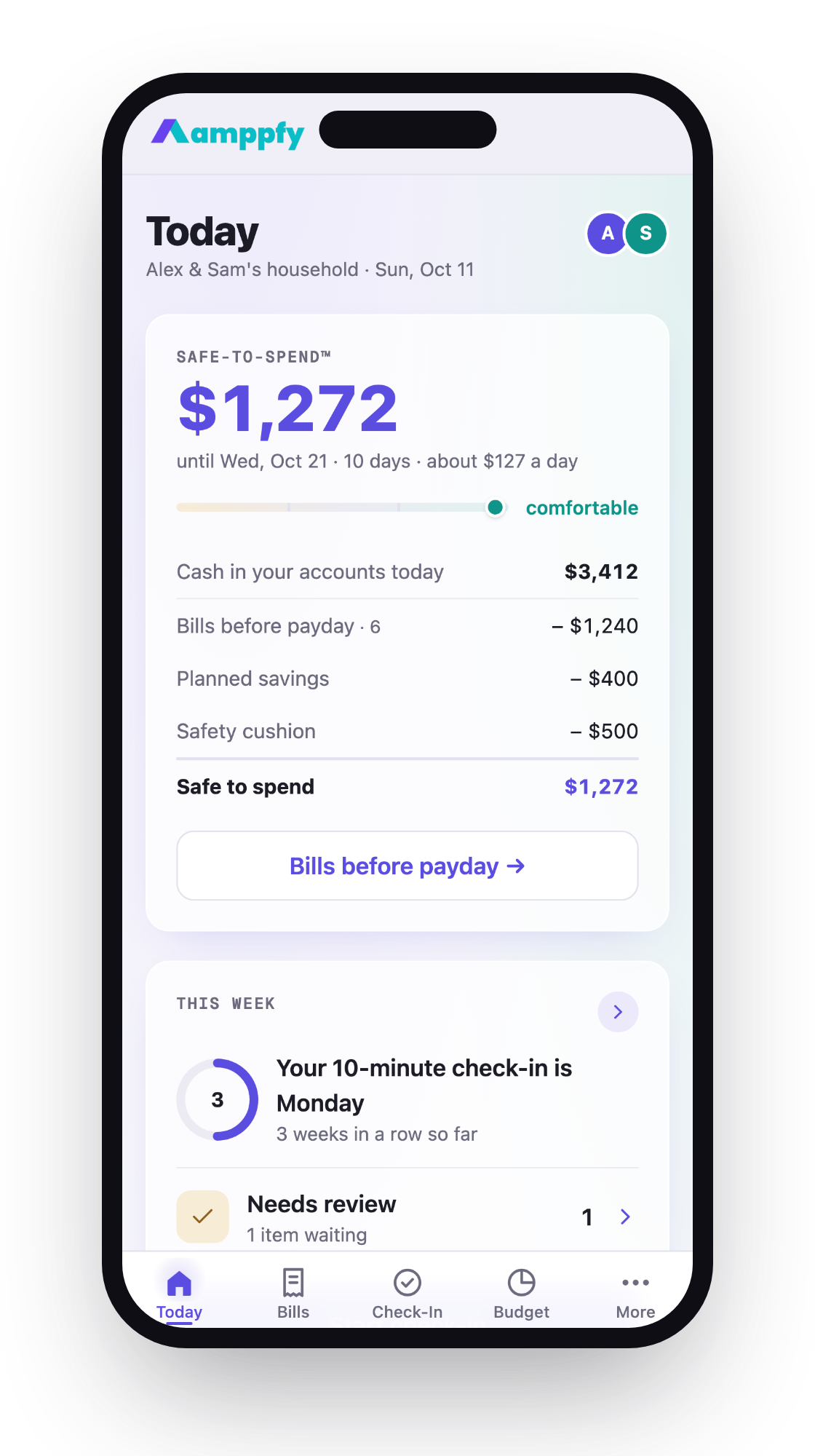


Your bank app says payday is Friday. The calendar says Friday is Christmas. You want to know which number is real, and whether your rent clears on time.
The good news is that the logic is ordinary and predictable. Once you know how the payment system treats a holiday or a weekend, you can see the date your money lands weeks in advance. Then you plan around it once, not every time.
The short answer
If your payday falls on a federal bank holiday, your direct deposit usually arrives the business day before. If it falls on a Saturday or Sunday, it usually arrives the Friday before. Employers usually pay early, not late, because the payment system that moves paychecks doesn’t settle money on those days.
There are exceptions. A few employers pay the next business day after a holiday, and your pay stub or HR portal should state the rule. Some banks also post deposits earlier than the official settlement date. Most don’t publish an exact posting time. If your bank doesn’t list one on its own website, treat the settlement date as your safe planning date.
Here’s the plain version:
- Payday on a holiday: usually paid the prior business day.
- Payday on a Saturday: usually paid Friday.
- Payday on a Sunday: usually paid Friday, sometimes Monday. Check your employer’s policy.
- Payday on a normal weekday before a holiday: usually unchanged.
That last line catches people. A Thursday payday the week of Christmas 2026 is a normal business day, so nothing moves. Only the deposit that would land on the closed day itself shifts.
How a holiday changes the ACH schedule
Most paychecks travel through the ACH network. Think of it as a mail truck that only runs on business days. Your employer’s payroll provider drops a file in the truck. The truck delivers it to your bank on a set settlement date. If the truck isn’t running, nothing moves.
The truck stops running when the Federal Reserve closes. The Federal Reserve publishes the holidays observed by Federal Reserve Banks[1], and those are the days with no ACH settlement. The ones left in 2026 are Veterans Day, Thanksgiving, and Christmas Day.
Your bank follows the same rhythm. Under Regulation CC, a “banking day” is a business day (Monday through Friday, except federal holidays) when a bank is open[2] for substantially all of its banking activities. A holiday isn’t one of those days, so a direct deposit on a holiday can’t settle until the system reopens.
That’s why employers move payday forward. Payroll teams submit files earlier in holiday weeks so the money settles the business day before. You don’t have to do anything. You just need to know the new date so your bills line up with it.
One more piece of context. The Federal Reserve’s FedNow Service, an instant-payment rail, runs 24x7x365[3], so an employer that uses it can pay on any day. Payroll direct deposit generally still runs on ACH as of October 2026, so plan using business days unless your employer tells you otherwise.
The remaining 2026 holidays and New Year’s Day 2027
Four Federal Reserve holidays remain between now and early January. The dates below match the Federal Reserve’s published holiday schedule[1].
| Holiday | Date | No ACH settlement | If your payday is that day, it usually lands |
|---|---|---|---|
| Veterans Day | Wednesday, November 11, 2026 | Yes | Tuesday, November 10 |
| Thanksgiving | Thursday, November 26, 2026 | Yes | Wednesday, November 25 |
| Christmas Day | Friday, December 25, 2026 | Yes | Thursday, December 24 |
| New Year’s Day | Friday, January 1, 2027 | Yes | Thursday, December 31, 2026 |
Two of these deserve a second glance. Christmas and New Year’s Day both fall on Fridays. If you’re paid every Friday, both of those checks arrive a day early, on Thursday. That’s two early paychecks in two weeks.
New Year’s Day also pulls a paycheck back into 2026. If you track income by calendar year, that deposit lands in December even though it was due in January.
Veterans Day is the quiet one. Many offices stay open, so it’s easy to forget. Banks and the Fed are still closed for settlement, so a Wednesday payday moves to Tuesday.
If you want the full picture for next year, the 2027 bank holiday calendar for paydays and bills lists every date that shifts.
Weekends: why Friday paydays land Friday and Saturday paydays do not
ACH doesn’t settle on Saturday or Sunday. The mail truck is parked all weekend. So a Friday payday works normally: Friday is a business day, and the money settles that morning or during the day, depending on your bank.
A Saturday payday can’t settle on Saturday. Employers almost always move it to Friday. A Sunday payday usually moves to Friday too, though some employers push it to Monday. Your employer’s payroll policy decides which one, and it should be written down somewhere you can see.
Here’s a common case. Say you’re paid on the 15th and the 1st. In 2026, November 15 is a Sunday. Your check most likely lands Friday, November 13. Then December 1 is a Tuesday, so that one lands on time.
A weekend plus a holiday stacks. If a holiday falls on Monday and your payday was Monday, your deposit likely lands the Friday before. That’s three days early.
Bills behave the opposite way. Many billers won’t process a payment on a weekend, so an autopay due Saturday may post Friday or Monday. Each company sets its own rule, and many don’t publish it. If yours doesn’t, assume the earlier date. That keeps you covered either way.
Planning bills around a moved payday
An early paycheck feels like a bonus. It isn’t. It’s the same money, earlier, and the next paycheck still arrives on its regular day. So the gap between this check and the next one gets longer.
Here’s the arithmetic. Say you’re paid $2,400 every other Friday. Normally the gap is 14 days. If Christmas moves your check to Thursday, December 24, and your next payday is a normal Friday, January 8, the gap is 15 days. That’s one extra day of groceries and gas from the same $2,400.
On weekly pay, the effect doubles up. Christmas and New Year’s both move to Thursday. Each check arrives a day early, but the one after New Year’s lands on its normal Friday, January 8. That final gap runs from Thursday, December 31, to Friday, January 8: eight days, not seven.
Try this ten-minute plan:
- Mark the moved payday. Put the early date on your calendar, not the original one.
- Mark the next regular payday. Count the days in between.
- List bills in that window. Include rent, card payments, and subscriptions.
- Check any bill due on a weekend or holiday. Assume it posts the business day before.
- Hold back the extra days. Set aside enough for the longer stretch before you spend anything else.
There’s more on the longer gap after an early holiday deposit if your pay schedule makes this tricky.
What is safe to spend once it lands
A deposit makes your balance jump. That jump isn’t permission. Your balance shows what’s in the account, not what’s left after the next two weeks of commitments.
The honest number takes four lines:
- Line 1, available cash: what’s in checking right now.
- Line 2, minus bills due before payday: only the ones before the next deposit. Later bills don’t count yet.
- Line 3, minus planned savings: the transfer you’ve decided on.
- Line 4, minus a cushion: a buffer you pick, for surprises.
Work an example. Your $2,400 check lands Thursday, December 24, and you had $300 already. That’s $2,700. Rent of $1,200 and a $90 phone bill are due before January 8. That leaves $1,410. You save $200, leaving $1,210. You keep a $150 cushion. Your Safe-to-Spend™ amount is $1,060.
Now divide by the gap. $1,060 over 15 days is about $70 a day. Over 14 days it would be about $76. That small difference is the real cost of an early holiday check, and it’s easy to handle once you can see it.
Do this the day the deposit lands. It takes a few minutes and it replaces guessing with a number you can trust.
FAQ
Will my direct deposit come early if payday is on a holiday?
Usually yes. Most employers pay the business day before a holiday payday, because ACH doesn’t settle on Federal Reserve holidays. A few pay the next business day. Your pay stub or HR portal should say which applies to you.
Does my bank post deposits on Saturday?
ACH doesn’t settle on weekends, so payroll deposits don’t arrive then. Some banks advertise early access to deposits, but rules and timing vary by bank. If your bank doesn’t publish a posting time on its own website as of October 2026, don’t plan around one.
Why did my deposit show as pending on the day before payday?
Some banks display incoming payroll files before settlement. Pending money may not be spendable yet. Treat the settlement date as your planning date unless your bank’s own site says the funds are available earlier.
Do bills also move on a holiday?
Often, but each biller sets its own rule. Some post the business day before, some after. If a biller doesn’t publish its policy, assume the earlier date so the money is there either way.
When your check arrives early for a holiday or a weekend, the date changes and nothing else does. The bigger balance isn’t what’s safe to spend. Bills due before the next payday come out first, then planned savings, then your cushion. What’s left is the real number for the longer gap ahead.
Amppfy does that four-line math for you and keeps it current. You type in your balances, bills, and paydays once, on iPhone or the web, and a weekly check-in keeps everything fresh. Take ten minutes this week to mark your moved paydays, then see your number in Amppfy.