The financial advice you read last year? A good chunk of it is already outdated. Between shifting interest rates, new AI-powered financial tools, and an economy that seems to reinvent itself every quarter, the playbook for building wealth keeps changing. That’s exactly why setting financial goals in 2026 requires a strategic approach to money management that accounts for where things are actually heading, not where they were.
Here’s what I’ve noticed after watching people succeed and fail at money goals for years: the ones who win aren’t necessarily earning more. They’re the ones who:
- Build systems that work even when motivation fades
- Understand their actual spending patterns instead of their imagined ones
- Adjust their strategies when the ground shifts beneath them
The people who struggle? They set vague goals, ignore economic realities, and treat budgeting like a January resolution rather than an ongoing practice.
This isn’t about deprivation or obsessing over every dollar. It’s about creating a financial architecture that supports the life you actually want to live while protecting you from the curveballs that 2026 will inevitably throw. Whether you’re digging yourself out of debt, building your first real emergency fund, or accelerating toward early retirement, the principles remain the same: understand your starting point, set specific targets, automate what you can, and review regularly.
Analyzing the 2026 Economic Landscape
The economic environment heading into 2026 looks fundamentally different from what we experienced even two years ago. Interest rates have stabilized after their rollercoaster ride, but they’re at levels that make borrowing and saving look different from what they were during the near-zero rate era. Housing costs continue to eat up a larger share of income in most markets, while certain sectors see wage growth finally outpacing inflation.
What this means for your financial planning is straightforward: assumptions need updating.
- That 4% safe withdrawal rate for retirement? It might need adjustment.
- The idea that you should always pay minimums on low-interest debt while investing? The math has shifted.
- Even basic savings account yields have changed the calculus on where to park your emergency fund
The Job Market has Also Transformed
Remote work has become permanent for many roles, creating both opportunities and complications. You might be able to earn a San Francisco salary while living in a lower-cost city, or you might face competition from candidates worldwide willing to work for less.
Key economic factors shaping 2026 financial decisions:
- Interest rates on high-yield savings accounts are hovering between 4-5%, making cash positions more attractive
- Mortgage rates have stabilized but remain elevated compared to the 2020-2021 lows
- Healthcare costs continue to rise 5-7% annually, outpacing general inflation
- Student loan payments resuming for millions, requiring budget adjustments
- Gig economy and side hustle income are becoming normalized in financial planning
Adjusting for Inflation and Market Volatility
Inflation has moderated from its recent peaks, but it hasn’t disappeared. The prices you’re paying for groceries, utilities, and services are meaningfully higher than they were three years ago, and they’re not coming back down. Your financial goals need to account for this reality.
This means several practical things for your planning:
- Emergency fund targets should increase by at least 15-20% from what you calculated in 2022
- Investment return expectations should factor in real returns, not nominal ones
- Income growth goals need to outpace inflation just to maintain purchasing power
- Fixed expenses like rent or mortgage payments become relatively smaller over time, but variable costs keep climbing
Market volatility isn’t going anywhere either. Building a financial plan that assumes smooth, predictable returns is a recipe for disappointment. Instead, design your strategy to survive and even benefit from the inevitable ups and downs.
The Audit: Assessing Your Current Financial Health
Before setting any goals, you need an honest picture of where you stand today. Not where you think you stand, not where you wish you stood, but the actual numbers. This is the step most people skip because it can be uncomfortable, and it’s exactly why most financial goals fail.
Pull up every account:
- Checking
- Savings
- Retirement
- Brokerage
- Credit cards
- Loans
- Random account you opened for a bonus three years ago
Get the real numbers. Many people discover they have more debt than they realized, or conversely, that their net worth is higher than they thought because they forgot about an old 401(k).
This audit isn’t a one-time exercise either. Your financial health changes constantly, and a strategic approach to money management in 2026 requires regular check-ins, not just annual reviews.
Calculating Net Worth and Debt-to-Income Ratios
Your net worth is simple math: everything you own minus everything you owe. But the composition matters as much as the total. Having a $500,000 net worth tied entirely to an illiquid home is very different from having $500,000 split among retirement accounts, taxable investments, and home equity.
Calculate these specific numbers:
- Total liquid assets (cash and easily accessible investments)
- Total retirement assets (401k, IRA, pension values)
- Total debt by category (mortgage, student loans, credit cards, auto loans)
- Debt-to-income ratio (monthly debt payments divided by monthly gross income)
Your debt-to-income ratio tells lenders how risky you are, but it also tells you how much flexibility you have. A ratio above 36% means you’re stretched thin. Above 43%, and you’re in a territory where one unexpected expense could start a cascade of problems.
Evaluating 2025 Spending Patterns and Leaks
Pull your bank and credit card statements from the past 12 months. Categorize every transaction. Yes, this is tedious. Do it anyway. What you’ll find will probably surprise you.
Most people have spending leaks: recurring charges for services they forgot about, subscription creep that adds up to hundreds of dollars a month, or category spending that balloons without their noticing. That streaming service you haven’t used in six months? The gym membership you keep meaning to cancel? The delivery fees, which seem small individually, total $150 per month.
Look specifically for:
- Subscriptions you no longer use or value
- Categories where spending increased significantly year-over-year
- Impulse purchases that cluster around certain times or emotional states
- Fees you’re paying that could be avoided (bank fees, late fees, convenience fees)
This analysis reveals your actual priorities versus your stated priorities. If you say health is important but spent $3,000 on takeout and $200 on fitness, there’s a gap between intention and behavior.
Defining SMART Financial Objectives for the New Year
Vague goals produce vague results. Saying you want to “save more” or “get better with money” is meaningless. You need specific targets with deadlines and measurable outcomes. The SMART framework (Specific, Measurable, Achievable, Relevant, Time-bound) isn’t new, but it works.
Instead of “save more money,” try “save $12,000 by December 31, 2026, by automatically transferring $1,000 to my high-yield savings account on the 1st of each month.” Instead of “pay off debt,” try “eliminate my $8,500 credit card balance by August 2026 by paying $1,200 monthly, starting with the highest-interest card.”
The specificity matters because it creates accountability and allows you to track progress. You either hit your monthly target or you didn’t. There’s no ambiguity.
Prioritizing Short-Term vs. Long-Term Wealth Building
You can’t do everything at once, so you need to prioritize. The general hierarchy that works for most people:
- Minimum payments on all debts (non-negotiable)
- Basic emergency fund (one month of expenses)
- Employer 401(k) match (free money you shouldn’t leave behind)
- High-interest debt payoff (anything above 7-8%)
- Full emergency fund (3-6 months of expenses)
- Additional retirement contributions
- Other investment goals
But this hierarchy isn’t universal. If your employer doesn’t offer a match, skip step 3. If you have no high-interest debt, focus on building your emergency fund faster. If you’re 55 with minimal retirement savings, you might need to prioritize retirement contributions more aggressively.
The key is understanding why each step matters and making conscious decisions about your sequence based on your specific situation.
Aligning Financial Goals with Lifestyle Values
Money is a tool, not an end goal. Your financial objectives should support the life you want, not the other way around. This requires some honest reflection about what actually matters to you.
- If you value travel and experiences, building a dedicated travel fund makes sense even if conventional wisdom says to maximize retirement contributions.
- If you hate your job and dream of a career change, building a larger emergency fund to support a transition might be more valuable than aggressively paying off debt.
- If security and stability are your primary values, a conservative investment approach might serve you better than chasing higher returns.
The worst financial plans are the ones people can’t stick to because they don’t align with who they actually are. Build goals that feel like they’re moving you toward your real life, not some generic idea of financial success.
Implementing Automated Wealth Systems
Willpower is unreliable. The most effective financial strategies remove willpower from the equation entirely by automating good behavior. When money moves to savings and investments before you see it, you can’t spend it. When bills pay themselves, you can’t forget them.
Automation also removes the emotional component from financial decisions.
- The market dropped 10%? Your automatic investment still goes through, buying at lower prices.
- You had a stressful week and want to splurge? Your savings transfer already happened.
Building these systems takes effort upfront, but pays dividends forever. Spend a few hours setting up automations, and you’ll make better financial decisions for years without thinking about it.
Leveraging AI-Driven Budgeting Tools
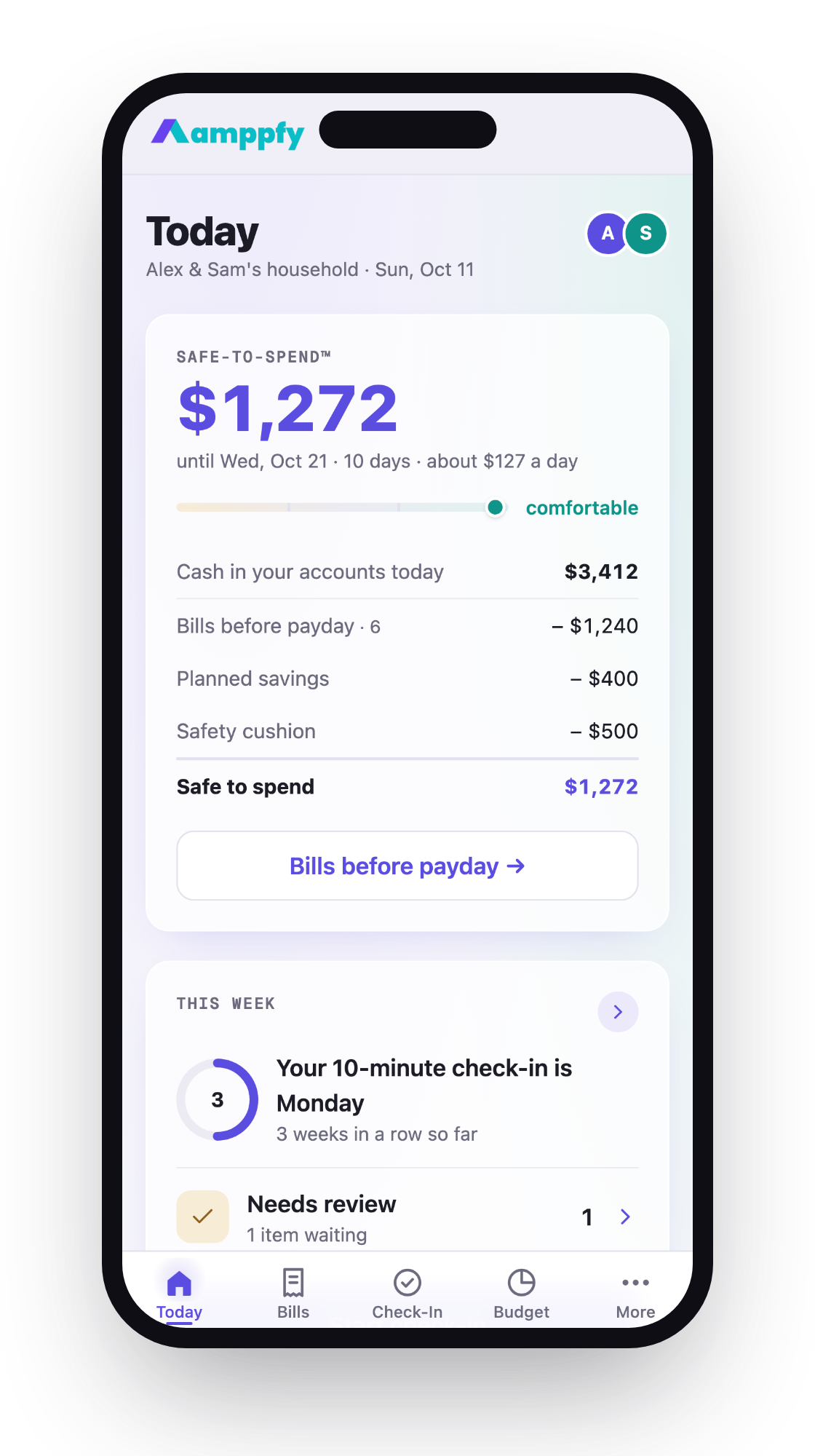
Modern budgeting apps have become genuinely sophisticated. Tools like YNAB, Copilot, and Monarch can automatically categorize transactions, alert you when spending exceeds your normal patterns, and project your cash flow weeks into the future.
The best features to look for:
- Automatic transaction categorization with learning capabilities
- Bill prediction and upcoming expense alerts
- Spending trend analysis over time
- Goal tracking with progress visualization
- Account aggregation across all financial institutions
Don’t just set these up and forget them. Schedule a weekly 10-minute review to check your dashboard, acknowledge any alerts, and make any necessary adjustments. The app does the heavy lifting, but you still need to engage with the information.
Optimizing Recurring Investment Contributions
Beyond budgeting, automate your wealth building. Set up automatic transfers to your investment accounts timed with your paycheck. This is dollar-cost averaging in practice: you buy more shares when prices are low, fewer when they’re high, and you never have to make the decision.
- For retirement accounts, increase your contribution rate annually
- Many 401(k) plans offer automatic escalation, bumping your contribution by 1% each year
Consider automating contributions to multiple goals simultaneously. You might have automatic transfers going to your:
- Emergency fund
- House down payment fund
- Taxable brokerage account
Risk Management and Emergency Preparedness
Financial goals mean nothing if a single unexpected event can derail them entirely. Risk management isn’t exciting, but it’s the foundation that makes everything else possible. Without adequate protection, you’re building your financial house on sand.
The pandemic taught millions of people this lesson the hard way. Those with emergency funds and adequate insurance weathered the storm. Those without found themselves in crisis, wiping out years of progress or going into debt just to survive.
Scaling the Emergency Fund for Modern Costs
The old advice of three to six months of expenses still applies, but “expenses” needs to be recalculated. Look at what you actually spent over the past year, not what your budget says you should spend. Include the irregular expenses that hit periodically: car maintenance, medical copays, and home repairs.
For 2026, consider these factors when sizing your emergency fund:
- Job stability and how long it would realistically take to find comparable work
- Whether you have one income or two in your household
- Health conditions that might require unexpected medical spending
- Age of your car, appliances, and home systems
- Whether you rent or own (homeowners need larger funds)
Keep this money in a high-yield savings account earning 4-5%. It’s not invested because it needs to be available immediately without risk of loss. The opportunity cost of not investing it is the price you pay for security.
Insurance and Asset Protection Strategies
Review your insurance coverage annually. Life changes, and your coverage should change with it. Had a baby? You need more life insurance. Started working from home? Your homeowner’s policy might need adjustment. Got a raise? Your disability coverage might be inadequate.
Essential coverages to evaluate:
- Health insurance with a deductible you can actually afford
- Disability insurance covering 60-70% of your income
- Life insurance if anyone depends on your income
- Umbrella liability policy if your net worth exceeds standard policy limits
- Adequate auto and home/renter’s coverage
The goal isn’t to ensure against every possible risk. It’s to ensure against the catastrophic risks that could destroy your financial life. You can handle a $500 car repair. You probably can’t handle a $500,000 lawsuit or a disability that ends your career.
Sustainable Growth: Monitoring and Adjusting Progress
Setting financial goals is the beginning, not the end. The real work happens in the ongoing monitoring and adjustment that keeps you on track despite changing circumstances. A goal set in January might need to be modified by June if your situation changes.
Build review sessions into your calendar as non-negotiable appointments. These aren’t optional when you feel like it. They’re scheduled commitments to your financial future.
Quarterly Review Milestones and Pivot Points
Every three months, conduct a thorough review of your financial progress. This is long enough to see meaningful trends but short enough to catch problems before they compound.
Your quarterly review should cover:
- Progress toward each specific goal (are you on track, ahead, or behind?)
- Changes in income or expenses since last quarter
- Performance of investment accounts relative to benchmarks
- Any life changes that affect your financial plan
- Upcoming large expenses in the next quarter
If you’re behind on a goal, diagnose why.
- Was the goal unrealistic?
- Did unexpected expenses hit?
- Did your behavior not match your intentions?
The answer determines the solution. An unrealistic goal needs adjustment. Unexpected expenses might mean your emergency fund needs to be larger. Behavioral issues might require stronger automation or accountability measures.
Don’t be afraid to modify goals based on new information. Financial planning is iterative, not static. A goal that made sense in January might be wrong by September if you get a raise, lose a job, have a baby, or face any other major life change.
Moving Forward With Intention
The difference between financial success and struggle rarely comes down to income. It comes down to systems, consistency, and the willingness to adapt when circumstances change. Setting financial goals with a strategic approach to money management in 2026 means building those systems now, before you need them.
Start with your audit this week. Calculate your actual net worth and spending patterns. Then set three to five specific, measurable goals for the year. Automate what you can, protect against catastrophic risks, and schedule your quarterly reviews.
The economy will do what it does. Markets will rise and fall. Unexpected expenses will appear. None of that changes if you have a solid financial foundation and clear objectives. What changes is your ability to weather those storms and keep moving toward the life you’re building.
Frequently Asked Questions
The common recommendation is 20% of gross income toward savings and debt payoff combined, but this varies significantly based on your situation. If you’re behind on retirement savings, you might need 25-30%. If you’re carrying high-interest debt, prioritize paying it off over saving for anything beyond a small emergency fund. If you live in a high-cost area, even 15% might require significant lifestyle adjustments. Start with what’s sustainable and increase gradually rather than setting an unsustainable target you’ll abandon.
Compare your debt interest rate to expected investment returns. Credit card debt at 20% should absolutely be paid before investing. A mortgage at 3% can likely wait while you invest. The crossover point is usually around 6-7%. Debt above that rate gets priority, and debt below can coexist with investing. Always capture any employer 401(k) match, regardless of debt, because it’s an immediate 50-100% return.
Conduct a detailed quarterly review and a quick monthly check-in. The monthly review is just 15-20 minutes, confirming you’re on track and no major issues have emerged. The quarterly review is more thorough, examining progress, adjusting targets, and planning for the upcoming quarter. Annual reviews should include bigger-picture questions about whether your goals still align with your life direction.
Use a budgeting app that supports goal tracking, or create a simple spreadsheet with each goal, its target amount, deadline, and current progress. The key is visibility: you should be able to see at a glance where you stand on each goal. Some people prefer visual trackers, such as charts or progress bars. Others prefer simple numbers. Use whatever format you’ll actually look at regularly.