Close Menu

    Subscribe to Updates

    Get the latest creative news from FooBar about art, design and business.

    What's Hot

    Online vs. Traditional Checking Accounts: Which Is Better for Everyday Banking?

    April 29, 2026

    Interest-Bearing Checking Accounts: Are They Worth It in 2026?

    April 28, 2026

    Joint Checking Accounts: Who Owns the Money and Who Pays the Fees?

    April 27, 2026
    Facebook X (Twitter) Instagram
    Amppfy
    • Personal Finance
      • Know Your Money
        • Money Quiz Reveals Financial Health
        • Living Paycheck to Paycheck
        • Key Personal Finance Metrics
        • How to Map Financial Goals
        • Calculate Debt-to-Income Ratio
        • Monthly Financial Review
        • Explore More Know Your Money Resources
      • Financial Literacy
        • Responsible Credit Card Use
        • How to Maximize Employer Benefits
        • Cashflow Calendar to Pay Bills
        • Build a Rainy Day Fund
        • Investing for Beginners with $100
        • How to Avoid Predatory Lenders
        • Financial Literacy Tips
        • Explore More Financial Literacy Resources
      • Financial Wellness
        • Building Rainy Day Fund
        • Debt-Snowball vs. Debt-Avalanche
        • How to Maximize Savings
        • How to Plan for Major Purchase
        • Emergency Buffer While Paying Debt
        • How to Negotiate with Creditors
        • Explore More Financial Wellness Resources
      • Side Hustles
        • How to Make Money Online
        • Side Hustles That Fit Weeknights
        • Side Hustles for Busy People
        • How to Monetize a Hobby
        • Gig Economy Playbook
        • Freelance Pricing 101
        • Side Hustles Start this Weekend
        • Explore More Side Hustles Resources
    • Budgeting
      • Budgeting Tips
        • How to Set Up Savings Buckets
        • Financial Budget Repair Plan
        • Beginner’s Guide to Tracking Spending
        • Common Budgeting Mistakes
        • Best Budgeting Apps Compared
        • Zero-Based Budgeting
        • Best Budgeting Tips
        • Explore More Budgeting Tips Resources
      • Money Management
        • How to Build a Monthly Budget
        • How to Create a Savings Plan
        • Clever Ways to Save $500 This Month
        • Smart Grocery Budgeting
        • Cut Recurring Costs
        • Cash Back and Couponing
        • Explore More Money Management Resources
      • Fix Cashflow
        • 52-Week Savings Challenge
        • Budget Repair for Ages 18–28
        • Family Budgeting
        • Master Money Management
        • Explore More Fix Cashflow Resources
      • How to Budget and Save Money
        • Save Money on Groceries
        • Cut Household Expenses
        • How to Save $500
        • Budgeting Hacks for Beginners
        • Budgeting Apps
        • Best Budgeting Tips
    • Debt
      • Debt Free Journey
        • Payoff Strategies for Single Parents
        • How to Build Debt Payoff Calendar
        • Consolidating Debt
        • How to Plan for a Major Purchase
        • Debt-Repayment Fund for Loans
        • Debt Consolidation Pros and Cons
        • Explore More Debt Free Journey Resources
      • Debt Payoff
        • Debt Snowball vs Avalanche
        • Crush Debt Fast
        • How to Pay Off Credit Card Debt
        • Using a Balance Transfer Credit Card
        • Rolling Over 401(k) to Pay Down Debt
        • Paying Off Auto Loan Early
        • Explore More Debt Payoff Resources
      • Financial Freedom
        • Passive Income Ideas
        • Student Loans 101
        • How to Refinance Personal Loan
        • Taking Out a Personal Loan
        • When Bankruptcy Might be an Option
        • Explore More Financial Freedom Resources
    • Savings
      • Savings Tip
        • How to Rebuild Savings After Job Loss
        • 52-Week Savings Challenge
        • Smart Grocery Budgeting
        • Micro-Savings Strategies
        • Cash Back and Couponing
        • Cut Monthly Expenses
        • Explore More Savings Tip Resources
      • Emergency Fund
        • Emergency Buffer While Paying Down Debt
        • Park Your First $1,000 Emergency Fund
        • Emergency Fund Is Non-Negotiable
        • Sinking Funds vs. Emergency Fund
        • Emergency Funds
        • Explore More Emergency Fund Resources
      • Savings Goal
        • How to Build a Savings Plan
        • Short-Term Savings Goals vs Emergency Fund
        • How to Set Realistic Savings Goals
        • Micro-Savings That Add $50–$200 a Month
        • Cut Recurring Costs
        • Managing Savings During Recession
        • Explore More Savings Goal Resources
      • Savings Calculators
        • Savings Goal Calculator
        • Emergency Fund Calculator
    • Credit
      • Building Credit
        • Credit Utilization
        • Negative Marks on Credit Report
        • Pay Off Credit Card Debt
        • How to Read Credit Report
        • Building Credit as a Gig Worker
        • Knowing Credit Score Is Step One
        • Explore More Building Credit Resources
      • Credit Score
        • Truth About Credit Freezes
        • Credit Score 101
        • Improve Your Credit Score
        • How to Remove Negative Items
        • Understanding Credit Utilization
        • Leveraging Credit Score Improvements
        • Explore More Credit Score Resources
      • Credit Card
        • Credit Card Hacks
        • Best Rewards Credit Card
        • Lost or Stolen Credit Card
        • Rewards Credit Card
        • Balance Transfer Credit Cards
        • Starter Credit Cards
        • Explore More Credit Card Resources
    • Investing
      • Investing Tips
        • How to Make Money in Stocks
        • Bullish vs. Bearish
        • Roth IRA vs. Traditional IRA
        • Opening a Brokerage Account
        • How to Protect Stock Investments
        • How the Stock Market Works
        • Best Investing Tips
        • Explore More Investing Tips Resources
      • Wealth Building
        • Investing for Beginners
        • How to Start Investing
        • How Call Options Work
        • How Do Stocks Function
        • Investing 101
        • Dividend Investing for Beginners
        • Diversify Investment
        • Explore More Wealth Building Resources
      • Investing Strategy
        • How to Build Retirement Portfolio
        • Beginner’s Index Fund
        • Index Funds vs. Actively Managed Funds
        • Target-Date Funds
        • How to Rebalance Portfolio
        • Investing Mistakes New Investors Make
        • Why the Price-to-Earnings Ratio Matters
        • Explore More Investing Strategy Resources
      • Stocks
        • Best S&P 500 Index Funds
        • How to Read Stock Charts
        • Best Stocks to Weather Inflation
        • Understanding Margin Calls
        • How to Short a Stock
        • What is Swing Trading
        • Beginner’s Guide to Put Options
        • Explore More Stocks Resources
    • Home
      • Home Buying
        • First-Time Homebuyer Checklist
        • How Much Down Payment to Buy a House
        • Renting vs. Buying
        • How to Estimate Homeownership Costs
        • Qualify as First-Time Home Buyers
        • Buying a Fixer-Upper House
        • Explore More Home Buying Resources
      • Real Estate
        • Smart Ways to Use Home Equity
        • Calculate Rental Property Cash Flow
        • Starting a House Hacking Strategy
        • Investing in Real Estate Owned Properties
        • REITs for Passive Income
        • Fix-and-Flip Real Estate Opportunities
        • Explore More Real Estate Resources
      • Mortgage
        • Mortgage Playbook to Secure a Home
        • Fixed vs. Adjustable Mortgage
        • How to Refinance a Mortgage
        • Mortgage Payoff Strategies
        • Pre‑Approval to Closing a New Home
        • Mortgage Strategies in Volatile Times
        • Explore More Mortgage Resources
      • Home Insurance
        • Home Insurance Guide
        • Instant Insurance Quotes
        • Compare Home Insurance
        • Home Insurance Policy
        • Best Home Insurance Policy
        • Home Insurance Companies
        • Home Insurance Deductible
        • Best Home Insurance
    • Bank
      • Banking Tips
        • How to Read Bank Statement
        • How to Set Up Bank Account Alerts
        • Online Bank vs. Brick-and-Mortar
        • How to Open First Bank Account
        • How to Avoid Bank Fees
        • Missing Debit Card
        • Managing Multiple Banks
        • Explore More Banking Tips Resources
      • Checking Account
        • How to Choose Right Checking Account
        • Beginner’s Guide to Overdraft Protection
        • Time It Takes for a Check to Clear
        • Mobile Check Deposits
        • When to Stop a Check Payment
        • Stay Safe from Check Scams
        • Best Checking Accounts
        • Explore More Checking Account Resources
      • Savings Account
        • High-Yield Savings Account vs Treasury Bills
        • High-Yield Savings Accounts
        • Maximizing Your Savings
        • How Much Cash to Keep in Savings Account
        • Money Market Account vs. Savings Account
        • Savings Account Minimum Balances
        • Explore More Savings Account Resources
      • Maximize Your Savings
        • Banking Basics
        • Best High-Yield Savings Account
        • Maximizing Interest
        • How to Switch Banks
        • Emergency Fund Savings
        • Savings Accounts vs. CDs
        • Savings Account Fees
        • Smart Checking Accounts
        • Maximize Your Savings Resources
    • Tax
      • Tax Tips
        • Tax Deductions 101
        • Individual Retirement Account Tax Rules
        • Child and Dependent Care Credit
        • Moving Expense Deductions
        • How to File Freelancing Taxes
        • Side-Gig Income Taxes
        • Explore More Tax Tips Resources
      • Tax Strategy
        • Tax Mistakes that Trigger Audits
        • Changing Tax Withholding Mid-Year
        • Handling Back Taxes
        • Capital Gains Taxes
        • Child Tax Credit
        • Claiming the Saver’s Credit
        • Explore More Tax Strategy Resources
      • Tax Savings
        • Tax Filing for Beginners
        • Tax Software for Tax Situation
        • Tax-Advantaged Accounts for Education
        • Health Savings Accounts to Lower Tax
        • Tax Credits vs. Deductions
        • Explore More Tax Savings Resources
    • Calculators
      • Personal Finance
        • Investment Calculator
        • Compound Interest Calculator
        • Interest Rate Calculator
        • Net Worth Calculator
        • CD Calculator
      • Saving & Budgeting
        • Emergency Fund Calculator
        • Monthly Budget Calculator
        • Savings Calculator
        • Savings Goal Calculator
      • Home
        • Mortgage Calculator
        • Amortization Calculator
        • How Much House Can I Afford
        • Debt-to-Income Ratio Calculator
    • News
    Amppfy
    Home » Banking » Six Steps for Writing a Check Correctly
    Banking

    Six Steps for Writing a Check Correctly

    Learn the six simple steps to write a check accurately and securely, making the process quick and easy for any payment scenario.
    Thomas TanBy Thomas TanSeptember 4, 2025Updated:March 15, 202610 Mins Read
    Facebook Twitter LinkedIn Email Copy Link
    Six Steps for Writing a Check Correctly
    Share
    Facebook Twitter LinkedIn Email Copy Link

    How to Write a Check Step-by-Step

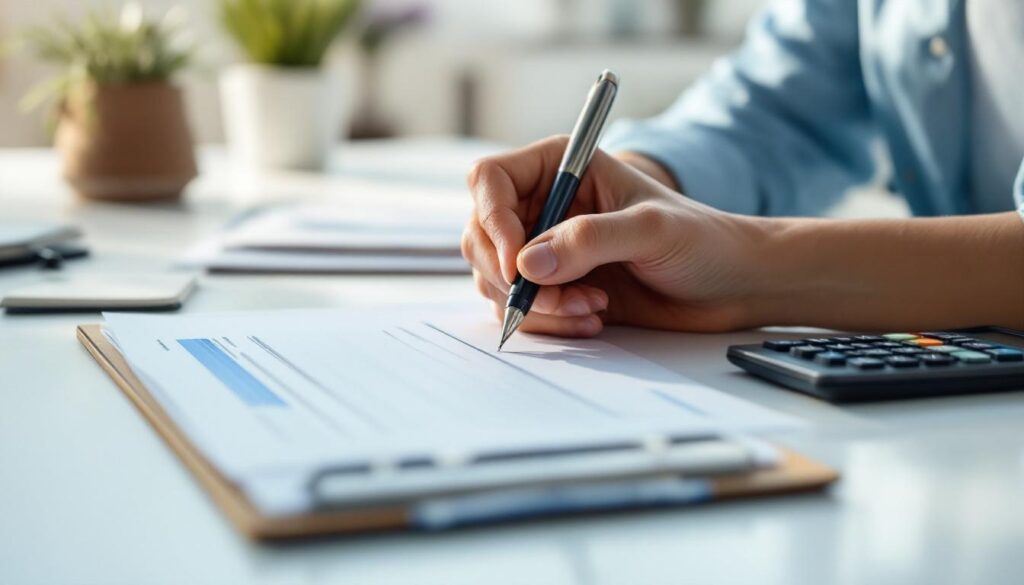
    Writing a check might feel old-fashioned in a world of apps and tap-to-pay, but it’s still a useful skill. Some landlords, small businesses, and older family members prefer checks, and sometimes a check is the only acceptable method for certain payments.

    This guide walks through each step in a clear, friendly way, so checks no longer feel intimidating. The goal is to make the process quick, accurate, and secure.

    How to Write a Check in Six Simple Steps

    Breaking the process into manageable steps helps avoid mistakes and keeps funds secure.

    • Each step focuses on a different part of the check, from the date to the signature, and explains common pitfalls to watch for.
    • The instructions apply to standard personal checks—if using a business or cashier’s check, the layout can vary slightly, but the principles remain the same.
    • Before starting, make sure the checkbook information matches the account intended for payment. If any details differ, double-check with the bank.
    • Also, have a pen handy—preferably black or blue ink—and write legibly to prevent confusion or potential fraud.

    Step 1: Write the Current Date

    Locate the date line in the upper-right corner of the check and enter the current date.

    Advertisement
    • Use a clear format, such as “March 15, 2025” or “03/15/2025.”
    • Avoid vague entries like “ASAP” or leaving the date blank; post-dating is acceptable in some situations, but it can complicate processing.
    • Post-dating a check means writing a future date so it can’t be cashed until that date arrives.
    • While legal in many places, banks aren’t always required to honor post-dating requests, so confirm with the payee beforehand if needed.
    • For most routine payments, using the actual date keeps everything straightforward and avoids confusion.

    Step 2: Specify the Payee’s Name

    On the line that reads “Pay to the order of,” write the full name of the person or business receiving the money.

    • Be precise—use a legal name for individuals or the official business name for companies.
    • If the recipient is a trust or joint account, include those details to ensure the check can be deposited or cashed without delay.
    • If paying an individual and are unsure about their full name or spelling, double-check beforehand.
    • For payments to a business, use the name as it appears on invoices or official letters.
    • Avoid vague entries like “Cash” unless giving the check to a trusted person who intends to cash it personally—that method increases the risk if the check is lost or stolen.

    Step 3: Enter the Amount in Numbers

    There’s a small box or space on the right side of the check for writing the numerical amount.

    • Enter the dollar amount clearly, including cents.
    • For example, write “$125.50” for one hundred twenty-five dollars and fifty cents.
    • Keep the numbers close to the left edge of the box to reduce the chance of someone altering the amount.
    • Use a decimal point for cents, and never leave wide gaps.
    • If the amount is a whole number, write the cents as “.00” to indicate zero cents.
    • Writing amounts neatly and exactly helps both the bank and the payee process the check correctly and avoids potential fraud.

    Step 4: Spell Out the Amount in Words

    Directly below the payee line is a longer line for writing the amount in words. This acts as the legal amount if there’s any discrepancy between the numerical and written amounts.

    • Spell out the dollar portion fully and include the cents as a fraction over 100.
    • For example, “One hundred twenty-five and 50/100.”
    • If the cents are zero, write “One hundred twenty-five and 00/100 dollars.”
    • Fill the remaining space by drawing a short line after the written amount to prevent additions.
    • Writing the amount in words reinforces clarity and reduces errors.
    • If the bank detects a mismatch between the numeric entry and the written amount, the written amount typically governs the transaction.

    Step 5: Show the Purpose of Payment

    The memo line in the lower-left corner is optional but useful.

    • Use it to note the reason for the payment, such as “January rent,” “Invoice #234,” or “Birthday gift.”
    • This helps the payee track payments and makes record-keeping easier for both parties.
    • For recurring transactions, a clear memo simplifies bookkeeping and future references.
    • Avoid including sensitive personal information in the memo, such as full account numbers or Social Security numbers.
    • If the memo must include an account number, use only the minimum necessary—this reduces risk if the check is lost or intercepted.

    Often, a concise note is sufficient for tracking purposes without revealing private details.

    Step 6: Sign the Check

    Sign the check on the line in the bottom-right corner exactly as the bank has your signature on file.

    • The signature authorizes the bank to release funds from the account.
    • Without a signature, the check is not valid and will likely be rejected.
    • Use consistent handwriting so the signature matches the one on file.
    • If signing for a business account, use the authorized signatory’s name and, if necessary, include a title underneath.
    • Avoid using initials or nicknames that don’t match the bank’s records.

    Once signed, handle the check carefully—signed but unsigned checks can be risky if misplaced.

    Supporting a Check for Another Person

    Sometimes, you need to support a check for someone else when you transfer money or let someone else deposit a check on your behalf.

    • This usually involves the payee signing the back of the check and writing “Pay to the order of [Name]” to designate the new recipient.
    • Rules vary by bank, so it’s important to confirm the required format for support.
    • Some banks won’t accept third-party support due to fraud concerns.
    • Others may require both parties to be present and to provide identification.
    • When you want to give someone else a check, check the bank’s rules first.
    • Think about safer ways to do it, like having the person who pays put the check in and then transfer the money electronically.

    Understanding Check Endorsement

    An endorsement is the payee’s consent to the bank processing the check. Supports come in several forms: a blank support (just a signature), a restrictive support (such as “For deposit only”), and a special support (such as a transfer to another person or entity). Each type offers different levels of security and flexibility.

    Blank checks are the least secure because anyone holding the check can cash it. A restrictive support limits the check’s use—writing “For deposit only to account #123456” ties the check to a specific account, reducing the risk of misuse. Special endorsements require careful wording to ensure the intended transfer is legally effective.

    Steps to Sign Over a Check

    To sign a check over to someone else, the payee must support the back of the check with a phrase like “Pay to the order of [Recipient’s Name]” followed by the payee’s signature. The new recipient then signs the check as the endorsee and can attempt to deposit or cash it. Both parties should bring IDs to the bank to prove their identities if requested.

    Advertisement

    Given the extra scrutiny and potential for refusal, many banks discourage or deny signed-over checks. It’s often safer and more efficient for the person who paid to put the check in and send the money electronically to the other person. That approach avoids the risk of a bank refusing to support the transaction and streamlines the process.

    Exploring Alternatives to Writing Checks

    Checks remain useful, but plenty of alternatives exist that are often faster, more secure, and more convenient. Digital payments, electronic transfers, and even money orders serve similar purposes depending on the situation. Choosing the best option depends on the recipient’s preferences and the payment.

    When time is of the essence, electronic methods typically outpace paper checks. For legal or large transactions where paper documentation is preferred, cashier’s checks or certified checks can offer an immediate guarantee of funds. Matching the method to the need helps save time and reduce risk.

    Digital Payment Options Available

    Peer-to-peer apps like Venmo, Zelle, and PayPal allow swift transfers between individuals, often with minimal or no fees. Banks also support direct online bill pay services that send either an electronic payment or issue a paper check on the account holder’s behalf. These tools are particularly handy for splitting bills, paying contractors, or sending gifts.

    When selecting a digital payment service, consider speed, fees, and security measures like two-factor authentication. Not all services work for business or give the same protections to customers. So, choose an option that fits the type of transaction and your feelings about electronic transfers.

    Benefits of Using Electronic Transfers

    Electronic transfers are usually faster than mailing a check, sometimes arriving within minutes or hours. They leave a clear digital trail that helps with record-keeping and makes it easier to track payments. Many banks also offer alerts and confirmations, reducing uncertainty about whether a payment was received.

    Security is another advantage—electronic payments minimize the risk of a check being lost, stolen, or altered. Encryption and authentication controls add layers of protection. Still, users should remain vigilant against phishing attempts and ensure their devices are secure before starting transfers.

    Cash and Money Order Considerations

    Cash is immediate and universally accepted, but it lacks a paper trail and can be risky to carry in large amounts. Money orders are a safer paper alternative to cash, useful when a check isn’t accepted or when the payer doesn’t have a bank account. Money orders can be purchased at post offices, many retail stores, and banks for a small fee.

    Money orders are prepaid and generally considered secure, but they still need care—like checks, they can be lost or forged. Keep receipts and record important details such as serial numbers and the payee’s name. For high-value transactions, certified or cashier’s checks from a bank can provide added assurance that funds are guaranteed.

    Advertisement

    Frequently Asked Questions

    What information do you need before writing a check?

    Before writing a check, make sure you have the recipient’s full name, the exact payment amount, and your checkbook ready. You should also know the payment date and the purpose of the check.

    Using a blue or black pen is recommended to prevent tampering or fraud. Having all this information ready helps ensure the check is filled out correctly the first time.

    What are the basic steps to write a check correctly?

    Writing a check usually involves a simple sequence of steps. First, write the date in the top-right corner, then add the name of the person or business you are paying on the “Pay to the order of” line.

    Next, write the payment amount in numerals, then spell it out in words on the line below. After that, you can add a memo describing the payment and sign the check to make it valid.

    Why do you write the amount on a check in both numbers and words?

    Checks require the amount to be written twice as a security measure. The numeric amount appears in the small box, while the written amount appears on the long line below the payee’s name.

    This helps prevent fraud because banks compare the two amounts to confirm the correct payment. If the numbers and words do not match, banks typically use the written amount as the official value.

    What happens if you make a mistake when writing a check?

    If you make a mistake while writing a check, the safest option is usually to void it and start with a new one. To void a check, write “VOID” clearly across the front and keep it for your records or discard it safely.

    This prevents anyone from using the incorrect check and helps avoid banking errors. Using a new check ensures the payment details are clear and accurate.


    Checking Account Finance Tips Money Management
    Share. Facebook Twitter LinkedIn Email Copy Link
    Previous ArticleWhy Stock Analysis Matters for Investors
    Next Article Learn How to Open a Savings Account in Simple Steps
    Thomas Tan

    Thomas Tan is a Personal Finance Writer and Financial Content Strategist with over 10 years of experience helping individuals make smarter financial decisions. He specializes in topics such as budgeting, debt management, saving strategies, and financial behavior, translating complex financial concepts into clear, actionable guidance. His work focuses on empowering readers to build sustainable financial habits and confidently navigate their financial lives, combining data-driven insights with practical, real-world advice.

    More Like This

    Online vs. Traditional Checking Accounts: Which Is Better for Everyday Banking?

    By Thomas TanApril 29, 2026

    Interest-Bearing Checking Accounts: Are They Worth It in 2026?

    By Thomas TanApril 28, 2026

    Joint Checking Accounts: Who Owns the Money and Who Pays the Fees?

    By Thomas TanApril 27, 2026
    Helpful Resources

    Online vs. Traditional Checking Accounts: Which Is Better for Everyday Banking?

    April 29, 2026

    Interest-Bearing Checking Accounts: Are They Worth It in 2026?

    April 28, 2026

    Joint Checking Accounts: Who Owns the Money and Who Pays the Fees?

    April 27, 2026

    No Overdraft Fee Checking Accounts: What to Look For Before You Open One

    April 26, 2026

    Financial Clarity. Everyday Confidence.

    Facebook X (Twitter) YouTube LinkedIn
    Calculators

    Emergency Fund Calculator

    Compound Interest Calculator

    Interest Rate Calculator

    Net Worth Calculator

    Mortgage Calculator

    How Much Home Can I Afford

    Debt-to-Income Ratio Calculator

    Cost of Living Calculator

    Savings Calculator

    Savings Goal Calculator

    Monthly Budget Calculator

    Latest Resources

    Online vs. Traditional Checking Accounts: Which Is Better for Everyday Banking?

    April 29, 2026

    Interest-Bearing Checking Accounts: Are They Worth It in 2026?

    April 28, 2026

    Joint Checking Accounts: Who Owns the Money and Who Pays the Fees?

    April 27, 2026

    No Overdraft Fee Checking Accounts: What to Look For Before You Open One

    April 26, 2026
    About & Legal

    About Amppfy

    Editorial Policy

    EULA

    Terms of Use

    Acceptable Use Policy

    Privacy Policy

    Cookie Policy

    Disclaimer

    Do Not Sell or Share My Personal Information

    Acceptable Use Policy

    Disclaimer: Amppfy is committed to keeping its information transparent, accurate, and up-to-date. The information on Amppfy is provided for educational and informational purposes only and should NOT be considered financial, investment, tax, or legal advice. You should consult a qualified financial professional before making any financial decisions. This information may differ from what you find on the specific product or service provider’s website. All information, content, software, tools, products, or services on Amppfy are presented without warranty or guarantee. Please review the specific provider’s terms and conditions when evaluating products or services. By accessing Amppfy or using our AI generator tools, you acknowledge that you have read, understood, and agreed to our EULA, Terms of Use, Acceptable Use Policy, Privacy Policy, Cookie Policy, and Disclaimer. Amppfy.com uses cookies. For more information, visit Amppfy’s Cookie Policy. Amppfy may be compensated through third-party advertisers and affiliates. For more information, visit Amppfy’s Disclaimer.

    Copyright© 2026 Amppfy | All Rights Reserved

    Type above and press Enter to search. Press Esc to cancel.

    Advertiser Disclosure: Products may include affiliate links related to financial products or services. We may earn a commission at no additional cost to you. Our content remains independent and focused on helping you make informed financial decisions.
    Fact Checked
    Financial Disclaimer

    This content is for informational and educational purposes only and should not be considered financial advice. Personal finance decisions—including budgeting, saving, investing, credit, mortgages, taxes, and debt management—depend on your individual circumstances. Always consult a qualified financial professional before making financial decisions.

    Editorial Standards and Content Integrity

    Our editorial process ensures accuracy, clarity, and trust across all personal finance topics, including budgeting, saving, investing, and debt management. Content is created using credible sources such as government agencies, academic research, and established financial institutions, and may incorporate insights from industry experts when relevant. Each article is reviewed for accuracy, timeliness, and relevance before publication and updated as needed to reflect changes in financial guidelines and best practices, with the goal of providing clear, evidence-based information to help readers make informed financial decisions.

    Learn more about our editorial policy and guideline.