
If you’ve been house hunting in 2026, you already know the math is brutal. The median existing home hit $417,700 this spring, mortgage rates are hovering around 6.4%, and that “starter home” your parents bought for $120,000 might as well be a fairy tale. But there’s a housing option sitting right in front of millions of buyers that most people dismiss before spending five minutes researching it. Manufactured homes cost roughly 40% less per month than traditionally built houses, according to Fannie Mae, and they’re nothing like what you’re picturing.
Why 2026 Is a Turning Point for Factory-Built Housing
Something shifted this year. Between Congress debating the 21st Century ROAD to Housing Act, appreciation data that’s turning heads among real estate analysts, and a growing wave of buyers who simply can’t afford site-built homes, manufactured housing is having a genuine moment.
Yet three stubborn myths keep qualified buyers from even considering this path. These aren’t minor misunderstandings: they’re outdated beliefs about manufactured homes that are actively locking people out of homeownership. Here’s what’s actually true in 2026, backed by current data and real numbers.
Myth #1: “They’re Just Trailers With Better Marketing”
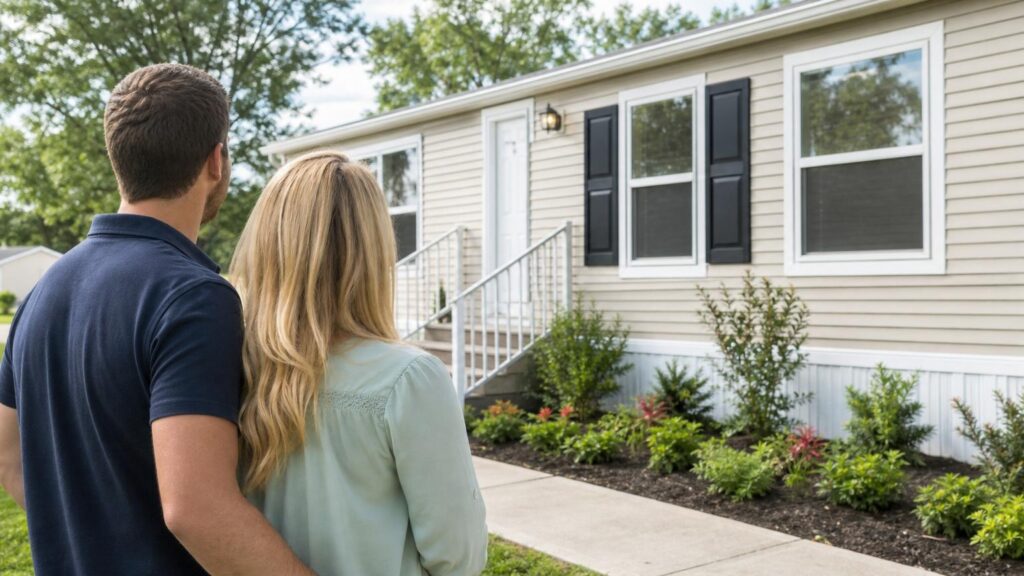
This one has the longest shelf life, and it’s the most wrong. The image most people carry around is a single-wide box from 1985 with wood paneling and a sagging porch. That mental picture is about as accurate as imagining a flip phone when someone says “smartphone.”
Here’s what modern manufactured homes actually look like:
- Multi-section layouts with 1,500 to 2,400+ square feet
- Pitched roofs, covered porches, and attached garages that are visually indistinguishable from site-built homes
- Open-concept floor plans with kitchen islands, walk-in closets, and modern finishes
- Energy-efficient construction built in climate-controlled factories with less material waste
Every manufactured home built after June 1976 must meet the HUD Code, a set of federal construction and safety standards. These aren’t suggestions: they’re enforced requirements covering structural design, fire safety, energy efficiency, and more.
The Chassis Rule That’s About to Change
Here’s a quirk most people don’t know about: federal regulations still require manufactured homes to be built on a permanent steel chassis, basically a towable frame. In practice, that chassis is used exactly once to transport the home to its site, and then it never moves again. Fewer than 10% of manufactured homes are ever relocated, according to Pew Research Center data.
The 21st Century ROAD to Housing Act, currently working through Congress, would eliminate this chassis requirement. That single change could:
- Cut $5,000 to $10,000 from the cost of a typical single-section home (per estimates from the Niskanen Center)
- Open the door to multi-story designs that fit urban lots
- Blur the distinction between manufactured and modular construction, reducing stigma
If this legislation passes, expect a wave of new designs and configurations that make the “trailer” label even more absurd than it already is.
Myth #2: “Manufactured Homes Always Lose Value”
This is the myth that costs people the most money, because it scares away buyers who could be building real equity.
The truth depends almost entirely on one factor: do you own the land underneath your home?
Appreciation Data That Might Surprise You
A 2026 Realtor.com report tracked manufactured home values and found striking results:
| Home Type | Value Gain (2019-2026) |
|---|---|
| Manufactured homes on owned land | ~70% |
| Single-family site-built homes | ~59% |
| Manufactured homes on leased lots | ~51% |
Read that again. Manufactured homes on owned land actually outpaced traditional single-family homes in appreciation over the past seven years. Growth was especially strong in Sun Belt markets, where manufactured housing is popular among retirees and first-time buyers alike.
The Honest Caveats
I’m not going to pretend the resale picture is identical to a site-built home. There are real differences:
- Longer time on market: Manufactured homes tend to sit about 18 days longer before selling
- More frequent price reductions: Sellers are more likely to need at least one price cut
- Lender perception: Some buyers face slightly more friction getting financing approved for a resale manufactured home
But those trade-offs look a lot different when you consider the entry price. At a median of $245,000 (for a manufactured home purchased with land using a conventional mortgage, per December 2025 federal data), you’re spending roughly $173,000 less than the median existing home. Even with a slower resale, the equity math can work strongly in your favor.
How the Math Actually Works: Monthly Payment Comparison
Let’s put real numbers on this using a 6.4% APR, 30-year fixed mortgage with 20% down:
| Manufactured Home + Land | Median Existing Home | |
|---|---|---|
| Purchase price | $245,000 | $417,700 |
| Down payment (20%) | $49,000 | $83,540 |
| Loan amount | $196,000 | $334,160 |
| Monthly P&I | ~$1,226 | ~$2,090 |
| Monthly savings | $864 | – |
That $864 monthly difference is $10,368 per year. Over five years, that’s more than $50,000 in cash flow you’re keeping, not counting potential appreciation on the home itself.
Myth #3: “You Can’t Get a Real Mortgage for One”
This myth was partially true 20 years ago. In 2026, it’s mostly fiction, though the details matter.
Your Financing Options at a Glance
| Loan Type | Requirements | Typical Terms |
|---|---|---|
| Conventional mortgage (Fannie Mae/Freddie Mac) | Home titled as real property, on owned land, permanent foundation | 30-year terms, competitive rates |
| FHA loan | Meets HUD standards, permanent foundation, real property title | Low down payment options (3.5%) |
| VA loan | Eligible veteran, meets HUD and VA requirements | Zero down payment possible |
| USDA loan | Rural location, income limits, permanent foundation | Zero down payment possible |
| Chattel loan | Home classified as personal property (e.g., on leased land) | Shorter terms, higher rates |
The key distinction is real property vs. personal property:
- Real property: Your manufactured home sits on a permanent foundation on land you own. You can get a conventional mortgage with standard rates and terms.
- Personal property: Your home sits on leased land (common in manufactured home communities). You’ll typically need a chattel loan, which works more like a car loan: shorter repayment periods and higher interest rates.
Which Path Makes More Financial Sense?
A chattel loan isn’t automatically a bad deal. For some buyers, especially in rural areas where affordable rentals are scarce, buying a manufactured home in a land-lease community with a chattel loan still beats renting. You’re building some equity, you have housing stability, and your monthly costs may be lower than local rent.
That said, a traditional mortgage generally offers:
- Lower interest rates (often 1-3 percentage points less than chattel loans)
- Longer repayment terms (30 years vs. 15-20 for chattel)
- Stronger consumer protections if you fall behind on payments
- Better long-term appreciation potential (because you own the land)
One thing that trips up buyers: the builder or dealer may push their preferred lender. You are not obligated to use them. Compare quotes from at least three different lenders. Rates and fees can vary by thousands of dollars over the life of your loan.
Red Flags to Watch When Shopping for a Manufactured Home
Not every deal is a good one. Watch for these warning signs:
- High-pressure sales tactics from dealers who want you to sign today
- A single financing option presented as your “only” choice
- Land-lease agreements with vague escalation clauses that let lot rent spike unpredictably
- Homes not built to current HUD Code (always verify the data plate and HUD certification label)
- Zoning restrictions in your target area that prohibit manufactured homes or limit where they can be placed
- Skipping a home inspection because “it’s factory-built.” Factory construction reduces some risks, but site installation, foundation work, and utility connections all need professional review.
What the ROAD to Housing Act Could Mean for Your Budget
If Congress passes this bill, the practical effects for buyers could include:
- Lower purchase prices from eliminating the chassis requirement
- More design variety, including multi-story options for smaller lots
- Expanded zoning acceptance as the line between manufactured and modular homes blurs
- Potentially easier financing as lenders become more comfortable with updated building standards
None of this is guaranteed, and policy changes often move slowly. But the direction is clear: manufactured housing is being taken more seriously at the federal level than at any point in recent memory.
Take 30 Minutes This Week to Run Your Own Numbers
If you’ve dismissed manufactured homes without actually pricing them out, here’s a simple exercise:
- Search Realtor.com or Zillow for manufactured homes on owned land in your target area
- Compare the median price to site-built homes in the same zip code
- Run both through a mortgage calculator at current rates
- Factor in property taxes and insurance for each option
- Look at the monthly difference and ask yourself what you’d do with that extra cash
You might be surprised. Or you might confirm that a site-built home is the right call for your situation. Either way, you’ll be making that decision based on real numbers instead of outdated assumptions.
Frequently Asked Questions
Can I place a manufactured home in any neighborhood I want?
Not necessarily. Local zoning laws vary widely, and some municipalities restrict where manufactured homes can be placed. Before purchasing, check with your local planning or zoning office. Some areas have updated their codes in recent years to be more accommodating, but others still have restrictions that effectively ban them from certain residential zones.
Do manufactured homes hold up well in severe weather?
Homes built to current HUD Code standards include wind zone ratings (Zones I, II, and III) that correspond to regional weather risks. Zone III homes are engineered for areas prone to hurricanes and high winds. Proper installation on a permanent foundation with appropriate anchoring is critical. A poorly installed home of any type is vulnerable, so always verify that your installer follows manufacturer specifications and local requirements.
What happens to my financing if I own the home but lease the land?
Your home is classified as personal property rather than real property, which means you’ll typically use a chattel loan instead of a conventional mortgage. Chattel loans carry higher interest rates, shorter terms, and fewer consumer protections. If your land-lease agreement expires or the lot owner sells the property, you could face difficult choices. Always review the lease terms carefully and consider consulting a real estate attorney before signing.
Is a manufactured home a good first-time buyer strategy in 2026?
For many buyers priced out of the traditional market, a manufactured home on owned land can be a practical path to building equity. The 40% lower monthly cost compared to site-built homes frees up cash for savings, retirement contributions, or paying down other debt. That said, every financial situation is different. Talk to a HUD-approved housing counselor or financial advisor who can evaluate your specific income, credit profile, and long-term goals before committing.