
Close Menu

    Subscribe to Updates

    Get the latest creative news from FooBar about art, design and business.

    What's Hot

    Social Security COLA 2027: What the 3.6% Raise Means for Your Monthly Plan

    November 6, 2026

    Best Free Budget Apps in 2026: iPhone, Android, and Web

    November 6, 2026

    Federal Pay Period Calendar for 2027: Every Pay Period and Payday

    November 6, 2026
    Facebook X (Twitter) Instagram
    Amppfy
    • Safe to Spend™ App
      • Amppfy on iPhone — one clear number with the status scale and the math under itYour number, in your pocketFree on iPhone and Android, with the same account on the web.
        • Download on the App Store
        • Get it on Google Play
        • Prefer the web? Sign up free ›
      • The app
        • OverviewOne clear number for what’s safe to spend before payday
        • Safe-to-Spend™The four-line math, always shown
        • Weekly check-inTen minutes a week keeps it honest
      • Features
        • Bills & paydaysEvery bill and payday on one calendar
        • GoalsSavings that fund themselves first
        • For couplesTwo logins, one number you both trust
        • SubscriptionsWhat you pay monthly, and what cancelling gives back
        • Calendar & heads-upsYour month at a glance, a heads-up before bills land
        • Net worth & payday nudgeThe whole picture, month by month
        • BudgetWhere the month’s money goes, month by month
      • Trust & help
        • Security & privacyJust your balances, optional two-step verification
        • Help centerSetup, the number, check-ins, FAQ
        • Open the web appSame account, any browser
    • Budget & Save
      • Budget & SaveOne number for what’s safe to spend before paydayBudgeting that starts from your balances, not a spreadsheet.Explore Budget & Save ›95 guides · 482 articles
      • Budgeting
        • Budgeting basics
        • Start a budget
        • Monthly budget
        • Budget methods
        • 50/30/20 budgeting
        • Zero-based budgeting
        • Budgeting mistakes
        • Budgeting tips
        • Budgeting tools
        • Couples budgeting
        • Family budgeting
        • Vacation budgeting
        • How to budget and save money
        • Common Budgeting Mistakes and How to Fix Them
        • 5 Steps to Stop Living Paycheck to Paycheck
        • Are You Living Paycheck to Paycheck?
        • How to Build a Simple Monthly Budget You’ll
        • Best Budgeting Apps Compared
        • Cut Recurring Costs
        • How to Track Every Dollar
        • 5 Easy Budgeting Apps You Need to Try
        • How to Cut Household Expenses Without Feeling
        • Budget Repair for Ages 18–28 with $30–50k Income
        • Beginner’s Guide to Creating a Monthly Budget
      • Saving
        • Savings
        • Savings goals
        • Savings plan
        • Savings buckets
        • Sinking funds
        • Cut expenses
        • Groceries savings
        • Smart saving strategies
        • Saving in a recession
        • Savings tips
        • Savvy saver
        • Maximize your savings
        • Debt-to-Income Ratio Calculator
        • Savings Calculator
        • Savings Goal Calculator to Help You Master Your
        • Monthly 50/30/20 Budget Calculator to Maximize
        • When to Use a High-Yield Savings Account vs
        • 14 Simple Ways to Cut Monthly Expenses
        • How to Set Up Savings Buckets in 20 Minutes
        • How to Create a Savings Plan
        • How to Build a 6-Month Savings Plan for Financial
        • How to Set Realistic Savings Goals and Hit Them
        • The 52-Week Savings Challenge
        • How to Maximize Savings
      • Emergency fund
        • Emergency fund
        • How much to save
        • Where to keep it
        • Rainy day fund
        • Emergency savings
        • Emergency buffer
        • Best emergency fund tips
        • Emergency Fund Calculator
        • Building a Rainy Day Fund
        • How to Calculate Your Emergency Fund
        • Sinking Funds vs. Emergency Fund
        • 5 Best High-Yield Savings Accounts for Emergency
        • Emergency Funds
        • Why an Emergency Fund Is Non-Negotiable
        • Why an Emergency Fund Is Crucial for Financial
        • Millions Can’t Cover an Emergency Expense. Here’s
        • 5 High-Liquidity Places to Park Your First $1,000
        • Saving Strategies for Emergency Funds and Retirement
        • Short-Term Savings Goals vs Emergency Fund
        • Emergency Fund Explained
        • Emergency Fund vs. Investing
        • Emergency Fund Guide
        • How Much Emergency Fund Do You Need?
        • Build Your Emergency Fund Fast
      • Money habits
        • Money management
        • Money management basics
        • Money habits
        • Money mindset
        • Money matters
        • Monthly financial reviews
        • Spend tracking
        • Smart spending
        • Cash flow
        • Net worth
        • Know your money
        • Financial literacy
        • Net Worth Calculator
        • How to Calculate Your True Debt-to-Income Ratio
        • What a Simple 7-Question Money Quiz Reveals About
        • Do Personal Money Management Tools Work?
        • The 3 Key Personal Finance Metrics Every Household
        • How to Build a Simple Monthly Financial Review Habit
        • Beginner’s Guide to Tracking Spending
        • Building a Savings Habit
        • What Is Financial Literacy?
        • Are Financial Advisor Fees Negotiable?
        • Psychology of Money Management
        • Should You Skip That Charitable Donation at the
      • Financial planning
        • Financial planning
        • Financial goals
        • Financial wellness
        • Financial freedom
        • Financial independence
        • Financial resilience
        • Financial self-assessment
        • Finance
        • Finance tips
        • Compound interest
        • Long-term wealth
        • Wealth building
        • Life-stage financial planning
        • Compound Interest Calculator
        • The Cashflow Calendar
        • What to Expect When Meeting with a Financial Advisor
        • How to Map Short, Medium, and Long Financial Goals
        • Financial Independence Roadmap
        • 50/30/20 Budget Rule
        • Personal Finance Mastery
        • How to Start a Budget
        • 5 Proven Saving Strategies to Reach Your Financial
        • Steps to Build Financial Resilience for Life Events
        • The Ultimate Guide to Financial Literacy
      • Income
        • Side hustles
        • Side hustle ideas
        • Side income
        • Extra income
        • Using extra income
        • Passive income
        • Gig economy
        • Gig work
        • Gig earnings
        • Freelance finance
        • Irregular income
        • Online income
        • Renting out assets
        • Selling unused items
        • Small business ideas
        • How to make money online
        • Salary
        • Selling Handmade Crafts Online
        • 10 Side Hustles You Can Start this Weekend
        • How to Start Freelance Writing
        • Budgeting for Irregular Income
        • Short-Term Income Boosters
        • Explore the Lucrative World of Delivery Driving
        • Building Your Credit as a Gig Worker
      • Family & life events
        • Family finance
        • Family costs
        • Family financial education
        • Teen money skills
        • New immigrant finance
        • Recovery after job loss
        • Healthcare costs
        • Healthcare savings
        • Cost of living
        • How to Rebuild Savings After a Job Loss
        • 529 Plans 101
        • How to Teach Financial Literacy to Teenagers
        • Real Cost of Raising Two Kids
        • Family Budgeting
        • Family of Four Budget
        • Winter Break Childcare
        • Thanksgiving Hosting on a Budget
        • Gifts for Kids on a Tight Pay Cycle
        • The Small Holiday Costs That Add Up
        • Holiday Gift Budget for Couples
        • Gift Cards After the Holidays
        • Holiday Returns and Refunds
        • Holiday Spending on a Pay Schedule
        • When Your Payday Moves Early
      • Big purchases & cars
        • Major money decisions
        • Major purchase planning
        • Major purchases
        • Buying a car
        • Buying a used car
        • Car buying
        • Moving expenses
        • How to Plan for a Major Purchase Without Going into
        • What to Check When Buying a Used Car
        • A Beginner’s Guide to Car Buying
        • Insurance in a Household Budget
        • Transportation Budget
        • First Paycheck, First Lease
        • Moving Without Draining Your Account
        • How Much Should You Keep for Car Repairs?
        • Saving for a Car Down Payment on a Paycheck Schedule
        • Moving In Together
        • Car Insurance Due in One Lump?
        • Should Your Car Count Toward Net Worth?
      • Money & the economy
        • The economy
        • Economic trends
        • Jobs report
        • U.S. financial system basics
        • Personal finance news
        • Free Interest Rate Calculator
        • Managing Your Savings During a Recession
        • Emergency Fund for a Recession
        • How to Navigate US Financial Systems as a New
        • How to Manage Your Savings During a Recession
        • Social Security COLA
        • Gig Economy Playbook
    • Debt & Credit
      • Debt & CreditPay it down, then make your score work for youPayoff plans that fit a pay cycle, and the credit moves that stick.Explore Debt & Credit ›36 guides · 109 articles
      • Pay off debt
        • Debt payoff
        • Debt-free journey
        • Credit card debt
        • Debt consolidation
        • HELOC payoff strategy
        • Debt as a single parent
        • Debt-Snowball vs. Debt-Avalanche
        • The Pros and Cons of Debt Consolidation
        • Debt Snowball vs Avalanche
        • Consolidating Debt
        • Saving for a Wedding Without Going Into Debt
        • Emergency Buffer While Paying Down Debt
        • How to Build a Realistic 6-Month Debt Payoff
        • Rolling Over a 401 to Pay Down Debt Without
        • Payoff Strategies for Single Parents with Multiple
        • How to Use Extra Cash to Crush Debt Fast
      • Loans
        • Student loans
        • Auto loans
        • Auto loan debt
        • Personal loans
        • Personal loan debt
        • Personal loan refinance
        • Refinancing a personal loan
        • Medical debt
        • How to Refinance a Personal Loan
        • Can You Refinance a Personal Loan?
        • What to Know Before Taking Out a Personal Loan
        • How to Deal With Personal Loan Debt
        • 5 Tips for Paying Off Your Auto Loan Early
        • Best Personal Loans
        • When to Refinance a Personal Loan
        • Student Loan Repayment Options
        • Medical Debt in America
        • Medical Debt Explained
        • Student Loans 101
        • Dealing With Student Loans
        • Auto Loans Explained
        • Budgeting with a High-Interest Personal Loan
        • Fast and Simple Auto Financing
        • Creating a Debt-Repayment Fund for Unexpected Loans
      • Credit score
        • Credit score
        • What credit scores mean
        • How credit scores are calculated
        • Checking your credit score
        • Improve your credit score
        • Build credit
        • Credit health
        • Credit reports
        • Credit basics
        • Credit for gig workers
        • How to Remove Negative Items from Your Credit Report
        • How to Build Credit
        • Understanding Credit Utilization
        • What Is Credit?
        • How to Build Credit From Scratch at Any Age and
        • How to Start or Rebuild Credit
        • Credit Utilization
        • How Long Do Negative Marks Stay on Your Credit
        • How to Read Your Credit Report and Dispute Errors
        • How to Check and Improve Your Credit Score
        • How Long Negative Items Stay on Your Credit Report
        • Credit Score 101
        • Dispute a Credit Report Item
        • Medical Bills on Your Credit Report
      • Credit cards
        • Credit cards
        • Credit cards for beginners
        • Credit card rewards
        • Balance transfer cards
        • Best Credit Cards to Build or Rebuild Credit and
        • Balance Transfers Explained
        • Best Starter Credit Cards for Building Credit
        • What to Do If Your Credit Card is Lost or Stolen
        • How to Pay Off Credit Card Debt Fast
        • How to Pick the Best Rewards Credit Card for
        • Best Practices for Responsible Credit Card Use
        • Using a Balance Transfer Credit Card to Pay Off
        • 10 Ways to Pay Off Credit Card Debt
        • Using a HELOC to Pay Off High-Interest Credit Card
        • Credit Card Hacks
        • Beginner’s Plan to Pay Off Credit Card Debt Fast
        • Financial Advice for Single Parents
        • How to Use Credit Cards Safely to Earn Rewards
        • Secured Credit Cards and Credit-Builder Loans
        • Credit Card Basics
        • Secured vs. Unsecured Credit Cards
        • AmEx and Fanatics to Partner on New Credit Card
        • American Express Gold Card Unveils New and Updated
        • 5 Things to Know About the Robinhood Platinum Card
      • Relief & protection
        • Debt relief
        • Bankruptcy
        • Negotiating with creditors
        • Predatory lenders
        • Wage garnishment
        • Credit freeze
        • Credit protection
        • Fraud awareness
        • Truth About Credit Freezes and When to Use One
        • How to Freeze and Unfreeze Your Credit with All 3
        • How to Negotiate with Creditors
        • Credit Freeze Guide
        • How to Avoid Predatory Lenders and Spot Scams
        • Personal Loan Debt Relief Options
        • How to Freeze and Thaw Your Credit Report
        • How to Freeze and Unfreeze Your Credit
        • When Bankruptcy Might be an Option
        • Budgeting Around Wage Garnishment
        • Identity Theft Checklist
        • Monitoring vs Freezes
    • Invest & Retire
      • Invest & RetireStart small, stay boring, retire on timeIndex funds, brokerages and retirement accounts without the jargon.Explore Invest & Retire ›54 guides · 168 articles
      • Start investing
        • Investing
        • How to start investing
        • Start investing with little money
        • Start investing with $100
        • Fear of investing
        • Brokerage setup
        • Investing risk
        • Investments
        • Investment Calculator
        • Why the Price-to-Earnings Ratio Matters
        • How to Start Investing with Little Money
        • Best Apps for Beginner Investors
        • Dollar-Cost Averaging Investing Strategy
        • Investing for Beginners
        • How to Build a Diversified Investment Portfolio
        • Investing Basics for Beginners
        • I’m 25. Here’s How I Got Started Investing
        • How to Start Investing While Paying Down Debt
        • How to Start Investing and Build Your Financial
        • How to Start Investing and Build Wealth
        • How to Start Investing if You’re Scared of the
      • Strategy
        • Investing strategy
        • Investment strategies
        • Your investing portfolio
        • Diversification
        • Diversifying your investments
        • Investing mistakes
        • Investing tips
        • Investment tips
        • Best investing tips
        • Risk management
        • Understanding Custodial Accounts
        • Recession-Proof Your Portfolio
        • How to Rebalance Your Portfolio
        • When to Use Dollar-Cost Averaging vs Lump Sum
        • 5 Simple Portfolios for New Investors
        • Diversification Strategies
        • Top 11 Investments to Consider
        • Asset Allocation for the Mid-Career Investor
        • How to Understand Investment Risk and Protect Your
        • 5 Smart Diversification Strategies to Spread Your
        • Behavioral Mistakes New Investors Make
        • Set-It-And-Forget It
        • Investing Mistakes New Investors Make and How to
        • Diversification Tips for High-Income Earners with
      • Stocks
        • Stock market
        • Stock market basics
        • How to start investing in stocks
        • Stock analysis
        • Stock trading
        • Stock trading strategies
        • S&P 500
        • Options trading
        • Margin trading
        • Short selling
        • How to Make Money in Stocks
        • How to Short a Stock in 5 Easy Steps
        • Bullish vs. Bearish
        • Top 8 Investment Account Options for Children
        • How to Read Stock Charts
        • How the Stock Market Works
        • Investing 101
        • How Stock Trading Works
        • Finding the Best Stocks to Weather Inflation
        • How to Start Investing in Stocks with Little Money
        • Beginner’s Guide to Analyzing Stocks in 5 Steps
        • How to Protect Your Investments in a Stock Market
        • Identify Recession-Resistant Stocks to Outperform
        • Margin Trading Explained
      • Funds & assets
        • Index funds
        • Index funds for beginners
        • Best S&P 500 index funds
        • ETFs
        • Dividend investing
        • Bonds
        • Bond investing
        • Crypto
        • Investment types
        • The 7 Best S&P 500 Index Funds
        • Index Funds vs. Actively Managed Funds
        • Beginner’s Guide to Index Funds
        • Choosing the Best S&P 500 Index Fund for Your
        • Mutual Funds vs. ETFs
        • The Best Low-Cost ETFs for Beginners to Buy Right
        • How to Start Investing in ETFs
        • Index Funds vs. ETFs
        • 7 Best Index Funds Beyond the S&P 500
        • How to Invest in Index Funds
        • Dividend Investing for Beginners
        • How Index Funds Track the S&P 500 Index
        • How to Start Investing in S&P 500 Index Funds
        • How Bond Index Funds Provide Stability and Income
        • Common Beginner Mistakes When Investing in ETFs
      • Platforms
        • Brokerages
        • Investment platforms
        • Stock brokerage platforms
        • Robo-advisors
        • Fidelity
        • Fidelity Go Review
        • Choosing between Vanguard and Fidelity for
        • Robinhood vs. E*TRADE
        • How to Manage Multiple Brokerage Accounts
        • Opening a Brokerage Account and Its Benefits
        • Fidelity vs. Schwab
        • Manage Multiple Brokerage Accounts
        • Robo-Advisors vs. Human Advisors
        • How Brokerage Fees and Commissions Affect Your
        • Robo-Advisors vs. Traditional Brokers
        • Maximizing Returns
        • Robo-Advisors vs DIY Investing
        • How to Choose the Best Brokerage Account for
      • Retirement
        • Retirement
        • Retirement planning
        • Retirement planning basics
        • Retirement saving
        • Retirement accounts
        • Retirement income
        • 401(k)
        • IRA
        • Social Security
        • Estate planning
        • Estate basics
        • Wealth transfer
        • Roth IRA vs. Traditional IRA
        • Target-Date Funds Explained and When to Use Them
        • Tax-Advantaged Accounts
        • How to Build a Simple, Low-Stress Retirement
        • Social Security Basics
        • How to Maximize Employer 401 Match
        • How to Choose the Right ETF for Your Goals
        • Stock Investing for Major Life Goals
        • Long-Term Care for Retirement
        • 401 Basics
        • Are You Making These Retirement Mistakes?
        • Retirement Planning Essentials
    • Home & Insurance
      • Home & InsuranceBuy, borrow and insure the biggest thing you ownFrom the first down payment to the policy that protects it.Explore Home & Insurance ›39 guides · 114 articles
      • Buying
        • Home buying
        • First-time home buyer
        • Home affordability
        • Home down payment
        • Down payment strategies
        • How Much House Can I Afford?
        • Buying a Fixer-Upper House?
        • What First-Time Home Buyers Need to Know About
        • Renting vs. Buying
        • How Much Home Can You Afford?
        • How to Save for a Home Down Payment Without
        • How Much Down Payment Do You Really Need to Buy a
        • Why Every First Time Home Buyer Should Attend a
        • Is Renting Better Than Buying?
        • Unlocking Down-Payment Assistance
        • Best Down Payment Strategies for First-Time Home
        • Understanding First-Time Home Buyer Loans and
        • 9 Steps to Successfully Buy a House
        • First-Time Home Buyers Top 21 Checklist
        • Saving for a Down Payment to Buy a House
        • From Pre‑Approval to Closing a New Home
      • Mortgage
        • Mortgage
        • Mortgage basics
        • Mortgage types
        • Adjustable-rate mortgages
        • Mortgage rates
        • Mortgage application
        • Mortgage payment
        • Mortgage payoff strategies
        • Mortgage refinance
        • Mortgage tips
        • How to Calculate the Debt-to-Income Ratio for a
        • Mortgage Amortization Calculator
        • How to Refinance a Mortgage with Low Credit
        • Refinance Your Mortgage
        • Free Mortgage Calculator To Estimate Your Monthly
        • First-Time Homebuyer Checklist
        • Fixed vs. Adjustable Mortgage
        • Leveraging Credit Score Improvements Before
        • Navigating Rising Mortgage Rates
        • Refinance, Rate Locks and More
        • Credit Scores to Closing Costs
        • The Mortgage Playbook
        • Understanding ARM Mortgage Outlook Homebuyers
        • Understanding Mortgages
      • Owning
        • Home ownership
        • Owning a home
        • Home equity
        • Home improvement
        • Home renovation
        • How to Cover the Cost of Emergency Home Fixes in 8
        • Hidden Costs of Home Ownership
      • Real estate
        • Real estate
        • Real estate investing
        • Getting started in real estate
        • Rental property
        • REITs
        • Evaluating Short-Term Rental Return on Investment
        • Investing in Real Estate Owned Properties
        • Analyzing Real Estate Investment Trusts for Passive
        • Calculating Rental Property Cash Flow Accurately
        • Building a Real Estate Investment Analysis
        • Evaluating a Multi-Family Real Estate Property
        • Evaluating Real Estate Crowdfunding Platforms
        • Estimating Real Estate Property Appreciation for
        • Starting a House Hacking Strategy
        • How to Use Real Estate Wholesaling Strategy for
        • Evaluating Fix-and-Flip Real Estate Opportunities
        • Using Leverage Wisely in Real Estate
        • Structuring a Real Estate Portfolio for Tax
        • Using a 1031 Exchange to Defer Capital Gains Taxes
        • Using Real Estate Syndications to Access Larger
      • Insurance
        • Home insurance
        • Best home insurance
        • Coverage basics
        • Home insurance deductibles
        • Home insurance rates
        • Home insurance claims
        • Policy add-ons
        • Home insurance tips
        • Best home insurance companies
        • How to choose a policy
        • Compare home insurance quotes
        • Instant home insurance quotes
        • Car insurance
        • Life insurance
        • Top 6 Home Insurance Companies
        • Understanding Your Home Insurance Deductible
        • Compare Home and Insurance Quotes
        • Get Your Free Home Insurance Policy Quotes Today
        • The Ultimate Guide to Homeowners Insurance
        • How to Get the Best Home Insurance Policy Quotes
        • Home Insurance Premiums Explained
        • How to Compare Term vs. Whole Life Insurance for
        • Instant Insurance Quotes for Your Home
        • How to Estimate True Homeownership Costs
    • Taxes
      • TaxesKnow what lowers your bill before April doesDeductions, credits and the forms behind them, in the order you meet them.Explore Taxes ›25 guides · 53 articles
      • Filing
        • How to file taxes
        • Tax filing basics
        • Your tax bill
        • Tax refunds
        • Adjusted gross income
        • Adjusted Gross Income Explained
        • Tax Prep Checklist
        • Free File Tax Program Remains Woefully Underused
        • How to File a Tax Extension Online
        • Tax Refund Loan
        • Georgia State Income Tax
        • 6 Smart Ways to Cut Taxes in Retirement and Keep
        • Handling Back Taxes
      • Deductions & credits
        • Deductions
        • Tax deductions, itemized
        • Tax credits
        • Deductions vs credits
        • Saver’s credit
        • Claiming Moving Expense Deductions
        • Understanding Tax Credits vs. Deductions
        • Tax Filing for Beginners
        • How to Lower Your Tax Bill
        • Tax Deductions 101
        • Tax Credit vs. Tax Deduction
        • Earned Income Tax Credit
        • Sales Tax Deduction
        • Mortgage Interest Tax Deduction
        • Itemized Deductions
        • Popular Tax Credits Explained
        • Popular Tax Deductions and Tax Breaks
        • Qualifying for and Claiming the Saver’s Credit
      • Family
        • Child tax planning
        • Child tax credit
        • Child care credit
        • Dependent care credit
        • Maximizing the Child and Dependent Care Credit
        • The Child Tax Credit
        • Child Tax Credit Explained
        • Child and Dependent Care Credit Explained
      • Situations
        • Freelance taxes
        • Gig work taxes
        • Investment taxes
        • Capital gains taxes
        • Retirement taxes
        • HSA
        • Health savings accounts
        • How to File Taxes if You’re Freelancing
        • Capital Gains Tax Rates
        • Understanding Capital Gains Taxes
        • Contributing to HSA
        • How Side-Gig Income Affects Your Taxes
        • Saver’s Credit Explained
        • Tax Strategies for Side Hustles and Gig Working
        • What to Consider Before Moving to a State With No
        • Massachusetts State Income Tax
        • How to Use Health Savings Accounts to Lower Your
      • Planning
        • Tax planning & strategies
        • Tax strategy
        • Tax savings
        • Tax tips
        • Tax Mistakes that Trigger Audits
        • Tax-Advantaged Accounts for Education
        • Wealth Transfer
        • What to Know About Changing Your Tax Withholding
        • How to Choose the Right Tax Software for Your Tax
        • Tax Basics for New Investors
        • How Federal Tax Brackets and Rates Work
        • California State Income Tax Guide
        • Colorado State Income Tax
        • What Is a Marginal Tax Rate?
        • Illinois State Income Tax
        • Year-End Tax Checklist
    • Banking
      • Start hereBanking, without the fees you forgot you payChecking, savings and CDs, explained the way you’d tell a friend.Explore Banking ›14 guides · 215 articles
      • Basics
        • Banking basics
        • Open your first account
        • How to choose a bank
        • Compare banks
        • Bank fees
        • Best Online Bank Accounts
        • How to Open Your First Bank Account
        • Wire Transfer Fees
        • Returned Deposit Fees Explained
        • Open a Bank Account Online
        • Chase Banking
        • How to Avoid Bank Fees
        • Online Bank vs. Brick-and-Mortar
        • Online vs. Traditional Banking
        • Truist Banking Review
        • Switching Banks?
        • Chase vs. Wells Fargo vs. Capital One
        • Credit One Banking
        • Can a Bank Reopen a Closed Account?
        • How to Read Your Bank Statement Like a Pro
        • Can Someone Steal Money With Your Routing Number?
        • How to Setup a Personal Bank Account Online in 5
        • PNC Banking
        • Regions Banking
      • Checking & debit
        • Checking accounts
        • Best checking accounts
        • Debit cards
        • Best Checking Accounts with No Monthly Fees
        • Best Checking Accounts for High-Interest Earnings
        • Understanding the Time It Takes for a Check to Clear
        • Beginner’s Guide to Overdraft Protection
        • How to Mobile Deposit Checks for Beginners
        • Best Checking Accounts with Overdraft Protection
        • Maximizing Rewards
        • When to Stop a Check Payment and the Fees Involved
        • Second Chance Checking vs. Regular Accounts
        • Where to Buy Cheap and Affordable Personal Checks
        • Best Checking Accounts for Joint Accounts
        • How to Choose the Right Checking Account for Your
        • Cashing Checks at Any Bank
        • Best Checking Accounts with Excellent Mobile
        • Two Checking Accounts at One Bank
        • How Much Cash Should You Keep in Each Checking and
        • Begin Anew With Second Chance Checking in the U.S
        • Switching Checking Accounts
        • Overdraft Fees
        • Online vs. Traditional Banks
        • Missing Debit Card?
      • Savings & CDs
        • Savings accounts
        • CD Calculator
        • Understanding the Basics of Savings Account Minimum
        • Money Market Account vs. Savings Account
        • Savings Accounts vs. CDs
        • 5 Common Savings Account Fees You Should Avoid
        • High-Yield vs. Traditional Savings
        • How to Choose the Best High-Yield Savings Account
        • Learn How to Open a Savings Account in Simple Steps
        • Emergency Fund Essentials
        • Maximizing Interest
        • How to Calculate Interest Earnings in Your Savings
        • High-Yield Savings Accounts Explained
        • Determining the Right Number of Savings Accounts
        • How to Use a Money Market Account vs. a Savings
        • Savings Account Hacks for Travel Goals
        • When to Save and When to Invest
        • What is a CD and When It Makes Sense for Your
        • From CDs to Treasurys, What Happens to Yields When
        • CD and HELOC Fees
        • PNC High-Yield Savings Account Interest Rate
        • How I Chased Savings Rates at the Same Bank
        • Bread Savings CD Rates
      • Deposits & joint accounts
        • Joint bank accounts
        • Chase Joint Bank Accounts Review
        • Discover Joint Bank Accounts Review
        • How to Set Up Direct Deposit in Minutes
        • Bank of America Joint Accounts
        • Capital One Joint Bank Accounts
        • Beginner’s Guide to Early Direct Deposit with Banks
        • Wells Fargo Joint Bank Accounts
        • When to Open a Joint Bank Account
        • How to Open a Joint Bank Account Online
        • Regions Joint Account
        • TD Bank Joint Account
        • What Time Does Citizens Direct Deposit Hit?
        • What Time Does Netspend Direct Deposit Hit?
        • How to Set Up Direct Deposit With Chase
        • How to Set Up Direct Deposit on Cash App
        • How to Set Up Direct Deposit for Social Security
        • How to Set Up Direct Deposit Without an Employer
        • How Long Does Direct Deposit Take to Set Up?
        • How to Set Up Direct Deposit
        • How to Set Up Chime Direct Deposit, With or Without
        • Truist Joint Account
        • What Time Does Truist Direct Deposit Hit?
        • Wells Fargo Joint Account
      • Smarter & safer
        • Digital banking
        • Financial safety
        • Banking how-to guides
        • Banking tips
        • Best Ways for Managing Multiple Bank Accounts
        • Stay Safe from Check Scams
        • How to Set Up Bank Account Alerts and Why They
        • How Many Savings Accounts Should You Have?
        • 5 Steps to Cancel a Lost Check Quickly and Easily
        • Cashier’s Check vs. Personal Check
        • Writing a Check From a Closed Account
        • Fake Check Scams Explained
        • How Many Checking Accounts Should You Have?
        • How to Build a Relationship with Your Bank for
        • Check Washing Scams
        • Bank Bonuses Funded My Christmas Shopping This Year
        • If the CFPB Can’t Help You, Here’s How You Can Help
        • How to Secure Your Digital Banking and Finances
    • Sign In
    • Sign Up
    Amppfy
    Home » Banking » Fifth Third Banking: An Overview of Services and Solutions in 2026
    Banking

    Fifth Third Banking: An Overview of Services and Solutions in 2026

    Thomas T.By Thomas T.March 22, 2026Updated:March 22, 202613 Mins Read
    Facebook Twitter LinkedIn Email Copy Link
    Fifth Third Banking: An Overview of Services and Solutions in 2026
    Share
    Facebook Twitter LinkedIn Email Copy Link

    Fifth Third Bank has quietly become one of the most interesting stories in regional banking. While national headlines focus on megabanks and fintech disruptors, this Cincinnati-based institution has been methodically building something worth paying attention to. With a market cap of $40.63 billion as of March 2026, Fifth Third has positioned itself as a serious player bridging traditional banking reliability with modern digital expectations.

    I’ve been tracking regional banks for years, and what strikes me about Fifth Third’s current trajectory is the deliberate balance they’ve struck. They’re not chasing every shiny fintech trend, nor are they clinging to outdated branch-only models. The bank expects net interest income between $8.6 and $8.8 billion in 2026, which signals confidence in their current strategy. That’s not a number you project lightly in an uncertain rate environment.

    What makes Fifth Third’s services and solutions worth examining in 2026 isn’t any single product. It’s how they’ve woven together consumer banking, commercial services, wealth management, and digital tools into a coherent ecosystem. Whether you’re opening your first checking account or managing treasury operations for a mid-sized manufacturer, there’s a thoughtful approach here that deserves a closer look.

    Amppfy app icon

    Amppfy

    Free on iPhone, Android, and the web

    Know what’s safe to spend before payday

    Your balances, bills, and payday. Ten minutes to one clear number, with the math shown under it. Learn more ›

    Download on the App Store Get it on Google Play

    Prefer the web? Sign up free ›

    Free  ·  No credit card  ·  Just your balances

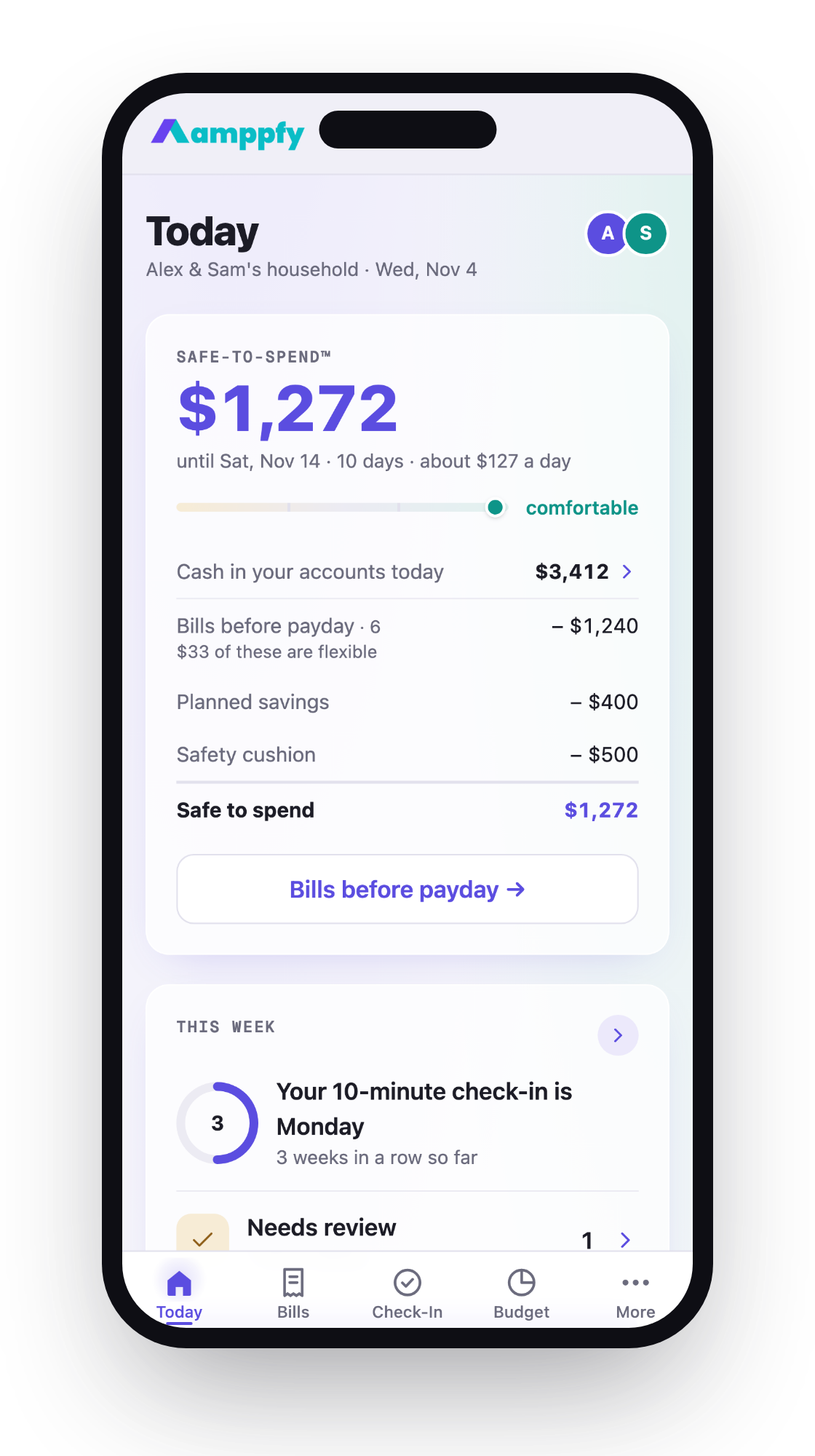
    Amppfy on an iPhone showing the Safe-to-Spend™ number with the status scale and the math under it

    The Evolution of Fifth Third Banking in 2026

    Fifth Third’s transformation didn’t happen overnight. The bank has been on a deliberate expansion path, and the numbers tell a compelling story. They’re investing $1.9 billion through 2029 to expand their branch network, targeting high-growth markets in the Southeast and Texas. This might seem counterintuitive when everyone talks about digital-only banking, but Fifth Third understands something important: customers want options.

    The Comerica acquisition represents perhaps the most significant shift in Fifth Third’s recent history. This deal is projected to yield $850 million in annual cost synergies, but the strategic value goes beyond cost savings. It gives Fifth Third deeper penetration into Texas and California, two markets with substantial growth potential.

    Wall Street has noticed these moves. Morgan Stanley raised its price target on Fifth Third to $67 from $60 with an Overweight rating, citing favorable banking conditions and the bank’s execution on its strategic plan. Analyst confidence like this typically reflects appreciation for management’s ability to deliver on promises.

    The bank’s evolution also reflects changing customer expectations. Five years ago, a regional bank could compete primarily on rates and local relationships. Today, customers expect sophisticated digital tools, personalized financial guidance, and seamless integration across channels. Fifth Third has invested heavily in meeting these expectations while preserving the relationship-focused approach that built their reputation.

    Personalized Consumer Banking Solutions

    Fifth Third’s consumer banking approach in 2026 reflects a simple insight: different customers need different things at different life stages. A recent college graduate opening their first real bank account has vastly different needs than a family saving for a home down payment or a retiree managing fixed income. The bank has built product lines that acknowledge these differences rather than forcing everyone into the same account structures.

    Momentum Checking and Savings Ecosystem

    The Momentum Banking suite represents Fifth Third’s answer to the question every bank faces: how do you make basic checking and savings accounts actually useful? Their approach combines fee transparency with genuine incentives for healthy financial behavior.

    Momentum Checking eliminates many of the gotcha fees that frustrate customers at other banks. No minimum balance requirements, no monthly maintenance fees if you meet basic activity thresholds, and early access to direct deposits. These aren’t revolutionary features individually, but the execution matters. Fifth Third has streamlined the account opening process to under ten minutes online, with immediate access to digital banking tools.

    The savings side connects directly to the bank’s financial wellness tools. Automatic savings features let you round up purchases or transfer fixed amounts on payday. What’s different here is the integration: the app shows you exactly how your savings rate compares to your goals and adjusts recommendations based on your spending patterns.

    For customers who maintain higher balances, Fifth Third offers tiered interest rates that actually compete with online-only banks. The current rates on their high-yield savings options hover around 4.2% APY for balances over $10,000, which is competitive for a traditional bank.

    Next-Generation Credit and Lending Products

    Fifth Third’s lending products in 2026 reflect lessons learned from the pandemic and subsequent economic volatility. Their credit card lineup includes options for building credit, maximizing rewards, and managing business expenses, but the real innovation is in how they underwrite.

    The bank has moved toward what they call “holistic creditworthiness assessment.” Instead of relying solely on traditional credit scores, they incorporate banking relationship data for existing customers. If you’ve maintained accounts in good standing with Fifth Third for years, that history factors into lending decisions. This approach has expanded credit access while maintaining responsible underwriting standards.

    Mortgage products have also evolved. Fifth Third offers conventional, FHA, VA, and jumbo loans, but they’ve added features specifically addressing 2026 market conditions. Rate lock options extend up to 180 days, giving buyers flexibility in competitive markets. Their down payment assistance programs have expanded, with some options available to borrowers earning up to 120% of area median income.

    Personal loans and home equity products round out the lending portfolio. Processing times have decreased significantly: most personal loan decisions arrive within hours, and funding can happen within two business days for approved applicants.

    AI-Driven Financial Wellness and Planning Tools

    This is where Fifth Third has made perhaps its most interesting investments. The bank’s financial wellness platform goes beyond basic budgeting apps to provide genuinely personalized guidance.

    The system analyzes your transaction patterns, identifies recurring expenses, and flags potential issues before they become problems. If your utility bills have increased 30% over three months, the app notices and suggests reviewing your usage. If subscription charges are creeping up, you’ll see a summary with options to review or cancel.

    Goal-setting tools connect directly to your accounts. Want to save $15,000 for a car down payment in 18 months? The system calculates what you need to set aside weekly, suggests which accounts to use, and tracks progress with visual dashboards. It also adjusts recommendations when your income or expenses change.

    The retirement planning integration is particularly useful for customers in their 30s through 50s. The tools model different scenarios: what happens if you increase 401(k) contributions by 2%? What if you retire at 62 versus 67? These projections use actual account data rather than generic assumptions, making them more relevant to your specific situation.

    Digital-First Banking Experience

    Fifth Third has committed substantial resources to digital transformation, and the results are visible across their platform. The bank understands that digital-first doesn’t mean digital-only: it means meeting customers wherever they prefer to bank while making digital channels genuinely excellent.

    The 2026 Mobile App Interface and Features

    The mobile app has undergone continuous refinement, with over 400 updates deployed in 2025 alone. These weren’t cosmetic changes: they addressed real user feedback about navigation, feature accessibility, and performance.

    Current app capabilities include:

    • Instant account opening for checking, savings, and CDs
    • Mobile check deposit with same-day availability for most deposits
    • Real-time transaction alerts with customizable thresholds
    • Card controls letting you freeze, unfreeze, or set spending limits instantly
    • Integrated bill pay with payee management and scheduling
    • Person-to-person payments through Zelle integration
    • Branch and ATM locator with real-time wait times

    The interface prioritizes what most customers actually need. Your account balances and recent transactions appear immediately on login. Common actions like transfers and payments require minimal taps. The search function actually works, letting you find specific transactions or features quickly.

    For customers who want deeper engagement, the app provides spending insights, credit score monitoring, and investment account integration. These features exist without cluttering the experience for users who just want to check their balance and move on.

    Advanced Security and Biometric Protection

    Security has become a genuine differentiator for banks, and Fifth Third has invested accordingly. The bank’s approach layers multiple protection mechanisms while minimizing friction for legitimate users.

    Biometric authentication options include fingerprint, facial recognition, and voice verification. You choose what works for your devices and preferences. The system adapts to your patterns: logging in from your usual phone at your usual time triggers minimal additional verification, while unusual access attempts prompt additional authentication steps.

    Real-time fraud monitoring operates continuously across all channels. The system flags suspicious transactions and can automatically block them pending your confirmation. If your card number appears in a data breach, you’ll receive an alert with options to replace the card immediately.

    Fifth Third also offers enhanced security features for customers who want them: hardware security keys, dedicated secure messaging for sensitive communications, and the option to require verbal confirmation for large transactions. These aren’t default settings, but they’re available for customers with heightened security needs.

    Commercial and Small Business Strategies

    Fifth Third’s business banking has expanded significantly, reflecting recognition that small and mid-sized businesses need sophisticated tools previously available only to large corporations. The bank has built specialized teams and products for different business segments.

    Treasury Management and Cash Flow Optimization

    Cash flow management can make or break a business, and Fifth Third’s treasury services address this reality directly. Their platform provides real-time visibility into cash positions across multiple accounts, with forecasting tools that help businesses anticipate needs.

    Automated cash concentration moves funds between accounts based on rules you define. Excess balances can sweep into interest-bearing accounts overnight, then return for morning operations. For businesses with multiple locations or entities, the system consolidates reporting while maintaining appropriate separations.

    Payables and receivables automation has improved substantially. ACH processing, wire transfers, and positive pay fraud protection integrate into a single dashboard. Businesses can set up recurring payments, manage vendor relationships, and track outstanding invoices without switching between systems.

    For businesses with international operations, Fifth Third offers foreign exchange services, international wire capabilities, and trade finance products. These aren’t afterthoughts: the bank has dedicated specialists who understand cross-border complexity.

    Industry-Specific Financing Solutions

    Generic business loans don’t always fit specialized needs. Fifth Third has developed financing products tailored to specific industries, with underwriters who understand sector dynamics.

    Healthcare practices can access equipment financing structured around reimbursement cycles. Manufacturing businesses find working capital lines sized to inventory and receivables patterns. Professional services firms get credit facilities that account for billable hour economics.

    The bank’s SBA lending program has expanded, with dedicated specialists who guide businesses through application requirements. Processing times have decreased, and approval rates for qualified applicants have improved as the bank has refined its underwriting criteria.

    Commercial real estate lending covers acquisition, construction, and refinancing across property types. Fifth Third has particular strength in multifamily and industrial properties, with competitive terms for experienced sponsors.

    Fifth Third Wealth Management and Advisory

    Wealth management at Fifth Third has matured into a comprehensive offering that competes effectively with dedicated wealth managers. The bank serves clients across the wealth spectrum, from emerging affluent households to ultra-high-net-worth families.

    The advisory model emphasizes planning over product sales. Client relationships begin with comprehensive financial assessments covering cash flow, investments, insurance, estate planning, and tax efficiency. Advisors then develop integrated strategies rather than pushing individual products.

    Investment management options range from managed portfolios to self-directed brokerage accounts. The managed offerings include both actively managed strategies and lower-cost index-based approaches. Clients can blend these based on their preferences and beliefs about active management.

    Trust and estate services address generational wealth transfer, charitable giving, and business succession. Fifth Third’s trust officers work alongside attorneys and accountants rather than replacing them, coordinating complex arrangements across professional relationships.

    For business owners specifically, the wealth management team understands the unique challenges of concentrated positions, liquidity events, and succession planning. They’ve developed frameworks for these situations that reflect real experience with similar clients.

    Community Impact and Sustainable Banking Initiatives

    Fifth Third’s community commitments go beyond marketing copy. The bank has made measurable investments in affordable housing, small business development, and environmental sustainability.

    Their Community Development Corporation has deployed over $3 billion in investments supporting affordable housing and community facilities. These aren’t passive investments: Fifth Third actively partners with developers and nonprofit organizations to structure deals that work.

    Environmental commitments include both operational changes and financing decisions. The bank has reduced its own carbon footprint through building efficiency improvements and renewable energy procurement. On the financing side, they’ve established frameworks for evaluating environmental impact in lending decisions, though they’ve avoided the politicized debates that have complicated ESG approaches at other institutions.

    Financial inclusion initiatives target underbanked communities with products designed for their specific needs. Second-chance checking accounts serve customers rebuilding after past difficulties. Financial education programs operate through community partnerships rather than generic online content.

    Frequently Asked Questions

    What makes Fifth Third different from other regional banks in 2026?

    Fifth Third combines the relationship focus of a regional bank with digital capabilities that rival larger institutions. Their $1.9 billion branch expansion shows commitment to physical presence while over 400 app updates in 2025 demonstrate digital investment. The Comerica acquisition adds geographic reach and scale that few regional competitors can match.

    How does Fifth Third’s mobile banking compare to online-only banks?

    The mobile experience is genuinely competitive. You get instant account opening, real-time alerts, integrated financial wellness tools, and comprehensive security features. The difference is you also have access to physical branches and relationship bankers when you need them. Online-only banks can’t offer that combination.

    What business banking services does Fifth Third offer for small companies?

    Small business services include checking and savings accounts, business credit cards, lines of credit, term loans, SBA lending, and merchant services. Treasury management tools previously reserved for larger businesses are now accessible to smaller companies. Industry-specific financing addresses unique needs in healthcare, manufacturing, professional services, and other sectors.

    Is Fifth Third a good choice for wealth management?

    For clients with $250,000 or more in investable assets, Fifth Third offers comprehensive wealth management including financial planning, investment management, trust services, and estate planning. The integrated approach works particularly well for clients who value having banking, lending, and wealth management coordinated under one relationship. Fees are competitive with independent advisors and other bank wealth management programs.

    Your Next Steps with Fifth Third

    Fifth Third’s 2026 offerings reflect a bank that understands its identity. They’re not trying to be JPMorgan Chase or a flashy fintech startup. Instead, they’ve built a coherent ecosystem that serves customers across life stages and business needs.

    If you’re evaluating banking relationships, consider what you actually need. Do you value having a relationship banker who knows your situation? Do you want sophisticated digital tools without sacrificing personal service? Are you building a business that might need commercial banking services as it grows?

    Fifth Third works best for customers who appreciate this balance. The bank rewards loyalty through better rates, fee waivers, and relationship pricing on lending products. For customers who engage across multiple product lines, the integrated experience creates genuine value that transactional banking relationships can’t match.


    Amppfy app icon

    Amppfy

    Free on iPhone, Android, and the web

    Know what’s safe to spend before payday

    Your balances, bills, and payday. Ten minutes to one clear number, with the math shown under it. Learn more ›

    Download on the App Store Get it on Google Play

    Prefer the web? Sign up free ›

    Free  ·  No credit card  ·  Just your balances

    Amppfy on an iPhone showing the Safe-to-Spend™ number with the status scale and the math under it
    2026 Affiliate How to Choose a Bank
    Share. Facebook Twitter LinkedIn Email Copy Link
    Previous ArticleRegions Banking: What You Need to Know for 2026
    Next Article Online vs. Traditional Banking: Which Is Right for You?
    Thomas T.

    Thomas is a Personal Finance Writer and Financial Content Strategist with over 10 years of experience helping individuals make smarter financial decisions. He specializes in topics such as budgeting, debt management, saving strategies, and financial behavior, translating complex financial concepts into clear, actionable guidance. His work focuses on empowering readers to build sustainable financial habits and confidently navigate their financial lives, combining data-driven insights with practical, real-world advice.

    More Like This

    Best Free Budget Apps in 2026: iPhone, Android, and Web

    By Thomas T.November 6, 2026

    Fudget Budget App: Price, the Plus Plan, and Simpler Alternatives in 2026

    By Thomas T.November 6, 2026

    Money Manager Expense & Budget App: Price, Ads, and Simpler Alternatives in 2026

    By Thomas T.November 6, 2026
    Amppfy app icon

    Amppfy

    Free on iPhone, Android, and the web

    Know what’s safe to spend before payday

    Your balances, bills, and payday. Ten minutes to one clear number.

    Download on the App Store Get it on Google Play

    Prefer the web? Sign up free ›

    Amppfy dashboard on an iPhone showing the Safe to Spend number with the math under it
    Helpful Resources

    Best Free Budget Apps in 2026: iPhone, Android, and Web

    November 6, 2026

    Fudget Budget App: Price, the Plus Plan, and Simpler Alternatives in 2026

    November 6, 2026

    Money Manager Expense & Budget App: Price, Ads, and Simpler Alternatives in 2026

    November 6, 2026

    Best Free Budget Apps for Android in 2026

    November 6, 2026

    Financial Clarity. Everyday Confidence.

    Facebook X (Twitter) YouTube TikTok
    Calculators

    Emergency Fund Calculator

    Compound Interest Calculator

    Interest Rate Calculator

    Net Worth Calculator

    Mortgage Calculator

    How Much Home Can I Afford

    Debt-to-Income Ratio Calculator

    Cost of Living Calculator

    Savings Calculator

    Savings Goal Calculator

    Monthly Budget Calculator

    Latest Resources

    Social Security COLA 2027: What the 3.6% Raise Means for Your Monthly Plan

    November 6, 2026

    Best Free Budget Apps in 2026: iPhone, Android, and Web

    November 6, 2026

    Federal Pay Period Calendar for 2027: Every Pay Period and Payday

    November 6, 2026

    Money Manager Expense & Budget App: Price, Ads, and Simpler Alternatives in 2026

    November 6, 2026
    About & Legal

    About Amppfy

    Documentation

    Advertise with Amppfy

    Editorial Policy

    EULA

    Terms of Use

    Acceptable Use Policy

    Privacy Policy

    Cookie Policy

    Disclaimer

    Do Not Sell or Share My Personal Information

    Acceptable Use Policy

    Disclaimer: Amppfy is committed to keeping its information transparent, accurate, and up-to-date. The information on Amppfy is provided for educational and informational purposes only and should NOT be considered financial, investment, tax, or legal advice. You should consult a qualified financial professional before making any financial decisions. This information may differ from what you find on the specific product or service provider’s website. All information, content, software, tools, products, or services on Amppfy are presented without warranty or guarantee. Please review the specific provider’s terms and conditions when evaluating products or services. By accessing Amppfy or using our AI generator tools, you acknowledge that you have read, understood, and agreed to our EULA, Terms of Use, Acceptable Use Policy, Privacy Policy, Cookie Policy, and Disclaimer. Amppfy.com uses cookies. For more information, visit Amppfy’s Cookie Policy. Amppfy may be compensated through third-party advertisers and affiliates. For more information, visit Amppfy’s Disclaimer.

    Copyright© 2026 Amppfy | All Rights Reserved

    Type above and press Enter to search. Press Esc to cancel.

    Advertiser Disclosure: Products may include affiliate links related to financial products or services. We may earn a commission at no additional cost to you. Our content remains independent and focused on helping you make informed financial decisions.
    Fact Checked
    Financial Disclaimer

    This content is for informational and educational purposes only and should not be considered financial advice. Personal finance decisions—including budgeting, saving, investing, credit, mortgages, taxes, and debt management—depend on your individual circumstances. Always consult a qualified financial professional before making financial decisions.

    Editorial Standards and Content Integrity

    Our editorial process ensures accuracy, clarity, and trust across all personal finance topics, including budgeting, saving, investing, and debt management. Content is created using credible sources such as government agencies, academic research, and established financial institutions, and may incorporate insights from industry experts when relevant. Each article is reviewed for accuracy, timeliness, and relevance before publication and updated as needed to reflect changes in financial guidelines and best practices, with the goal of providing clear, evidence-based information to help readers make informed financial decisions.

    Learn more about our editorial policy and guideline.
    Amppfy app icon

    Amppfy

    Free on iPhone, Android, and the web

    Know what’s safe to spend before payday

    Get the app on iPhone or Android and enter your balances, bills, and payday. About ten minutes to one clear number: what’s safe to spend before payday.Your balances, bills, and payday. Ten minutes to one clear number. Learn more ›

    Download on the App Store Get it on Google Play
    Scan with your phone to get the app

    Free  ·  No credit card  ·  Just your balances

    Prefer the web? Sign up free ›

    Amppfy app icon

    Amppfy

    Free on iPhone, Android, and the web

    Know what’s safe to spend before payday

    Enter your balances, bills, and payday once. About ten minutes to one clear number, with the math shown under it.

    Download on the App Store Get it on Google Play
    Scan with your phone to get the app

    Prefer the web? Sign up free ›

    Free  ·  No credit card  ·  Just your balances