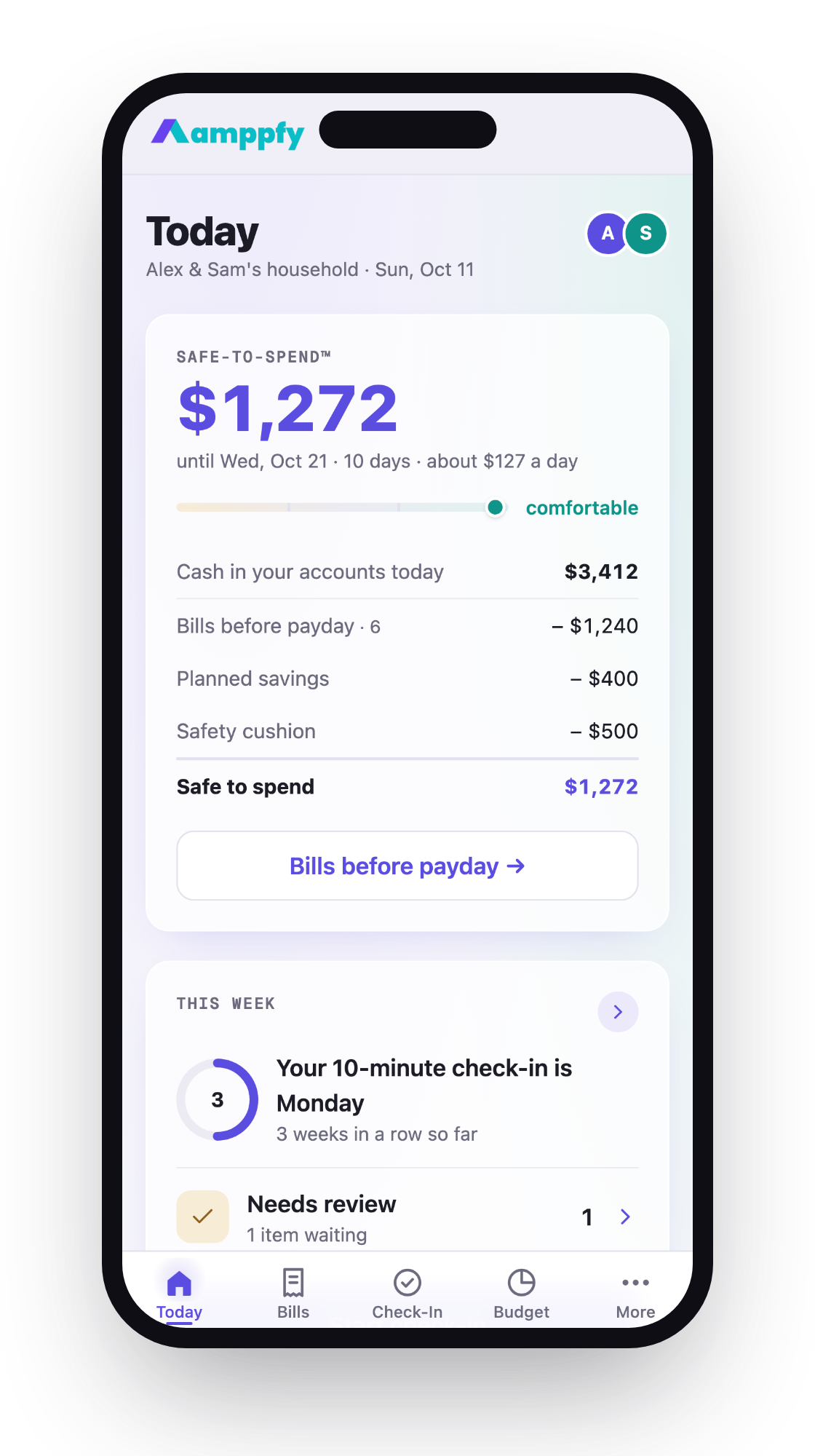
Best Joint Checking Accounts in 2026 for Couples and Shared Finances
Opening a joint checking account sounds simple enough until you realize how many options exist and how dramatically they differ. One account might pay you 4% interest, while another charges you $15 per month just to exist. Some banks offer real-time spending alerts that help couples stay aligned, while others feel stuck in 2010 with clunky apps and limited features.
I’ve spent considerable time analyzing what makes joint accounts actually work for real couples, families, and business partners. The best joint checking accounts for 2026 share common traits: competitive yields, no unnecessary fees, robust digital tools, and security features that protect account holders equally. But the right choice depends entirely on how you and your co-owner manage money together.
Whether you’re newlyweds combining finances for the first time, longtime partners finally merging accounts, or adult children helping aging parents manage bills, the account you choose matters more than most people realize. A poor fit creates friction. The right fit makes shared finances feel almost effortless.
Here’s what actually works in 2026, based on real features, actual rates, and practical considerations that matter when two people share one account.
Top-Rated Joint Checking Accounts for 2026
The joint checking account landscape has shifted dramatically toward online banks and neobanks that offer substantially better rates and features than traditional institutions. That said, some legacy banks have stepped up their game. Here’s what stands out this year.
Best Overall for High-Yield Interest
Axos Bank ONE
Axos Bank’s ONE account earns the top spot for couples prioritizing yield. The account offers up to 4.21% APY on linked savings and 0.51% APY on checking balances as of March 2026, which crushes the national average of 0.39% for checking accounts. For a couple keeping $10,000 in their joint checking account, that’s roughly $50 annually versus $39 at an average bank, and the savings component amplifies returns significantly.
SoFi
SoFi runs a close second. Members with eligible direct deposits can earn 3.30% APY on savings balances and 0.50% APY on checking as of March 2026. The direct deposit requirement matters here: without it, you won’t see those rates. But for couples already routing paychecks to their joint account, SoFi delivers competitive returns with an excellent mobile experience.
Best for Couples with No Monthly Fees
Ally Bank
Ally Bank consistently ranks among the best fee-free options. No minimum balance requirements, no monthly maintenance fees, and the bank reimburses up to $10 per statement cycle in non-network ATM fees. That reimbursement policy matters more than people expect: the average American pays $4.50 per out-of-network ATM withdrawal.
Capital One 360
Capital One 360 Checking deserves mention here, too. In addition to the monthly fee, new account holders can earn a $250 bonus by meeting the qualifying deposit requirements. For couples opening their first joint account, that bonus effectively pays you to switch banks.
Top Choice for Digital-First Banking Tools
Current and Chime
Current and Chime lead the pack for couples who manage everything from their phones. Both offer instant transaction notifications, easy money transfers between account holders, and intuitive spending breakdowns. Current’s spending insights automatically categorize transactions, showing exactly where joint money goes each month.
For tech-forward couples, these apps feel less like banking software and more like financial management tools. The interfaces prioritize clarity over complexity, which matters when two people need to quickly understand shared account activity.
Key Features for Shared Financial Management
Joint accounts work best when both parties can monitor activity, set boundaries, and track progress toward shared goals. The features below separate adequate joint accounts from genuinely useful ones.
Real-Time Transaction Alerts and Notifications
Instant notifications eliminate the “I didn’t know you spent that” conversations that derail shared finances. When both account holders receive immediate alerts for every transaction, surprises disappear. Most quality joint accounts now offer customizable thresholds: get notified for purchases over $50 or for every transaction, depending on your preferences.
Financial experts consistently emphasize this point: joint accounts simplify shared finances and eliminate the hassle of splitting payments. But simplification only works when both parties stay informed. Real-time alerts make that possible without requiring constant manual checking.
Integrated Budgeting and Goal-Setting Features
The best joint checking accounts include built-in tools for tracking spending categories and saving toward specific goals. Want to save $5,000 for a vacation? Create a goal within your account, automate transfers, and watch progress together.
Ally Bank’s “buckets” feature lets couples divide savings into labeled categories without opening separate accounts. SoFi’s Vaults work similarly. These tools transform a single joint account into an organized system for multiple financial priorities.
|
Feature |
Ally Bank |
SoFi |
Capital One |
Axos |
|---|---|---|---|---|
|
Goal-setting tools |
Yes (Buckets) |
Yes (Vaults) |
Limited |
Yes |
|
Spending categories |
Automatic |
Automatic |
Automatic |
Automatic |
|
Custom alerts |
Highly flexible |
Flexible |
Basic |
Flexible |
|
Shared access level |
Full parity |
Full parity |
Full parity |
Full parity |
Dual Debit Card Access and Security Protocols
Both account holders need their own debit cards with independent PINs. This sounds obvious, but some accounts make adding a second cardholder unnecessarily complicated. The best options issue two cards automatically during account setup.
Security features should protect both parties equally. Look for:
-
Individual login credentials for each account holder
-
Biometric authentication options
-
Card lock/unlock capabilities in the mobile app
-
Fraud monitoring with alerts to both parties
-
Zero liability protection for unauthorized transactions
FDIC insurance covers joint accounts up to $250,000 per co-owner, meaning a joint account between two people carries $500,000 in total protection. That’s double what individual accounts receive.
Comparing Traditional Banks vs. Online Neobanks
The choice between brick-and-mortar banks and digital-only options comes down to what you actually need from your joint account. Both approaches have genuine advantages.
In-Person Support and Branch Access
Traditional banks like Chase, Bank of America, and Wells Fargo offer something online banks can’t: physical locations where you can speak with someone face-to-face. For couples who occasionally need cashier’s checks, notarized documents, or help resolving complex issues, branch access matters.
Forbes Advisor’s research, which compared 164 checking accounts across 66 financial institutions, found that traditional banks still dominate when customers need in-person services. Safe deposit boxes, international wire transfers, and complex account changes often require branch visits.
That said, branch dependency has declined sharply. Most routine banking now happens digitally, and online banks have expanded phone and chat support to handle issues that once required in-person visits.
APY Rates and Fee Structures
Here’s where online banks win decisively. The math isn’t close.
|
Bank Type |
Average Checking APY |
Typical Monthly Fee |
ATM Network |
|---|---|---|---|
|
Traditional (Big 4) |
0.01% – 0.03% |
$12 – $15 |
Proprietary |
|
Online/Neobank |
0.40% – 0.51% |
$0 |
Allpoint/reimbursement |
|
Credit Unions |
0.05% – 0.25% |
$0 – $5 |
Shared branching |
A couple keeping $15,000 in a traditional bank joint checking account earning 0.01% makes $1.50 annually. The same balance at Axos earning 0.51% generates $76.50. Over five years, that difference compounds meaningfully.
Monthly fees amplify the gap. Paying $12 monthly to a traditional bank costs $144 annually before earning a penny in interest. Most online banks charge nothing.
How to Choose the Right Joint Account for Your Relationship
Selecting a joint checking account requires honest conversations about how you both handle money. The best account for a couple who splits everything 50/50 differs from what works for partners with separate spending habits.
Assessing Shared Monthly Expenses
Start by listing what the joint account actually needs to cover. Common approaches include:
-
Full merger: All income deposits into the joint account, all expenses paid from it
-
Bills only: Joint account covers rent, utilities, and shared subscriptions while personal spending stays separate
-
Proportional contribution: Each partner contributes based on income percentage rather than equal amounts
For couples using the bills-only approach, calculate total monthly shared expenses and add a 20% buffer. If rent, utilities, groceries, and subscriptions total $3,500 monthly, maintain roughly $4,200 in the joint account. This prevents overdrafts when unexpected shared expenses arise.
The proportional model works well when partners have significantly different incomes. If one partner earns $80,000 and the other earns $40,000, a 67/33 split for shared expenses often feels fairer than 50/50.
Evaluating Minimum Balance Requirements
Some accounts waive monthly fees only when you maintain specific balances. Chase Total Checking, for example, waives its $15 monthly service fee with a $1,500 beginning-day balance or $500 in qualifying electronic deposits, as of October 2026. Missing these thresholds even once triggers the fee.
Online banks rarely impose these requirements, but some high-yield accounts do. Axos’s top APY tiers require maintaining certain balances. Before committing, understand exactly what’s required to access advertised rates and avoid fees.
Consider your cash flow patterns. If your joint account balance fluctuates significantly throughout the month, minimum balance requirements create unnecessary stress. A no-minimum account provides flexibility, even if it offers slightly lower interest rates.
Streamlining the Joint Account Application Process
Opening a joint account takes longer than opening individual accounts because banks must verify two identities and establish equal ownership. Preparing documentation in advance speeds the process considerably.
Required Documentation for Both Parties
Both account holders need to provide:
-
Government-issued photo ID (driver’s license, passport, or state ID)
-
Social Security number
-
Current address verification (utility bill, lease agreement, or bank statement)
-
Date of birth
-
Employment information (some banks require this)
Online applications typically take 10-15 minutes when both parties have documents ready. Some banks allow one person to start the application and invite the second account holder to complete their portion separately.
For couples who do not live at the same address, be prepared to explain the situation. Banks occasionally flag joint account applications with different addresses, though this rarely prevents approval.
Automating Transfers and Bill Payments
Once your joint account is active, automation eliminates most ongoing management work. Set up:
-
Direct deposit splits from each paycheck (many employers allow percentage-based routing to multiple accounts)
-
Automatic bill payments for recurring expenses
-
Scheduled transfers to savings goals
-
Balance alerts when the account drops below comfortable thresholds
The goal is to make the joint account largely self-managing. When contributions, bill payments, and savings transfers happen automatically, couples spend less time actively managing money and more time enjoying it.
Protecting Your Shared Assets and Privacy
Joint accounts grant equal access to both parties, which creates both convenience and vulnerability. Understanding your rights and protections matters.
Both account holders have full legal authority over joint checking accounts. Either person can withdraw the entire balance, close the account, or overdraft without the other’s permission. This legal reality makes trust essential. Joint accounts work beautifully in healthy relationships and become problematic quickly when relationships deteriorate.
Practical protection strategies include:
-
Maintaining some individual accounts alongside the joint account
-
Setting up transaction alerts so both parties see all activity
-
Reviewing statements together monthly
-
Discussing large purchases before making them (agree on a threshold, like $200 or $500)
-
Understanding your state’s laws regarding joint account ownership in divorce
For unmarried couples, joint accounts carry additional considerations. Unlike married couples, unmarried partners have no automatic legal protections if the relationship ends. Consider a simple written agreement outlining how joint funds would be divided if you separate.
Making Your Joint Account Work Long-Term
The best checking accounts for joint accounts in 2026 combine competitive interest rates, zero unnecessary fees, and digital tools that keep both partners informed. Axos and SoFi lead on yield. Ally and Capital One excel at fee-free simplicity. Traditional banks still matter for couples needing branch services.
But features only matter if the underlying financial partnership works. Successful joint accounts require ongoing communication about spending, saving goals, and financial priorities. The account itself is just a tool. How you use it together determines whether shared finances strengthen or strain your relationship.
Start with clear expectations about what the joint account covers and how you’ll both contribute. Automate what you can. Review activity together regularly, whether that’s weekly check-ins or monthly financial dates. When questions or conflicts arise, address them promptly rather than letting resentment build.
The couples who thrive with joint accounts treat them as shared projects rather than administrative necessities. Choose an account that fits your actual habits, set it up thoughtfully, and commit to the ongoing conversation that makes shared finances work.
For the joint-versus-separate decision itself, see bank accounts for couples: joint, separate, or both.
Frequently Asked Questions
Yes, in most cases, either account holder can close a joint checking account independently. Banks typically require the closing party to withdraw or transfer all funds first. Some institutions notify the other account holder, but this isn’t universal. If you’re concerned about unauthorized closure, discuss this possibility with your bank and consider keeping emergency funds in an individual account.
Joint accounts with “rights of survivorship” (the most common type) automatically transfer full ownership to the surviving account holder. The funds don’t go through probate. However, the surviving holder should notify the bank promptly to update account records and remove the deceased person’s access. Some banks freeze accounts briefly while processing death certificates.
Checking accounts don’t directly impact credit scores since they aren’t credit products. However, if your joint account becomes overdrawn and the bank sends the debt to collections, that collection account can appear on both parties’ credit reports. Overdraft protection and careful monitoring prevent this scenario.
Most banks allow you to add a joint owner to an existing individual account, though the process varies. Some institutions require both parties to visit a branch together. Others handle additions through online forms with identity verification. Adding someone grants them immediate full access to existing funds, so only do this when you’re certain about the arrangement.