

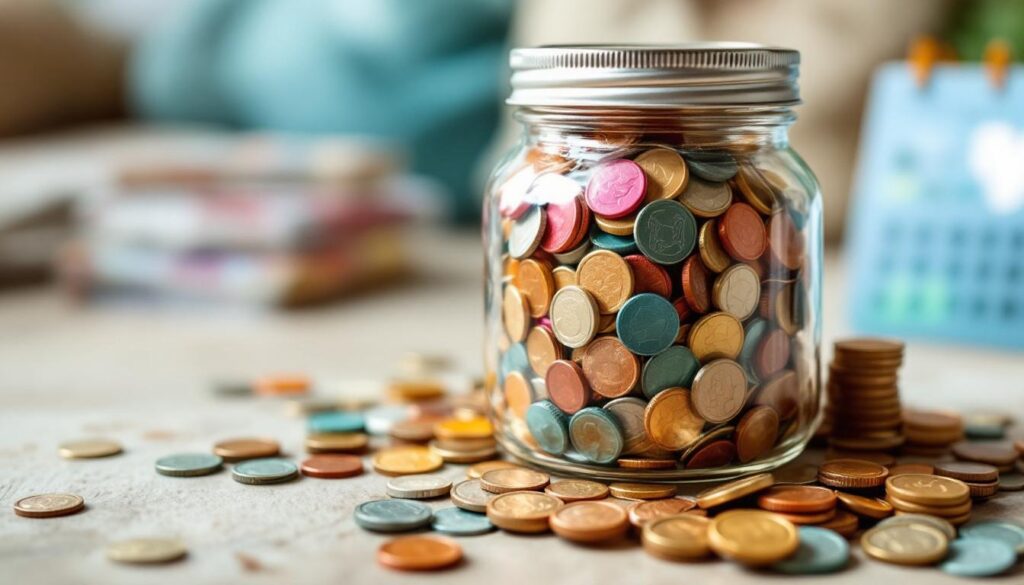
Why Emergency Savings Matter More Than Ever
The Reality of Financial Preparedness
Nearly 27% of U.S. adults have no emergency savings. This startling figure from Bankrate’s 2025 Emergency Savings Report highlights a widespread vulnerability.
Without a financial cushion, unexpected expenses—such as medical bills, car repairs, or a sudden job loss—can quickly spiral into debt.
Why 56% of Americans Can’t Cover a $1,000 Emergency
Even more concerning, over half of Americans (56%) can’t cover a $1,000 emergency expense with their savings, according to CNBC. This gap between financial reality and preparedness underscores the need for creative, manageable ways to build a rainy day fund without feeling deprived. The psychological impact of economic insecurity is also significant; the stress of living paycheck to paycheck can affect mental health, leading to anxiety and depression.
In contrast, having even a modest emergency fund can provide peace of mind, allowing individuals to focus on their careers and personal lives without the constant worry of financial instability.
How Much Should You Aim to Save?
Financial experts often recommend saving at least 3 to 6 months’ worth of essential expenses.
- While over half of Americans (55%) have an emergency fund covering three months of expenses, many fall short of this goal
- This shortfall can often be attributed to rising living costs and stagnant wages
- Which makes it increasingly difficult for families to set aside money for emergencies
Why the Average U.S. Household May Need Over $35,000 in Emergency Savings
For the average American household, this translates to an emergency fund of over $35,000 to cover six months of living costs, a figure that can seem daunting but is crucial for proper financial security. To make this goal more attainable, financial advisors often suggest breaking it down into smaller, incremental savings targets. For instance, setting aside just $50 a week can add up to over $2,600 a year.
Additionally, automating savings through direct deposit can help individuals consistently contribute to their emergency funds without the temptation to spend it elsewhere. This proactive approach not only builds financial security but also fosters a savings habit that can benefit individuals in the long run.
Creative Strategies to Build Your Rainy Day Jar
The 100 Envelopes Challenge: Gamify Your Savings
One of the most popular savings hacks trending on TikTok is the 100 Envelopes Challenge.
This method involves labeling envelopes from 1 to 100 and saving money incrementally over 100 days, aiming to accumulate $5,050.
How Gamified Savings Challenges Can Help You Save $15,000 or More
This visual and gamified approach can boost motivation and accountability, especially for those who find traditional saving methods tedious. Some participants have even managed to save over $15,000 by adapting the challenge to larger financial goals, such as student loans or retirement funds.
The excitement of watching your savings grow tangibly can be incredibly rewarding, and many find that the challenge fosters a sense of community as they share their progress online.
Why the Envelope Method Builds Discipline but May Lose Value to Inflation
However, experts caution that while the envelope method is effective for building discipline, storing cash physically can lead to lost interest and inflation erosion. Pairing this challenge with a high-yield savings account can maximize your returns.
Additionally, consider personalizing the envelopes with motivational quotes or pictures that inspire you, turning the challenge into both a creative outlet and a financial strategy.
Small, Consistent Habits That Add Up
Saving doesn’t have to mean drastic lifestyle changes. Incremental habits can make a big difference over time. Consider these simple strategies:
- Round-Up Savings: Use apps or bank features that round up purchases to the nearest dollar and transfer the difference to your savings.
- Automate Transfers: Set up automatic transfers of small amounts, even $10 or $20 weekly, to your emergency fund.
- Cut Unnecessary Subscriptions: Review monthly expenses and pause or cancel services you rarely use, redirecting those funds to savings.
How Small Money Habits Can Grow Your Rainy Day Fund Without Sacrifice
These minor adjustments can help build your rainy day jar without feeling like a sacrifice. For instance, the round-up savings method not only lets you save without thinking about it, but also lets you accumulate funds from everyday transactions, making savings feel less daunting.
Additionally, creating a visual tracker for your savings can provide a sense of accomplishment as you see your progress over time, further motivating you to stick to your goals.
Leverage Windfalls and Extra Income
Unexpected money-like tax refunds, bonuses, or side hustle earnings can be a powerful boost to your emergency fund. Instead of spending these windfalls, allocate a portion directly to savings.
Here’s a quick plan to maximize windfalls:
- Set a target percentage (e.g., 50%) of all windfalls to save.
- Deposit this amount immediately into a dedicated savings account.
- Use the remainder for discretionary spending or debt repayment.
How to Use Windfall Money to Strengthen Financial Security Without Sacrificing Fun
This approach helps balance enjoyment with financial security. Additionally, consider setting specific goals for your windfall savings, such as a vacation, a new gadget, or even a larger investment. By visualizing what your savings could achieve, you create a stronger incentive to save rather than spend impulsively.
Tracking how these windfalls contribute to your overall financial health can reinforce the habit of saving and make it a more integral part of your financial routine.
Smart Tools and Accounts to Grow Your Fund
High-Yield Savings Accounts: Make Your Money Work
While the 100 Envelopes Challenge is a great motivator, financial experts recommend using high-yield savings accounts for emergency funds to earn better returns and protect against inflation.
How High-Yield Savings Accounts Earn More Interest Than Traditional Banks
These accounts offer interest rates significantly higher than traditional savings accounts, helping your money grow passively. Look for accounts with no fees and easy access to funds in emergencies. Many high-yield savings accounts are offered by online banks, which often have lower overhead costs than brick-and-mortar institutions.
This allows them to pass on the savings to customers through higher interest rates. Additionally, some accounts may offer promotional rates for new customers, making it an excellent time to shop around and compare options.
Budgeting Apps That Encourage Saving
Technology can simplify saving. Budgeting apps track spending, categorize expenses, and often include features to set savings goals. Many apps also offer round-up features and automated transfers to savings accounts.
By linking your bank accounts, these apps can provide real-time insights into your financial habits, allowing you to make informed decisions about where to cut back.
How Budgeting and Savings Apps Increase Spending Awareness
Using these tools can increase awareness of spending habits and help identify opportunities to save more efficiently. Some apps even gamify the savings process, turning it into a fun challenge that encourages users to compete with friends or family members.
This social aspect can enhance motivation and accountability, making it easier to stick to your financial goals.
Emergency Fund Milestones to Stay Motivated
Breaking your savings goal into smaller milestones can keep motivation high. For example:
- Save your first $500 – a foundational buffer for minor emergencies.
- Reach $1,000 – enough for many unexpected expenses.
- Build up to three months’ worth of expenses – a robust safety net.
How Visual Savings Trackers Make Financial Goals Feel Achievable
Tracking progress visually, like with charts or savings jars, makes the journey tangible and rewarding. Additionally, consider celebrating each milestone with a small reward, such as treating yourself to a favorite meal or enjoying a day out. This positive reinforcement not only makes the process enjoyable but also reinforces the habit of saving.
Sharing your milestones with friends or family can create a support system that encourages you to stay committed to your financial journey and fosters a sense of community around your goals.
Overcoming Common Barriers to Saving
When Money Feels Tight
Many Americans struggle to save because day-to-day expenses consume most of their income. In fact, 43% have less than $500 set aside for emergencies.
To overcome this, focus on:
- Prioritizing savings as a non-negotiable monthly expense.
- Finding small pockets of discretionary spending to cut.
- Exploring side gigs or freelance work to supplement income.
Addressing the Psychological Hurdles
Saving can feel overwhelming or discouraging, especially when progress seems slow. The key is to celebrate small wins and maintain a positive mindset.
Techniques to stay motivated include:
- Visual reminders of your goals, like a savings thermometer.
- Accountability partners or groups to share progress.
- Reward yourself for hitting milestones with small treats.
Protecting Your Savings From Inflation
Cash saved in envelopes or under the mattress loses value over time due to inflation. Experts warn against keeping large sums of emergency funds in cash alone.
Instead, combine physical saving methods with high-yield accounts or short-term liquid investments to preserve and grow your money.
Building a Rainy Day Jar That Works for You
Customize Your Approach
There’s no one-size-fits-all method for saving. Some people thrive with visual, hands-on systems like the 100 Envelopes Challenge, while others prefer automation and digital tools. The best approach fits your lifestyle and keeps you engaged.
Consistency Over Perfection
Saving is a marathon, not a sprint. Even if you can only save a little each week, consistency will build momentum. Remember, 30% of adults increased their emergency savings in 2024, showing that progress is possible.
Keep Your Emergency Fund Accessible but Separate
Emergency savings should be easy to access when needed, but separate enough to avoid temptation. Consider a dedicated savings account or a money market fund. Avoid using credit cards or loans for emergencies, as this can lead to debt cycles.
Frequently Asked Questions
Experts recommend saving enough to cover three to six months of essential expenses. For many households, this can mean over $35,000, but starting with smaller goals, such as $500 or $1,000, is a practical first step.
Yes, it’s a popular and effective way to build saving habits through a visual, gamified process. However, pairing it with a high-yield savings account is advisable to protect against inflation and earn interest.
Saving small amounts consistently is better than not saving at all. Use automated transfers and round-up features to cut unnecessary expenses and grow your fund gradually.
Your emergency fund should be in a liquid, accessible account, such as a high-yield savings or money market account. Avoid keeping large amounts of cash on hand to prevent its value from eroding due to inflation.
