Close Menu

    Subscribe to Updates

    Get the latest creative news from FooBar about art, design and business.

    What's Hot

    Secured Credit Cards and Credit-Builder Loans: When to Use Them

    December 28, 2025

    Best Practices for Responsible Credit Card Use (and Rewards Tips)

    December 26, 2025

    Dispute a Credit Report Item: A Step-by-Step Template That Works

    December 25, 2025
    Facebook X (Twitter) Instagram
    Amppfy
    • Personal Finance
      • Know Your Money
        • Money Quiz Reveals Financial Health
        • Living Paycheck to Paycheck
        • Key Personal Finance Metrics
        • How to Map Financial Goals
        • Calculate Debt-to-Income Ratio
        • Monthly Financial Review
        • Explore More Know Your Money Resources
      • Financial Literacy
        • Responsible Credit Card Use
        • How to Maximize Employer Benefits
        • Cashflow Calendar to Pay Bills
        • Build a Rainy Day Fund
        • Investing for Beginners with $100
        • How to Avoid Predatory Lenders
        • Explore More Financial Literacy Resources
      • Financial Wellness
        • Building Rainy Day Fund
        • Debt-Snowball vs. Debt-Avalanche
        • How to Maximize Savings
        • How to Plan for Major Purchase
        • Emergency Buffer While Paying Debt
        • How to Negotiate with Creditors
        • Explore More Financial Wellness Resources
      • Side Hustles
        • Side Hustles That Fit Weeknights
        • Side Hustles for Busy People
        • How to Monetize a Hobby
        • Gig Economy Playbook
        • Freelance Pricing 101
        • Side Hustles Start this Weekend
        • Explore More Side Hustles Resources
    • Budgeting
      • Budgeting Tips
        • How to Set Up Savings Buckets
        • Financial Budget Repair Plan
        • Beginner’s Guide to Tracking Spending
        • Common Budgeting Mistakes
        • Best Budgeting Apps Compared
        • Zero-Based Budgeting
        • Explore More Budgeting Tips Resources
      • Money Management
        • How to Build a Monthly Budget
        • How to Create a Savings Plan
        • Clever Ways to Save $500 This Month
        • Smart Grocery Budgeting
        • Cut Recurring Costs
        • Cash Back and Couponing
        • Explore More Money Management Resources
      • Fix Cashflow
        • 52-Week Savings Challenge
        • Budget Repair for Ages 18–28
        • Family Budgeting
        • Explore More Fix Cashflow Resources
      • Monthly Budget Calculator
    • Debt
      • Debt Free Journey
        • Payoff Strategies for Single Parents
        • How to Build Debt Payoff Calendar
        • Consolidating Debt
        • How to Plan for a Major Purchase
        • Debt-Repayment Fund for Loans
        • Debt Consolidation Pros and Cons
        • Explore More Debt Free Journey Resources
      • Debt Payoff
        • Debt Snowball vs Avalanche
        • Crush Debt Fast
        • How to Pay Off Credit Card Debt
        • Using a Balance Transfer Credit Card
        • Rolling Over 401(k) to Pay Down Debt
        • Paying Off Auto Loan Early
        • Explore More Debt Payoff Resources
      • Financial Freedom
        • Passive Income Ideas
        • Student Loans 101
        • How to Refinance Personal Loan
        • Taking Out a Personal Loan
        • When Bankruptcy Might be an Option
        • Explore More Financial Freedom Resources
    • Savings
      • Savings Tip
        • How to Rebuild Savings After Job Loss
        • 52-Week Savings Challenge
        • Smart Grocery Budgeting
        • Micro-Savings Strategies
        • Cash Back and Couponing
        • Cut Monthly Expenses
        • Explore More Savings Tip Resources
      • Emergency Fund
        • Emergency Buffer While Paying Down Debt
        • Park Your First $1,000 Emergency Fund
        • Emergency Fund Is Non-Negotiable
        • Sinking Funds vs. Emergency Fund
        • Emergency Funds
        • Explore More Emergency Fund Resources
      • Savings Goal
        • How to Build a Savings Plan
        • Short-Term Savings Goals vs Emergency Fund
        • How to Set Realistic Savings Goals
        • Micro-Savings That Add $50–$200 a Month
        • Cut Recurring Costs
        • Managing Savings During Recession
        • Explore More Savings Goal Resources
      • Savings Calculators
        • Savings Goal Calculator
        • Emergency Fund Calculator
    • Credit
      • Building Credit
        • Credit Utilization
        • Negative Marks on Credit Report
        • Pay Off Credit Card Debt
        • How to Read Credit Report
        • Building Credit as a Gig Worker
        • Knowing Credit Score Is Step One
        • Explore More Building Credit Resources
      • Credit Score
        • Truth About Credit Freezes
        • Credit Score 101
        • Improve Your Credit Score
        • How to Remove Negative Items
        • Understanding Credit Utilization
        • Leveraging Credit Score Improvements
        • Explore More Credit Score Resources
      • Credit Card
        • Credit Card Hacks
        • Best Rewards Credit Card
        • Lost or Stolen Credit Card
        • Rewards Credit Card
        • Balance Transfer Credit Cards
        • Starter Credit Cards
        • Explore More Credit Card Resources
    • Investing
      • Investing Tips
        • How to Make Money in Stocks
        • Bullish vs. Bearish
        • Roth IRA vs. Traditional IRA
        • Opening a Brokerage Account
        • How to Protect Stock Investments
        • How the Stock Market Works
        • Explore More Investing Tips Resources
      • Wealth Building
        • Investing for Beginners
        • How to Start Investing
        • How Call Options Work
        • How Do Stocks Function
        • Investing 101
        • Dividend Investing for Beginners
        • Explore More Wealth Building Resources
      • Investing Strategy
        • How to Build Retirement Portfolio
        • Index Funds vs. Actively Managed Funds
        • Target-Date Funds
        • How to Rebalance Portfolio
        • Investing Mistakes New Investors Make
        • Why the Price-to-Earnings Ratio Matters
        • Explore More Investing Strategy Resources
      • Stocks
        • How to Read Stock Charts
        • Best Stocks to Weather Inflation
        • Understanding Margin Calls
        • How to Short a Stock
        • What is Swing Trading
        • Beginner’s Guide to Put Options
        • Explore More Stocks Resources
    • Home
      • Home Buying
        • First-Time Homebuyer Checklist
        • How Much Down Payment to Buy a House
        • Renting vs. Buying
        • How to Estimate Homeownership Costs
        • Qualify as First-Time Home Buyers
        • Buying a Fixer-Upper House
        • Explore More Home Buying Resources
      • Real Estate
        • Smart Ways to Use Home Equity
        • Calculate Rental Property Cash Flow
        • Starting a House Hacking Strategy
        • Investing in Real Estate Owned Properties
        • REITs for Passive Income
        • Fix-and-Flip Real Estate Opportunities
        • Explore More Real Estate Resources
      • Mortgage
        • Mortgage Playbook to Secure a Home
        • Fixed vs. Adjustable Mortgage
        • How to Refinance a Mortgage
        • Mortgage Payoff Strategies
        • Pre‑Approval to Closing a New Home
        • Mortgage Strategies in Volatile Times
        • Explore More Mortgage Resources
      • Free Mortgage Calculator
    • Bank
      • Banking Tips
        • How to Read Bank Statement
        • How to Set Up Bank Account Alerts
        • Online Bank vs. Brick-and-Mortar
        • How to Open First Bank Account
        • How to Avoid Bank Fees
        • Missing Debit Card
        • Explore More Banking Tips Resources
      • Checking Account
        • How to Choose Right Checking Account
        • Beginner’s Guide to Overdraft Protection
        • Time It Takes for a Check to Clear
        • Mobile Check Deposits
        • When to Stop a Check Payment
        • Stay Safe from Check Scams
        • Explore More Checking Account Resources
      • Savings Account
        • High-Yield Savings Account vs Treasury Bills
        • High-Yield Savings Accounts
        • Maximizing Your Savings
        • How Much Cash to Keep in Savings Account
        • Money Market Account vs. Savings Account
        • Savings Account Minimum Balances
        • Explore More Savings Account Resources
    • Tax
      • Tax Tips
        • Tax Deductions 101
        • Individual Retirement Account Tax Rules
        • Child and Dependent Care Credit
        • Moving Expense Deductions
        • How to File Freelancing Taxes
        • Side-Gig Income Taxes
        • Explore More Tax Tips Resources
      • Tax Strategy
        • Tax Mistakes that Trigger Audits
        • Changing Tax Withholding Mid-Year
        • Handling Back Taxes
        • Capital Gains Taxes
        • Child Tax Credit
        • Claiming the Saver’s Credit
        • Explore More Tax Strategy Resources
      • Tax Savings
        • Tax Filing for Beginners
        • Tax Software for Tax Situation
        • Tax-Advantaged Accounts for Education
        • Health Savings Accounts to Lower Tax
        • Tax Credits vs. Deductions
        • Explore More Tax Savings Resources
    • Calculators
      • Emergency Fund Calculator
      • Compound Interest Calculator
      • Net Worth Calculator
      • Mortgage Calculator
      • Savings Goal Calculator
      • Monthly Budget Calculator
    Amppfy
    Home » Complete Guide on How to Buy a Domain Name and Enable Website Domain Privacy
    Introduction to Start a Website

    Complete Guide on How to Buy a Domain Name and Enable Website Domain Privacy

    AmppfyBy AmppfyOctober 22, 2024Updated:August 17, 20257 Mins Read
    Facebook Twitter Pinterest LinkedIn Email Copy Link
    Share
    Facebook Twitter LinkedIn Pinterest Email Copy Link

    Complete Guide on How to Buy a Domain Name and Enable Website Domain Privacy

    The first step to starting a website is brainstorming names for a website that resonates with your brand and registering it as a domain. Naming a website is no small task. The website name is your prospective customer’s first impression when they find it through search engines like Google, and it impacts the success of digital marketing efforts.

    How to Choose a Domain Name for Your Website

    An impactful website name should be impressionable and boosts brand awareness. A relevant domain name helps visitors better identify and draw relevance to the product or service being promoted.

    Need help choosing a domain name for your website? Check out our resource on how to brainstorm names for a website domain.

    [elementor-template id=”683″]

    What is a Domain Name?

    In short, a domain name is an address typed into the internet browser URL bar to visit a website. If the website is your home, the domain name is the street address to locate your home. Most websites start with www. representing the World Wide Web, followed by the website name, and end with .com. For example, our website domain is www.amppfy.com.

    How Does an IP Address Associate with a Domain Name

    When your internet browser searches for a domain name, the browser locates the IP (Internet Protocol) address where the domain name is hosted, which takes you to the website. Domain names are used to point to the IP address associated with a specific website.

    Since an IP address is a string of numeric numbers, it is inconvenient for people to remember. So domain names are in place to refer to these IP addresses. Therefore, people can easily find the website they are looking for.

    Components of a Domain Name

    A domain name is arranged by hierarchy from right to left. It consists of the following components (right to left).

    3 Components of a Website Domain Name

    • A top-level domain name (.com, .ai, .io) separated by a “.” (period.)
    • A mid-level domain name (usually the website’s name.)
    • A sub-domain prefix “www.” stands for the World Wide Web.

    Top 3 Essential Steps Before Buying a Domain Name
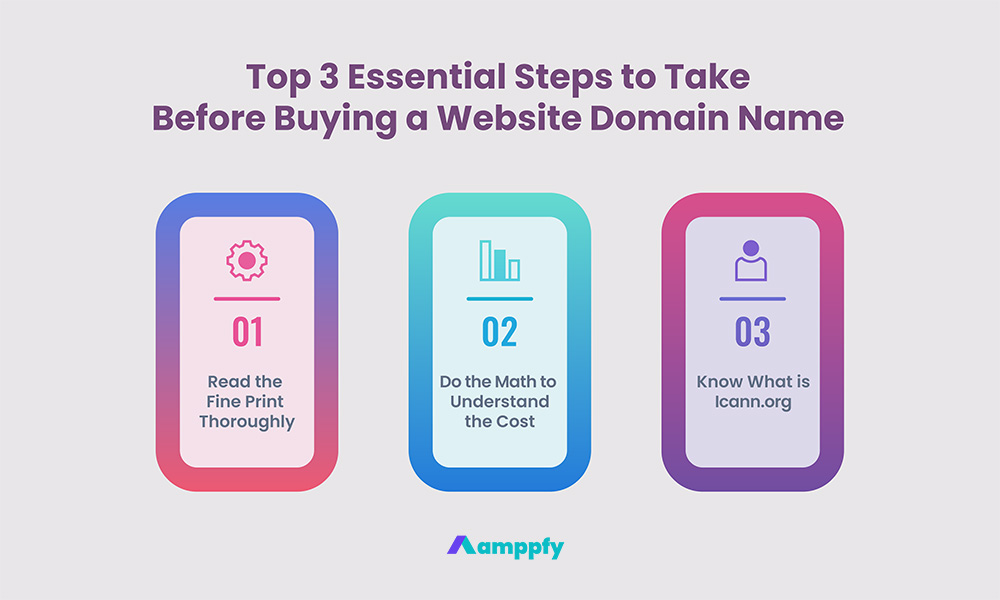
    Top 3 Essential Steps Before Buying a Domain Name

    #1. Read the Fine Print before Buying a Domain Name

    Sometimes, when the offer looks too good to be true, fine prints are usually involved. Most people don’t spend the time to read the entire “terms of use” or “refund policy” before making a purchase. Make sure you understand what the domain registration service includes before proceeding. For example, is domain privacy protection included in the service, which is a critical privacy component of a website.

    #2. Do the Math and Know the Cost to Register a Domain Name

    Avoid unexpected costs by investigating the following questions before locking yourself in with a domain service provider. If you have concerns, best to discuss policies with the provider’s customer service and understand what they entail before committing.

    Important Questions to Consider Before Buying a Domain Name

    • What is the total cost of owning a domain after one year, three years, or five years?
    • Does the price fit your budget?
    • Are there add-on costs involved?
    • If you are unhappy with the service, can you cancel and get a refund?
    • What if you want to transfer your domain to another service provider? Will you be charged for the domain transfer service?

    #3. Know What is ICANN and How it Impacts Your Website Privacy

    ICANN.org is an entity that keeps records of domain owners’ identities and contact information. Owners provide this information to independent registrars (domain registration service providers such as Google Domains) who must earn the ICANN accreditation in order to provide such service.

    Top 3 Important Facts about ICANN that Impact Your Domain

    Fact 1: ICANN Requires Domain Owners to Upkeep Accuracy of Domain Information

    ICANN requires domain owners to keep their information accurate and up to date with the registrars as part of their responsibilities of owning a domain. If false information is provided on purpose, the owners risk having their domains suspended.

    Fact 2: Domain Information on ICANN is Public Record

    Domain information on ICANN is considered public records. ICANN allows anyone to search for a domain and gain access to the owner’s contact information, including phone numbers, addresses, emails, and other contact information.

    Fact 3: ICANN Reveals the Purchase and Expiration Dates of a Website Domain

    ICANN reveals the date someone purchased a particular domain and the date it expires. This means if you accidentally forget to renew your domain registration, it will become available for anyone to purchase.

    A little creepy, right? Is there something you can do to protect your privacy? Yes, this leads us to the next point – how to protect personal information when you register a domain name.

    How to Make Sensitive Information Private When Buying a Domain Name

    Most legitimate domain and web hosting providers give registrants the option to purchase additional domain privacy protection. This option allows you to hide personal or company information such as names, phone numbers, addresses, and emails.

    When the domain privacy option is selected, your personal information will be hidden from ICANN and other domain owner lookup websites.

    How to Enable Domain Privacy Option

    Adding domain privacy should be easy to do with most registrars or domain service providers. Usually, you will be prompted before checkout to include domain privacy as an add-on when making the initial purchase. Some service providers like Google Domains include privacy protection for free. If your existing domain does not have privacy protection, consider adding it through the service provider.

    Test the Quality of the Domain Provider’s Customer Service

    Ensure the registrar or domain service provider you are signing up with has a solid reputation and a responsive customer service team. Many of the domain and hosting service providers today promise 24/7 customer support. But how good is the 24/7 support? Consider testing the customer service quality, experience, and speed by submitting a ticket before purchasing.

    Having someone available around the clock is always a good sign. However, if the support team cannot efficiently resolve your problem, it defeats the purpose. There is a whole list of things that can potentially go wrong when you buy a domain name.

    Top 3 Essential Questions to Consider When Testing the Quality of a Domain Service Provider’s Customer Support

    1. Can you get instant access to your domain after buying a domain name?
    2. Can you get help pointing the domain’s name server to the web hosting provider?
    3. What is the average turn-around time to respond to a support ticket?

    A good registrar should answer all of your questions and provide prompt technical support to troubleshoot issues as they arise. So, look into the complete list of services offered before making a final decision.

    Get Ready to Buy a Domain Name and Start a Website

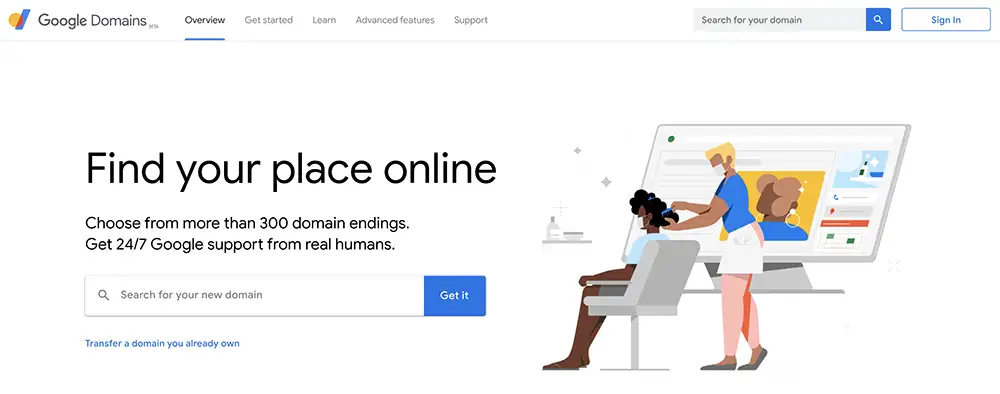
    Now you are finally ready to register for a domain name. Use a reputable domain service provider, such as Google Domains.

    How to Register a Domain Name with Google Domains

    A reputable domain registrar like Google Domains is known for its top-notch service, speed, security, and customer support.

    How to Buy a Domain Name with Google Domains in 3 Steps

    Step 1:

    Register your domain name with Google Domains.

    Step 2:

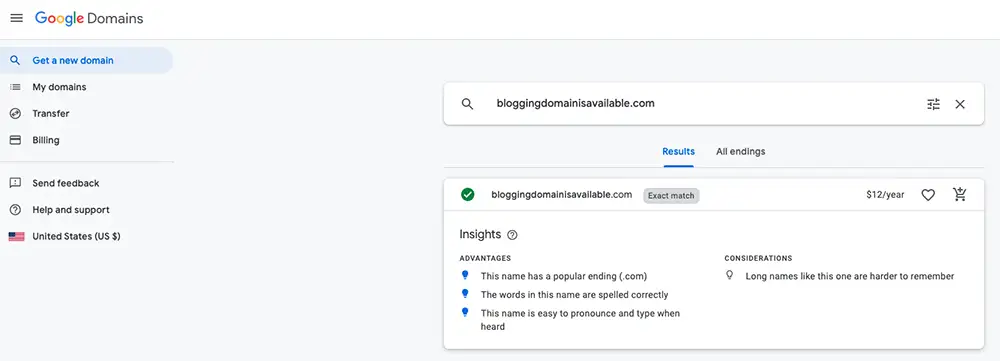
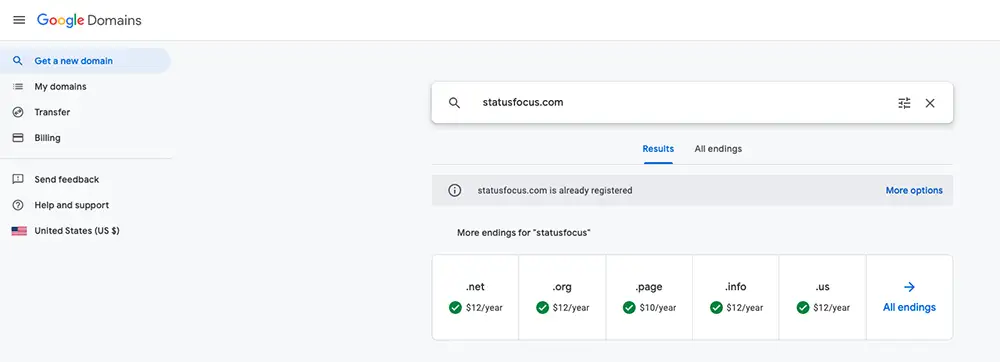
    Check the availability of the domain name you wish to buy.

    You should receive one of the two following results:

    • Domain is available for purchase.
    • Domain has already been registered.

    Domain is available for purchase.
    Domain has already been registered.
    Step 3:

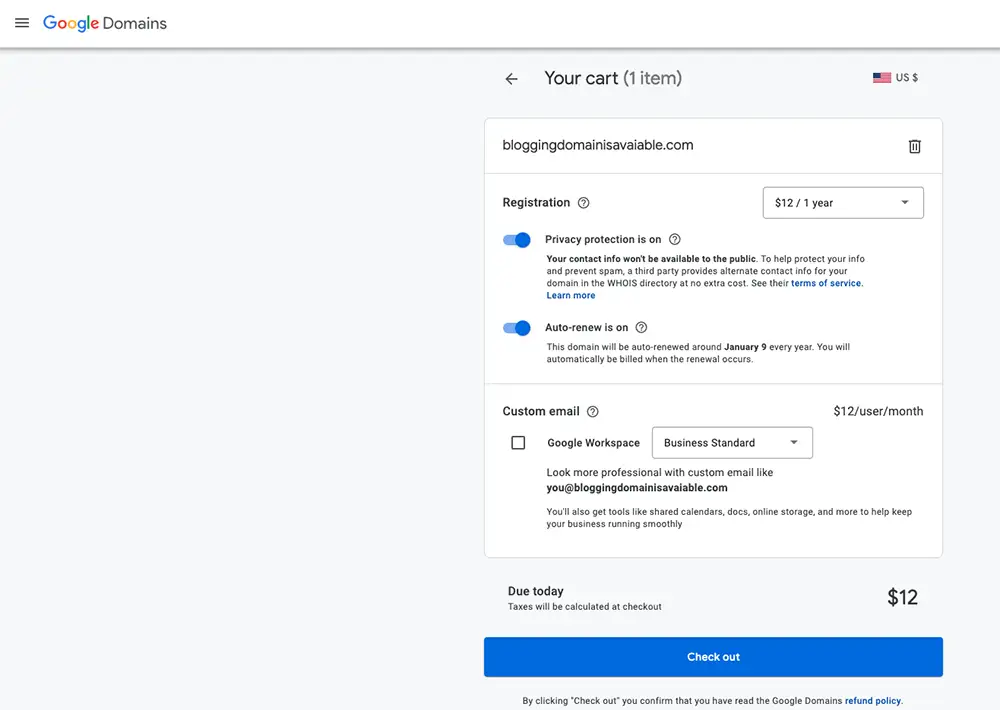
    When you find the domain name you are happy with, and it is available, proceed to checkout.
    Google Domains Offer Free Privacy Protection When You Buy a Domain Name

    The added benefit of Google Domains is that privacy protection is free when you buy a domain name. Google Domains privacy protection guards your personal information against websites like ICANN. This service usually costs extra from other domain registrars.

    Congratulations on Buying a Domain Name!

    Congratulations! You own the domain name of your new website.

    Next Steps to Set Up a Website After Buying a Domain Name

    The following resources are critical to completing your website setup.

    Learn how to choose the best web hosting provider, set up domain with web hosting, and select the right content management system (CMS).

    [elementor-template id=”1071″]

    How to Buy a Domain Name How to Start a Website
    Share. Facebook Twitter Pinterest LinkedIn Email Copy Link
    Previous ArticleHow to Start a Website in 7 Weeks Goal Checklist
    Next Article How to Choose a Fully Managed Web Hosting Provider for a Website and Point Domain DNS with Managed Web Hosting
    Amppfy

    Amppfy helps everyday people gain financial clarity with practical how-tos and easy-to-use tools for personal finance, budgeting, saving, and smarter money decisions.

    More Like This

    How to Leverage Web Design for the Best Website User Experience and Maximize Website Visitor Engagement

    By AmppfyOctober 30, 2024

    How to Start a Website with WordPress CMS (Content Management System)

    By AmppfyOctober 30, 2024

    How to Choose and Install WordPress Templates to Start a Website

    By AmppfyOctober 30, 2024
    Helpful Resources

    How to Leverage Web Design for the Best Website User Experience and Maximize Website Visitor Engagement

    October 30, 2024

    How to Start a Website with WordPress CMS (Content Management System)

    October 30, 2024

    How to Choose and Install WordPress Templates to Start a Website

    October 30, 2024

    The Complete Checklist for Choosing the Best Fully Managed Web Hosting Service

    October 30, 2024

    Financial Clarity. Everyday Confidence.

    Facebook X (Twitter) YouTube LinkedIn
    Calculators

    Emergency Fund Calculator

    Compound Interest Calculator

    Net Worth Calculator

    Mortgage Calculator

    Cost of Living Calculator

    Savings Goal Calculator

    Monthly Budget Calculator

    Latest Resources

    Secured Credit Cards and Credit-Builder Loans: When to Use Them

    December 28, 2025

    Best Practices for Responsible Credit Card Use (and Rewards Tips)

    December 26, 2025

    Dispute a Credit Report Item: A Step-by-Step Template That Works

    December 25, 2025

    How Credit Scores Are Calculated — What You Can Actually Improve Fast

    December 24, 2025
    About & Legal

    About Amppfy

    EULA

    Terms of Use

    Acceptable Use Policy

    Privacy Policy

    Cookie Policy

    Disclaimer

    Do Not Sell or Share My Personal Information

    Acceptable Use Policy

    Disclaimer: Amppfy is committed to keeping its information transparent, accurate, and up-to-date. The information on Amppfy is based on our best knowledge and the most objective research and analysis. This information may differ from what you find on the specific product or service provider’s website. All information, content, software, tools, products, or services on Amppfy are presented without warranty or guarantee. Please review the specific provider’s terms and conditions when evaluating products or services. By accessing Amppfy or using our AI generator tools, you acknowledge that you have read, understood, and agreed to our EULA, Terms of Use, Acceptable Use Policy, Privacy Policy, Cookie Policy, and Disclaimer. Amppfy.com uses cookies. For more information, visit Amppfy’s Cookie Policy. Amppfy may be compensated through third-party advertisers and affiliates. For more information, visit Amppfy’s Disclaimer.

    Copyright© 2025 Amppfy | All Rights Reserved

    Type above and press Enter to search. Press Esc to cancel.